Biennial Wormwood
See also Artemisia (genus)
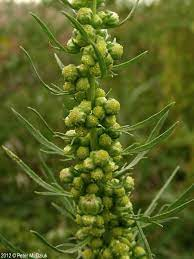
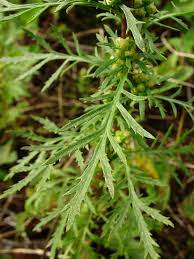
Biennial Wormwood, scientifically known as Artemisia biennis, is a plant species belonging to the Asteraceae family. This plant is notable for its biennial life cycle, meaning it completes its biological life cycle in two years. It is native to North America but has spread to various parts of the world, often considered a weed in many regions.
Identification and Description
Physical Characteristics
- Height: Biennial Wormwood can grow up to 1.5 meters (approximately 5 feet) tall.
- Leaves: The leaves are deeply lobed and can be up to 15 cm (6 inches) long. They are arranged alternately along the stem.
- Stems: The stems are erect, often branched, and can be either green or reddish.
- Flowers: The plant produces small, inconspicuous greenish-yellow flowers that are clustered in dense, spike-like inflorescences.
- Seeds: The seeds are tiny, brown, and can be dispersed by wind, water, or animals.
Life Cycle
Biennial Wormwood follows a two-year life cycle:
- First Year: The plant forms a rosette of leaves close to the ground.
- Second Year: It bolts, producing a tall flowering stem, sets seed, and then dies.
Habitat and Distribution
Native Range
Biennial Wormwood is native to North America, particularly found in the United States and Canada. It thrives in a variety of habitats, including:
- Disturbed areas
- Roadsides
- Fields
- Riverbanks
Invasive Potential
While native to North America, Biennial Wormwood has spread to other continents, including Europe and Asia. It is often considered an invasive species in these regions due to its ability to outcompete native vegetation and its prolific seed production.
Ecological Impact
Benefits
- Soil Stabilization: In some cases, Biennial Wormwood can help stabilize soil in disturbed areas, preventing erosion.
- Habitat: It can provide habitat and food for certain insects and wildlife.
Drawbacks
- Competition: It can outcompete native plants, reducing biodiversity.
- Agricultural Impact: In agricultural settings, it can become a troublesome weed, competing with crops for resources.
Control and Management
Mechanical Control
- Hand Pulling: Effective for small infestations, especially when the soil is moist.
- Mowing: Can reduce seed production if done before the plant flowers.
Chemical Control
- Herbicides: Various herbicides can be effective, but it is essential to follow local guidelines and regulations.
Biological Control
Currently, there are no widely used biological control agents for Biennial Wormwood. Research is ongoing to find effective and environmentally friendly solutions.
Uses and Cultural Significance
Traditional Uses
- Medicinal: Some Native American tribes have used Biennial Wormwood for its medicinal properties, including treatments for digestive issues and as a poultice for wounds.
- Culinary: While not commonly used in modern cuisine, some parts of the plant have been used historically in traditional recipes.
Modern Uses
- Research: Biennial Wormwood is sometimes studied for its potential medicinal properties and its role in ecosystems.
- Gardening: Occasionally used in wildflower gardens for its unique appearance and ecological benefits.
A mechanistic approach to anti-nociceptive potential of Artemisia macrocephala Jacquem