Clustered Mountain Mint
Constituents
Pycnanthemum muticum, commonly known as mountain mint, is a captivating plant species that belongs to the mint family, Lamiaceae. This native North American perennial herb is renowned for its aromatic foliage, attractive flowers, and various medicinal properties.
Description and Habitat
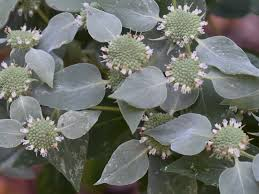
Pycnanthemum muticum typically grows to a height of 2 to 3 feet, with square stems that are characteristic of the mint family. The lance-shaped leaves are a vibrant green color and emit a delightful minty fragrance when crushed. The plant blooms from mid to late summer, producing clusters of small, white or pale pink flowers that attract pollinators such as bees and butterflies.
This species is commonly found in open woodlands, meadows, and along stream banks in eastern and central North America. It thrives in well-drained soils and is often spotted in sunny to partially shaded locations. Pycnanthemum muticum is known for its adaptability and ability to grow in a variety of soil types, making it a versatile and resilient plant in natural ecosystems.
Ecological Importance
Mountain mint plays a crucial role in supporting local ecosystems and wildlife. The flowers of Pycnanthemum muticum provide a vital food source for pollinators, including bees, butterflies, and other beneficial insects. By attracting these pollinators, the plant contributes to the pollination of other nearby plant species, promoting biodiversity and ecosystem health.
Additionally, mountain mint is known to repel certain insect pests due to its strong minty scent, making it a natural pest control agent in gardens and landscapes. This ecological benefit highlights the plant's role in promoting a balanced and sustainable environment.
Medicinal and Culinary Uses
Beyond its ecological significance, Pycnanthemum muticum has a rich history of medicinal and culinary uses. Native American tribes utilized various parts of the plant for medicinal purposes, including treating digestive issues, colds, and fevers. The leaves and flowers of mountain mint were often brewed into teas or used topically as poultices to alleviate discomfort and promote healing.
In modern herbal medicine, Pycnanthemum muticum is valued for its anti-inflammatory, antispasmodic, and diaphoretic properties. The essential oils present in the plant are believed to have therapeutic benefits for respiratory conditions, digestive disorders, and muscle tension. Mountain mint extracts are commonly used in herbal remedies, aromatherapy, and natural skincare products.
Culinarily, mountain mint can be used to add a refreshing and minty flavor to various dishes and beverages. The leaves can be infused into teas, cocktails, or used as a garnish in salads and desserts. The aromatic qualities of Pycnanthemum muticum make it a versatile herb for enhancing the flavor profile of culinary creations.
Cultivation and Garden Use
For those interested in cultivating Pycnanthemum muticum in their gardens or landscapes, this plant offers numerous benefits and aesthetic appeal. Mountain mint is relatively low-maintenance and easy to grow, making it a suitable choice for beginner gardeners. It thrives in full sun to partial shade and well-drained soil, requiring minimal watering once established.
In garden settings, Pycnanthemum muticum can be planted as a border plant, in herb gardens, or as part of a pollinator-friendly landscape design. The plant's attractive foliage and flowers make it a visually appealing addition to any garden, while its aromatic qualities provide a sensory delight for garden visitors.