NF-κB
NEMO Deficiency and Other Disorders of NF-kB Regulation
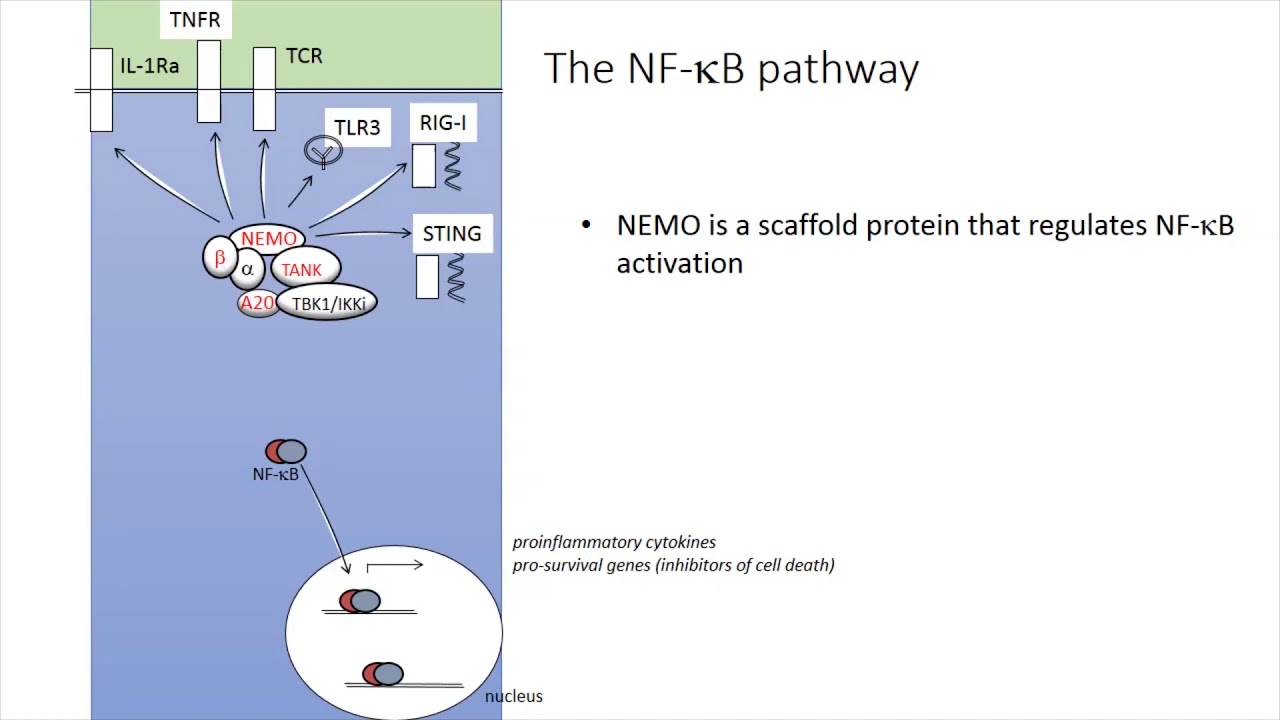
This is a pro-inflammatory gene within the cells.
- A protein complex that controls the transcription of DNA
- Found in all cell types and is involved in cellular responses to stimuli such as stress, cytokines, free radicals and antigens
- Controls the expression of genes encoding the pro-inflammatory cytokines, chemokines, adhesion molecules, inducible enzymes (COX-2 and iNOS) and growth factors
- Chronically elevated Nf-kB is linked to cancer, inflammatory conditions and autoimmunity
- When NF-kB is activated by continuous exposure to 5G it causes an inflammatory response. When you have a chronic inflammatory response in the body,you will get sick.
Understanding NF-kB: A Key Player in Cellular Processes
NF-kB, or Nuclear Factor kappa-light-chain-enhancer of activated B cells, is a protein complex that plays a crucial role in regulating the immune response to infection. It is a transcription factor that is involved in cellular responses to stimuli such as stress, cytokines, free radicals, ultraviolet irradiation, oxidized LDL, and bacterial or viral antigens. Given its central role in immune function, NF-kB is a subject of extensive research, particularly in the context of inflammation, cancer, and autoimmune diseases.
Structure and Activation
NF-kB is not a single protein but a family of transcription factors that share a Rel homology domain (RHD), which is responsible for DNA binding and dimerization. The most common form of NF-kB is a heterodimer composed of the p50 and p65 (RelA) subunits. In its inactive state, NF-kB is sequestered in the cytoplasm by inhibitor proteins known as IκBs (Inhibitors of kappa B).
Activation of NF-kB occurs through two main pathways: the canonical and non-canonical pathways.
- Canonical Pathway: This is the most well-studied pathway and is typically activated by pro-inflammatory cytokines such as TNF-α and IL-1, as well as microbial products like lipopolysaccharides (LPS). Activation involves the phosphorylation and subsequent degradation of IκB proteins, freeing NF-kB to translocate to the nucleus and initiate transcription of target genes.
- Non-Canonical Pathway: This pathway is activated by a subset of TNF receptor family members and involves the processing of the p100 subunit to p52, which then forms a dimer with RelB. This pathway is important for lymphoid organ development and adaptive immune responses.
Functions of NF-kB
NF-kB regulates the expression of a wide array of genes involved in various cellular processes:
- Immune Response: NF-kB controls the expression of cytokines, chemokines, and adhesion molecules, which are essential for the immune response. It plays a pivotal role in the development and function of immune cells, including B and T lymphocytes.
- Inflammation: As a key regulator of inflammatory responses, NF-kB is involved in the transcription of pro-inflammatory cytokines such as IL-6, IL-8, and TNF-α. Dysregulation of NF-kB activity is associated with chronic inflammatory diseases like rheumatoid arthritis and inflammatory bowel disease.
- Cell Survival and Proliferation: NF-kB promotes cell survival by inducing the expression of anti-apoptotic genes. It is also involved in cell proliferation, making it a critical factor in cancer development and progression. Aberrant NF-kB activation is linked to various cancers, including lymphoma, breast cancer, and colorectal cancer.
- Stress Responses: NF-kB is activated in response to various stress signals, including oxidative stress and DNA damage, helping cells to adapt and survive under adverse conditions.
NF-kB in Disease
Given its role in regulating immune and inflammatory responses, NF-kB is implicated in a variety of diseases:
- Cancer: Chronic activation of NF-kB is a hallmark of many cancers. It contributes to tumorigenesis by promoting cell proliferation, inhibiting apoptosis, and facilitating metastasis. Targeting NF-kB signaling pathways is a potential therapeutic strategy in cancer treatment.
- Autoimmune Diseases: NF-kB is involved in the pathogenesis of autoimmune diseases such as multiple sclerosis and lupus, where it contributes to the inappropriate activation of immune cells.
- Chronic Inflammatory Diseases: Conditions like asthma, atherosclerosis, and diabetes have been linked to persistent NF-kB activation, which drives chronic inflammation and tissue damage.
Therapeutic Targeting of NF-kB
Due to its involvement in numerous diseases, NF-kB is a target for therapeutic intervention. Strategies to modulate NF-kB activity include:
- Inhibitors of IκB Kinase (IKK): These prevent the phosphorylation and degradation of IκB, thereby inhibiting NF-kB activation.
- Antioxidants: Since oxidative stress can activate NF-kB, antioxidants may help in reducing NF-kB activity.
- Natural Compounds: Curcumin, resveratrol, and other natural compounds have been shown to inhibit NF-kB and are being explored for their therapeutic potential.
In COVID-19
(see Endothelial Dysfunction in COVID-19)
Astaxanthin as a modulator of Nrf2, NF-κB, and their crosstalk.
Alternations of NF-κB signaling by natural compounds in muscle-derived cancers.