Areca nut (Betel Nut)
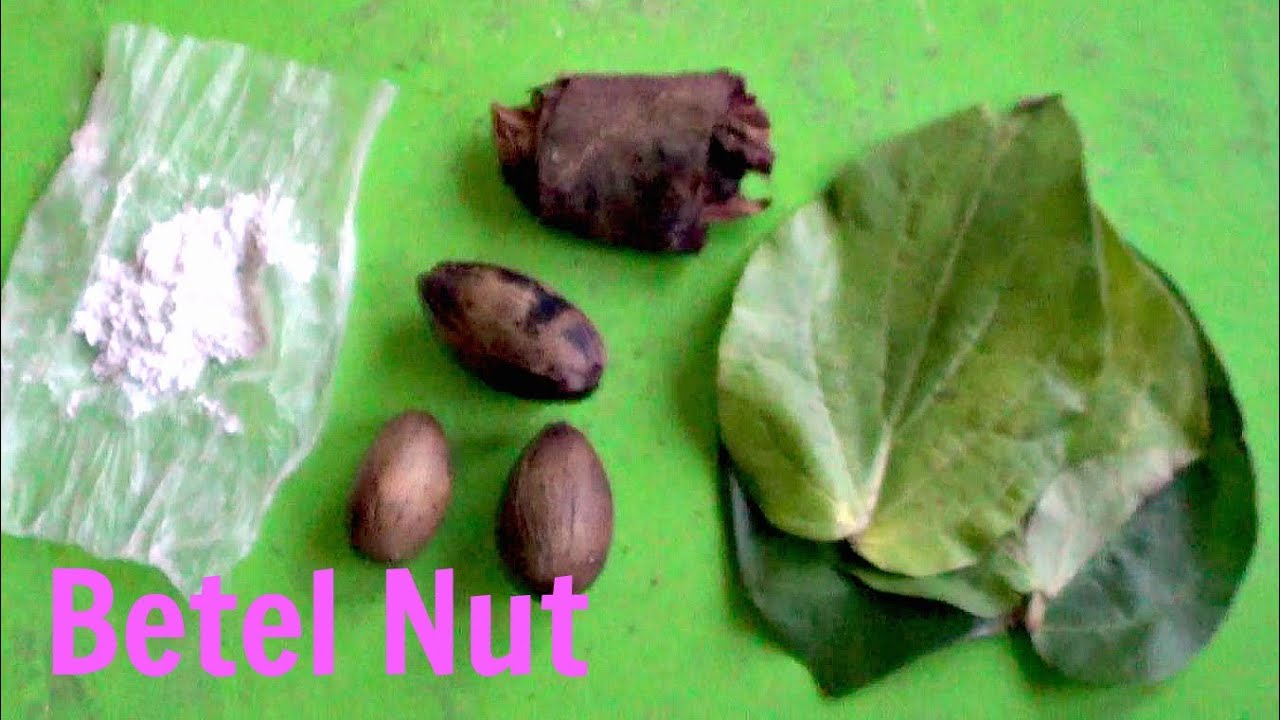
Researcher finds key clues about “betel nut” addiction that plagues millions worldwide:
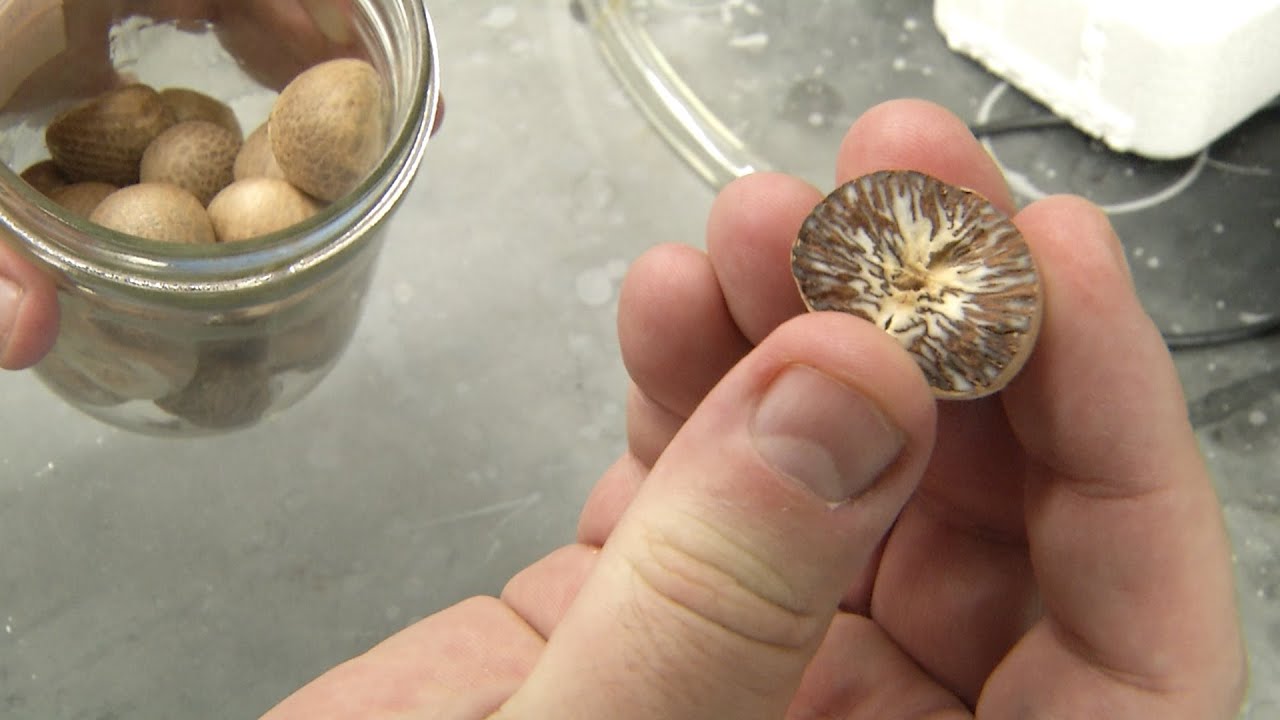
The world’s most addictive drug:

Constituents
Pyridine alkaloids: arecoline, guvacoline (ester alkaloids), as well asarecaidine, guvacine
Tannins: catechin type
Effects
The nut acts on the parasympathetic nervous system with an effect that is more muscarinic than nicotinic. It stimulates secretion in the salivary, ronchial and intestinal glands and causes tremors and bradycardia. Chewing mouthfuls of betel leads to a saponification of the ester alkaloids, and the resulting arecaidine produces euphoria. The drug also causes cramps in the muscles of intestinal parasites and stimulates the vagus nerve. Central nervous system stimulation has been observed in mice.
Uses
(Unproven) Betel nut is no longer frequently prescribed in human medicine. Nevertheless, because of their intoxicating qualities, the nuts are chewed as a recreational drug by an estimated 450 million people. Fresh slices of the seed are part of the "betel titbit" used in eastern Asia. (Arecoline is converted in the central nervous system to the stimulant arecaidine through chewing). That practice is being discouraged because of its link with some forms of oral cancer. In veterinary medicine, the drug is used as avermifugefortape worms in cattle and dogs, as well as forintestinal colic in horses.
Chinese Medicine: Uses include chronic hepatitis, edema, oliguria, diarrhea and digestive problems.
Indian Medicine: The juice of young seeds is used as alaxative in Indian medicine. A decoction of the root is used for cracked lips.
Precautions and Adverse Reactions
Due to its arecoline content, the nut appears parasympathomimetic. It leads to increased salivation, in high doses to bradycardia, tremor, reflex excitability, spasms, and eventual paralysis. Long term use of the drug as a stimulant can result in malignant tumors of the oral cavity through formation of nitrosamines. When the nuts are chewed, the mouth and lips are stained red, as are the feces.
Overdosage
The toxic dose for humans is 8 to 10g. Atropine is given as the antidote. Chewing the nut leads to a saponification of the ester alkaloids. The resulting arecaidine produces euphoria.
Dosage
In the past it was used in chewing balm for gum disease and as avermifuge. Today, it is used as a vermifuge only in veterinary medicine for house pets. Therapeutic use is insignificant