Streptococcus suis
Streptococcus suis:* An Emerging Human Pathogen *Streptococcus suis infection is acquired through exposure to contaminated pigs or pig meat. Over the past few years, the number of reported S. suis infections in humans has increased significantly, with most cases originating in Southeast Asia, where there is a high density of pigs. Increased awareness, improved diagnostics, and the occurrence of outbreaks have contributed to this increase. Meningitis and sepsis are the most common clinical manifestations of S. suis infection; hearing loss is a frequent complication. In this article, we provide an overview of the emergence and clinical manifestations of S. suis infection.
Clinical Features:
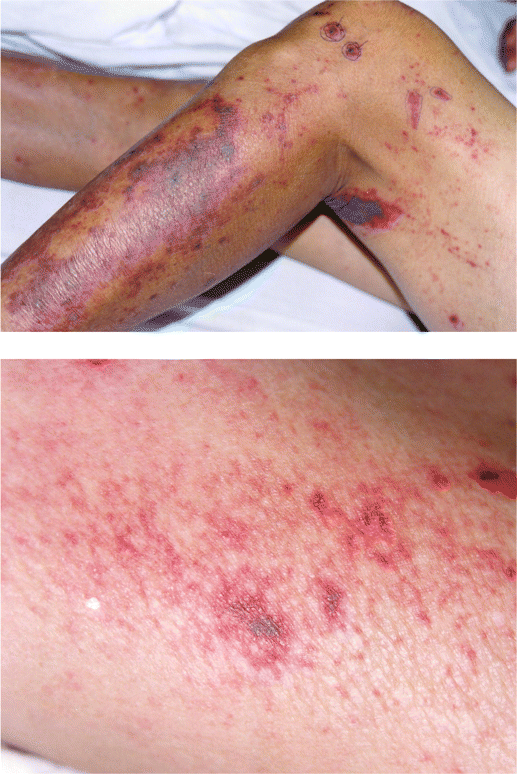
S. suis causes a systemic infection in humans that affects several organ systems; meningitis is the most common clinical manifestation [4, 13, 17]. The presenting features of S. suis meningitis are generally similar to those of other bacterial pyogenic meningitis and include headache, fever, vomiting, and meningeal signs. The duration of illness before hospital admission was 2-5 days [16, 25]. One striking feature is subjective hearing loss, which may be reported by up to one-half of patients at presentation or a few days later [9]. Six percent to 31% of patients also have skin findings, including petechiae, purpura, and ecchymoses, all of which can be extensive, and hemorrhagic bullae and skin necrosis (features of purpura fulminans) (figure 2). Gangrene of the fingers and toes may also be seen in a minority of patients at a later stage in the disease [16]. Less common manifestations of S. suis infection include acute and subacute endocarditis [26-28], acute pyogenic arthritis [28], endophthalmitis and uveitis [5, 9], spondylodiscitis [29], brain stem ophthalmoplegia [30], and epidural abscess [31]. Of importance, infective endocarditis was reported to be more common than meningitis in Chiang Mai, Thailand
Studies
- Paeoniflorin combined with norfloxacin ameliorates drug-resistant Streptococcus suis infection.
- Investigation of the inhibitory effect and mechanism of epigallocatechin-3-gallate against Streptococcus suis sortase A.
- Amentoflavone ameliorates Streptococcus suis-induced infection in vitro and in vivo
- Fisetin Lowers Streptococcus suis serotype 2 Pathogenicity in Mice by Inhibiting the Hemolytic Activity of Suilysin
- Inhibitory effect of piceatannol on Streptococcus suis infection both in vitro and in vivo
- Antibacterial mechanism of rhodomyrtone involves the disruption of nucleoid segregation checkpoint in Streptococcus suis.
- Acacetin attenuates Streptococcus suis virulence.
- Gallic acid restores the sulfonamide sensitivity of multidrug-resistant Streptococcus suis.