Blue Elder
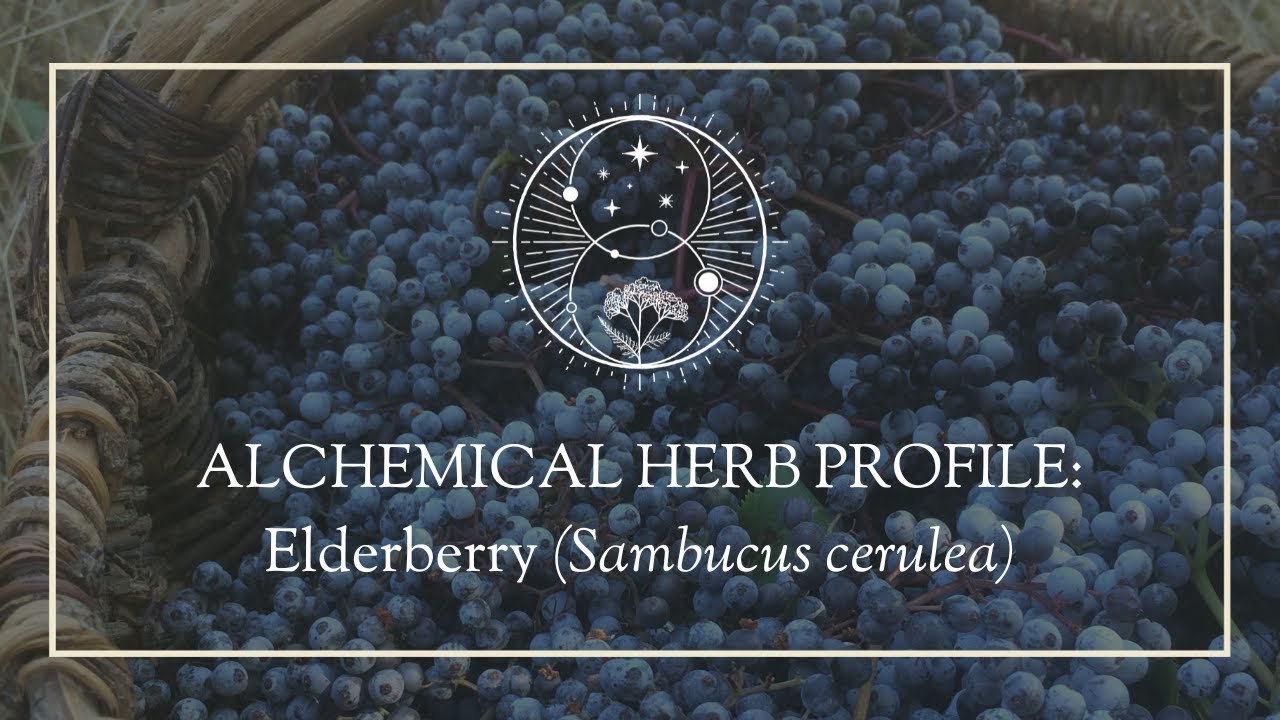

The Blue Elder, scientifically known as Sambucus cerulea, is a deciduous shrub or small tree that belongs to the Adoxaceae family. This plant is native to western North America, ranging from British Columbia in Canada to California and New Mexico in the United States. It is commonly found in a variety of habitats, including woodlands, riparian zones, and open areas.
Physical Characteristics
Size and Shape
Blue Elder typically grows to a height of 10 to 30 feet, although it can occasionally reach up to 50 feet under optimal conditions. The plant has a multi-stemmed growth habit, often forming a dense thicket. Its branches are characterized by a smooth, grayish-brown bark that becomes furrowed with age.
Leaves
The leaves of Blue Elder are pinnately compound, usually consisting of 5 to 9 leaflets. Each leaflet is lanceolate to ovate in shape, with serrated margins. The leaves are a vibrant green color, turning yellow in the fall before they drop.
Flowers
Blue Elder produces large, flat-topped clusters of small, creamy-white flowers. These clusters, known as cymes, can be up to 8 inches in diameter. The flowers are highly fragrant and attract a variety of pollinators, including bees, butterflies, and other insects.
Fruits
Following the flowering period, Blue Elder produces clusters of small, blue-black berries. These berries are covered with a whitish, powdery bloom, giving them a distinctive appearance. The fruits are edible and are often used in making jams, jellies, wines, and syrups.
Ecological Importance
Wildlife Habitat
Blue Elder serves as an important food source for various wildlife species. Birds, such as robins, waxwings, and grosbeaks, are particularly fond of the berries. Mammals, including bears and deer, also consume the fruits. Additionally, the dense foliage provides excellent cover and nesting sites for birds and small mammals.
Pollinators
The flowers of Blue Elder are a valuable nectar source for pollinators. Bees, butterflies, and other insects are attracted to the blooms, aiding in the plant's reproduction through pollination.
Soil Stabilization
The extensive root system of Blue Elder helps stabilize soil, making it an excellent choice for erosion control in riparian zones and other vulnerable areas. The plant's ability to thrive in a variety of soil types further enhances its utility in habitat restoration projects.
Cultivation and Uses
Growing Conditions
Blue Elder is relatively easy to grow and is adaptable to a wide range of conditions. It prefers full sun to partial shade and can tolerate various soil types, including sandy, loamy, and clay soils. The plant is drought-tolerant once established but benefits from occasional watering during prolonged dry periods.
Propagation
Propagation of Blue Elder can be achieved through seeds, cuttings, or division. Seeds should be stratified for several months before planting to improve germination rates. Softwood cuttings taken in the spring or early summer can also root successfully with proper care.
Uses in Landscaping
Due to its attractive flowers, berries, and foliage, Blue Elder is a popular choice for native plant gardens and wildlife-friendly landscapes. It can be used as a specimen plant, in hedgerows, or as part of a mixed shrub border. Its ability to attract pollinators and provide food and shelter for wildlife makes it a valuable addition to any garden.
Medicinal and Culinary Uses
Historically, various parts of the Blue Elder plant have been used for medicinal purposes by indigenous peoples. The berries are rich in vitamins A and C and have been used to treat colds, flu, and other ailments. However, it is important to note that the raw berries, leaves, and stems contain compounds that can be toxic if consumed in large quantities. Proper preparation, such as cooking or drying, is necessary to render the berries safe for consumption.
Conservation and Threats
Conservation Status
Blue Elder is not currently listed as a threatened or endangered species. However, habitat loss and degradation due to urbanization, agriculture, and other human activities can impact local populations. Conservation efforts focused on habitat preservation and restoration are essential to ensure the continued survival of this valuable plant.
Threats
In addition to habitat loss, Blue Elder faces threats from invasive species, climate change, and disease. Invasive plants can outcompete Blue Elder for resources, while changing climate conditions may alter the plant's suitable habitat range. Monitoring and management efforts are necessary to mitigate these threats and support healthy populations of Blue Elder.