Aniridia
Return to Eye/Vision Menu
Aniridia is the absence of the iris, usually involving both eyes. It can be congenital or caused by a penetrant injury.
Aniridia: More Than Meets the Eye
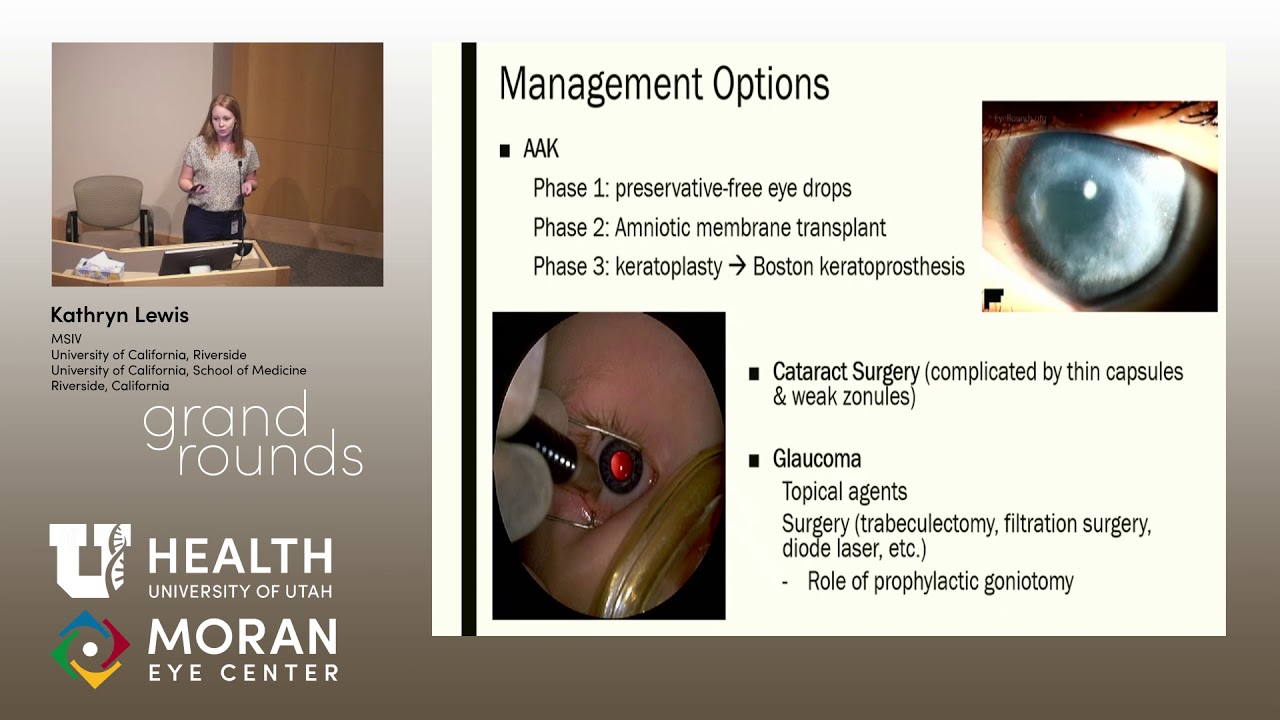
A pharmacological approach to reversing aniridia

Aniridia is a rare genetic disorder characterized by the incomplete formation of the iris, the colored part of the eye. This condition can affect one or both eyes and is often associated with other ocular and systemic abnormalities. The term "aniridia" literally means "without iris," but the condition encompasses a range of developmental issues beyond just the iris.
Causes and Genetics
Aniridia is primarily caused by mutations in the PAX6 gene, which plays a crucial role in eye development. The PAX6 gene is located on chromosome 11, and its proper function is essential for the formation of various eye structures. Mutations in this gene can lead to a spectrum of eye abnormalities, with aniridia being one of the most severe manifestations.
Inheritance Patterns
Aniridia is typically inherited in an autosomal dominant pattern, meaning that a single copy of the mutated gene from an affected parent can cause the disorder. However, in some cases, aniridia can occur sporadically due to new mutations in the PAX6 gene.
Clinical Features
The clinical presentation of aniridia can vary widely among individuals. Some of the common features include:
- Iris Hypoplasia: The most noticeable feature of aniridia is the underdevelopment or absence of the iris, leading to a large, dark pupil and reduced eye color.
- Vision Impairment: Individuals with aniridia often experience significant vision problems, including reduced visual acuity and sensitivity to light (photophobia).
- Nystagmus: Involuntary eye movements, known as nystagmus, are common in individuals with aniridia and can further impair vision.
- Glaucoma: Increased intraocular pressure can develop, leading to glaucoma, which can cause further vision loss if not managed properly.
- Cataracts: Clouding of the lens, or cataracts, may occur, contributing to vision impairment.
- Corneal Issues: The cornea may become opaque or develop keratopathy, a condition that affects the corneal surface.
Associated Conditions
Aniridia is often associated with other systemic conditions, which can complicate diagnosis and management. Some of these include:
- WAGR Syndrome: This syndrome includes Wilms' tumor (a type of kidney cancer), Aniridia, Genitourinary abnormalities, and Range of developmental delays. It is caused by deletions on chromosome 11 that affect the PAX6 and WT1 genes.
- Gillespie Syndrome: A rare condition characterized by aniridia, cerebellar ataxia, and intellectual disability.
Diagnosis
Diagnosing aniridia involves a comprehensive eye examination by an ophthalmologist. Genetic testing can confirm the presence of PAX6 mutations and help differentiate aniridia from other ocular conditions. Early diagnosis is crucial for managing the condition and preventing complications.
Management and Treatment
While there is no cure for aniridia, various treatments can help manage symptoms and improve quality of life. These include:
- Vision Correction: Glasses or contact lenses can help correct refractive errors and improve visual acuity.
- Sunglasses: Tinted lenses can reduce photophobia and protect the eyes from UV light.
- Glaucoma Management: Regular monitoring and treatment with medications or surgery can help control intraocular pressure.
- Cataract Surgery: If cataracts develop, surgical removal may be necessary to restore vision.
- Corneal Treatment: Lubricating eye drops and other therapies can help manage corneal surface issues.
Living with Aniridia
Living with aniridia requires ongoing medical care and support. Individuals with aniridia often benefit from:
- Regular Eye Exams: Frequent check-ups with an ophthalmologist are essential to monitor eye health and address any emerging issues.
- Educational Support: Children with aniridia may require special educational resources to accommodate vision impairments.
- Support Groups: Connecting with others who have aniridia can provide emotional support and practical advice.
Research and Future Directions
Research into aniridia is ongoing, with scientists exploring potential therapies that target the underlying genetic causes. Gene therapy and stem cell research hold promise for future treatments that could address the root causes of aniridia and improve outcomes for affected individuals.