Mulch
Video
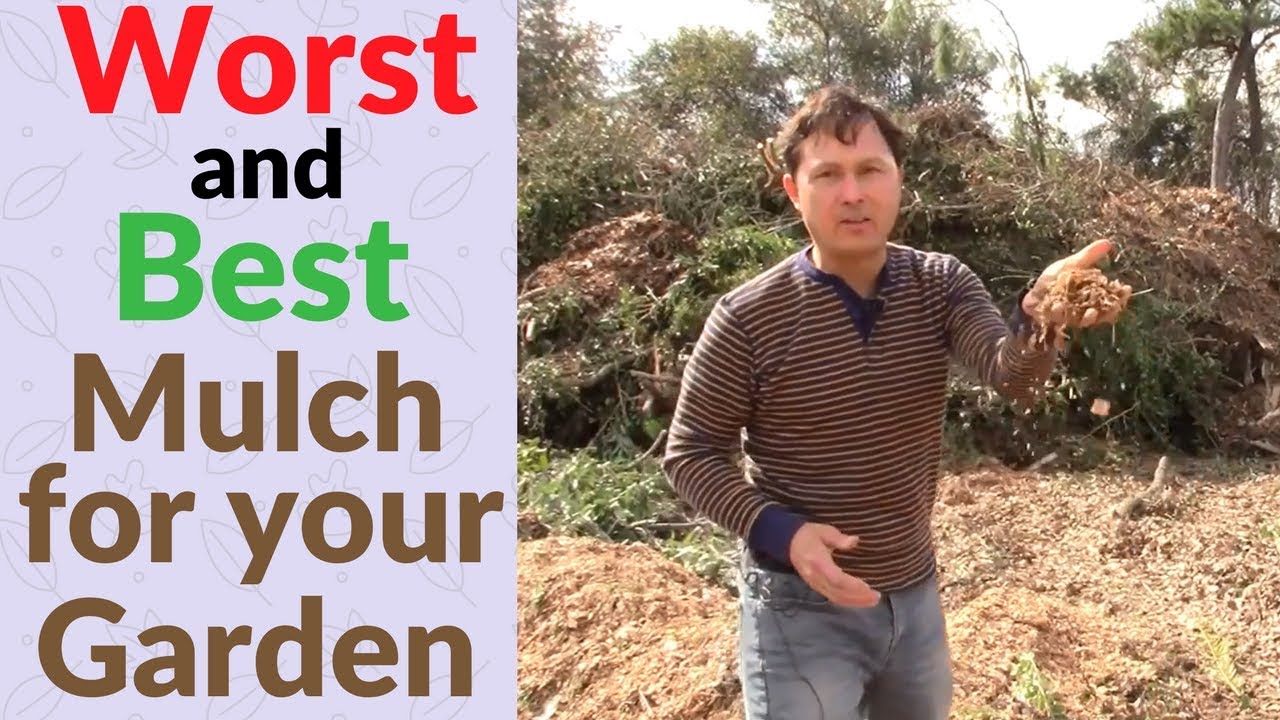
Worst and Best Wood Chip Mulch for Your Vegetable Garden
Understanding Mulch: A Gardener's Best Friend
Mulch is an essential component in gardening and landscaping, offering numerous benefits that enhance plant health and garden aesthetics. It is a layer of material applied to the surface of the soil, serving various purposes from moisture retention to weed suppression.
Types of Mulch
Mulch can be broadly categorized into organic and inorganic types, each with distinct characteristics and uses.
Organic Mulch
Organic mulches are derived from natural materials and decompose over time, enriching the soil with nutrients. Common types include:
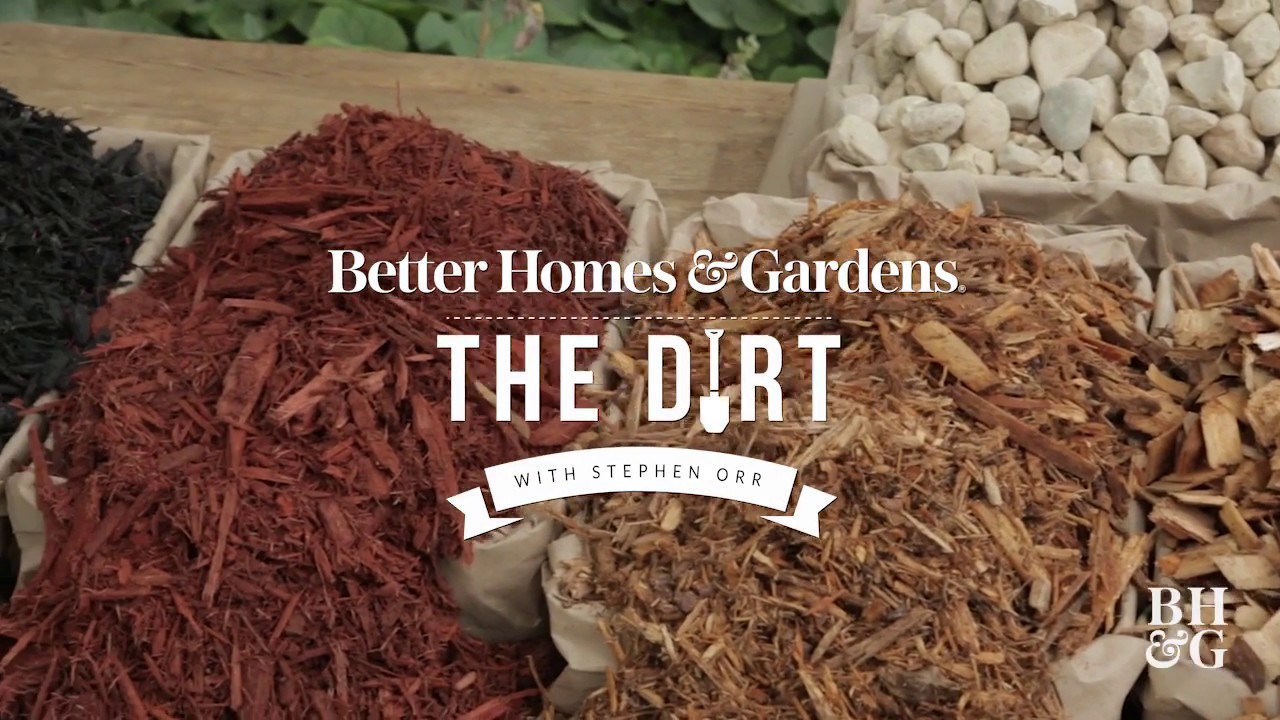
- Bark Mulch: Made from tree bark, it is excellent for decorative purposes and provides good insulation for plant roots.
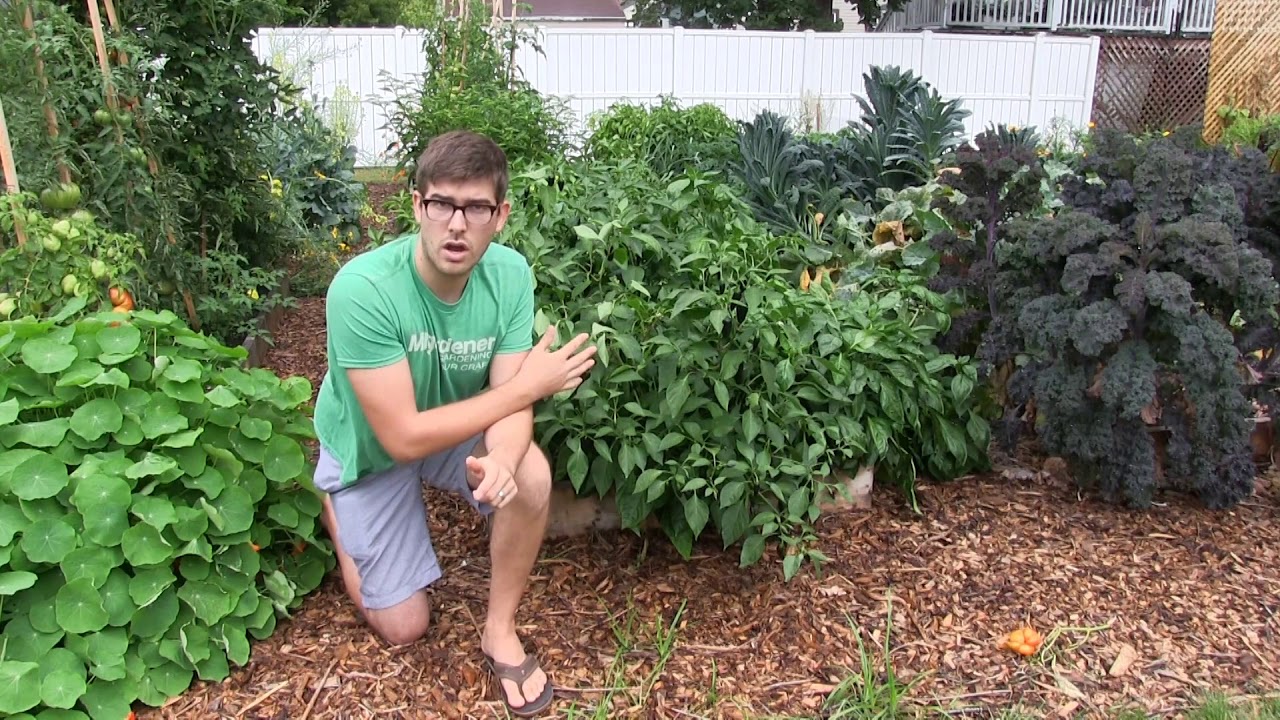
- Wood Chips: These are larger than bark mulch and decompose slowly, making them ideal for pathways and around trees.
- Straw: Often used in vegetable gardens, straw is effective in retaining moisture and preventing soil erosion.
- Grass Clippings: A readily available option, grass clippings add nitrogen to the soil as they decompose.
- Leaf Mold: Decomposed leaves create a rich, dark mulch that improves soil structure and fertility.
Inorganic Mulch
Inorganic mulches do not decompose and are often used for their durability and aesthetic appeal. Examples include:
- Gravel and Stone: These materials are ideal for pathways and areas where drainage is a concern.
- Plastic Sheeting: Used primarily in agriculture, plastic mulch helps in warming the soil and controlling weeds.
- Rubber Mulch: Made from recycled tires, it is long-lasting and often used in playgrounds and landscapes.
Benefits of Mulch
Mulch offers a multitude of benefits that contribute to a healthy and thriving garden:
- Moisture Retention: Mulch reduces evaporation, helping the soil retain moisture and reducing the need for frequent watering.
- Weed Suppression: By blocking sunlight, mulch inhibits the growth of weeds, minimizing competition for nutrients.
- Temperature Regulation: Mulch acts as an insulator, keeping the soil cooler in summer and warmer in winter.
- Soil Improvement: Organic mulches decompose over time, adding organic matter and nutrients to the soil.
- Erosion Control: Mulch protects the soil from erosion caused by wind and rain.
- Aesthetic Appeal: Mulch enhances the visual appeal of a garden, providing a neat and uniform appearance.
Application Techniques
Proper application of mulch is crucial to maximize its benefits. Here are some tips for effective mulching:
- Depth: Apply mulch to a depth of 2-4 inches. Too little may not provide adequate coverage, while too much can suffocate plant roots.
- Distance from Plant Stems: Keep mulch a few inches away from plant stems and trunks to prevent rot and pest infestation.
- Timing: Apply mulch in late spring after the soil has warmed up, and replenish as needed throughout the growing season.
- Preparation: Before applying mulch, remove existing weeds and water the soil to ensure it is moist.
Considerations and Cautions
While mulch is beneficial, there are some considerations to keep in mind:
- Over-Mulching: Applying too much mulch can lead to waterlogged soil and root rot.
- Mulch Type: Choose the right type of mulch for your specific needs and plants. For example, avoid using grass clippings from lawns treated with herbicides.
- Pest Attraction: Some organic mulches can attract pests like termites and slugs. Monitor your garden and choose pest-resistant options if necessary.