Ceylon Raspberry / Mysore Raspberry

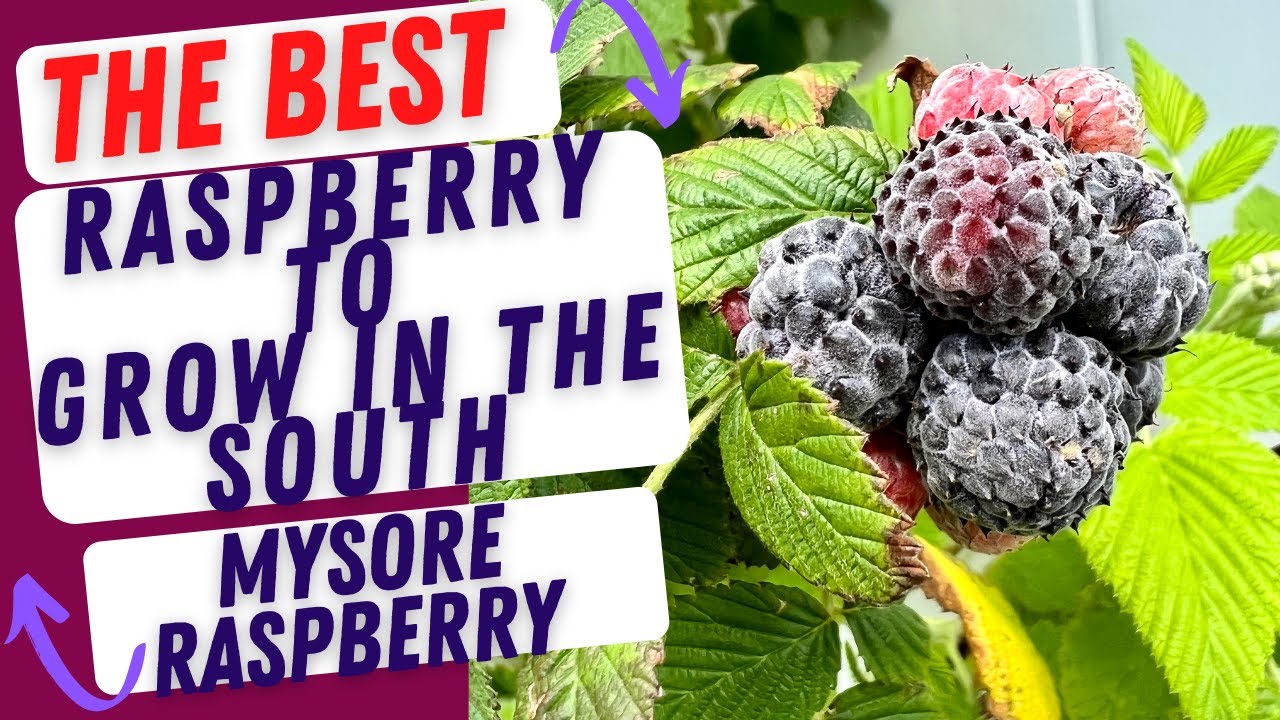
This perennial shrub is native to the Indian subcontinent and Southeast Asia but has spread to various parts of the world, including tropical and subtropical regions. Known for its delicious fruit and invasive nature, the Ceylon Raspberry has both beneficial and problematic aspects.
Botanical Characteristics
Appearance
The Ceylon Raspberry is a robust, woody shrub that can grow up to 3 meters in height. It features arching canes covered with fine, white hairs, giving the plant a distinctive silvery appearance. The leaves are compound, typically consisting of three to five leaflets with serrated edges. The undersides of the leaves are also covered in white hairs, contributing to the plant's overall silvery look.
Flowers and Fruits
The plant produces small, white to pale pink flowers that are about 1 cm in diameter. These flowers are usually found in clusters and bloom throughout the year, depending on the climate. The fruit of the Ceylon Raspberry is a small, aggregate berry that turns from red to dark purple or black when ripe. The berries are juicy and have a sweet-tart flavor, making them popular for consumption.
Ecological Impact
Invasive Nature
While the Ceylon Raspberry is valued for its fruit, it is also considered an invasive species in many regions. Its ability to spread rapidly and form dense thickets can outcompete native vegetation, leading to a loss of biodiversity. The plant's seeds are easily dispersed by birds and other animals, which contributes to its widespread distribution.
Habitat
The Ceylon Raspberry thrives in a variety of habitats, including forests, grasslands, and disturbed areas such as roadsides and abandoned fields. It prefers well-drained soils and can tolerate a range of environmental conditions, from full sun to partial shade.
Cultivation and Uses
Growing Conditions
For those interested in cultivating the Ceylon Raspberry, it is important to provide the right growing conditions. The plant prefers well-drained, fertile soil and a sunny location. It can be propagated through seeds, cuttings, or root division. Regular pruning is necessary to manage its growth and prevent it from becoming too invasive.
Culinary Uses
The berries of the Ceylon Raspberry are highly valued for their flavor and nutritional content. They can be eaten fresh or used in a variety of culinary applications, including:
- Jams and jellies
- Pies and desserts
- Smoothies and beverages
- Salads and sauces
Medicinal Uses
In traditional medicine, various parts of the Ceylon Raspberry plant have been used for their therapeutic properties. The leaves and roots are believed to have anti-inflammatory and antimicrobial effects. However, scientific research on the medicinal benefits of this plant is limited, and more studies are needed to validate these claims.
Management and Control
Preventive Measures
To prevent the spread of the Ceylon Raspberry, it is crucial to implement effective management strategies. This includes regular monitoring of the plant's growth and taking action to remove it from areas where it is not wanted. Public awareness campaigns can also help educate people about the potential risks associated with this invasive species.
Mechanical and Chemical Control
Mechanical control methods, such as cutting and uprooting, can be effective in managing the spread of the Ceylon Raspberry. However, these methods need to be repeated regularly to ensure long-term success. Chemical control using herbicides can also be employed, but it should be done with caution to avoid harming non-target species and the environment.