Moru Oak
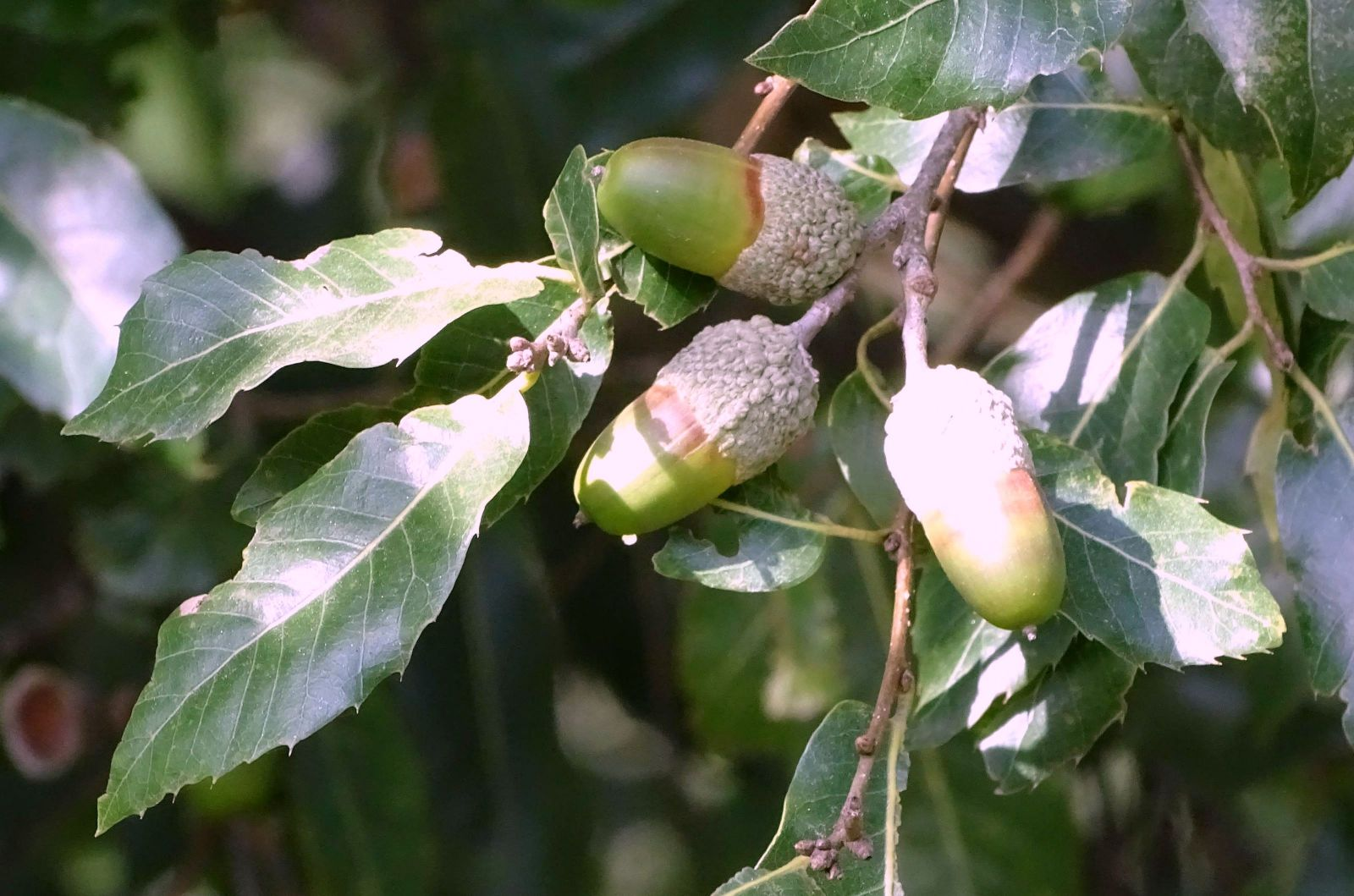
Quercus floribunda, commonly known as the Mexican white oak or Monterrey oak, is a stunning species of oak tree that belongs to the Fagaceae family. This magnificent tree is native to Mexico and parts of Central America, where it graces landscapes with its elegant appearance and ecological significance. Let's delve into the fascinating characteristics and importance of Quercus floribunda.
Appearance and Characteristics
Quercus floribunda is a deciduous tree that can reach heights of up to 50 feet, creating a majestic presence in its natural habitat. The tree's crown is broad and rounded, providing ample shade and shelter for various wildlife species. Its leaves are a defining feature, with a glossy green color and a distinctive shape that is deeply lobed with serrated edges. During the fall season, Quercus floribunda puts on a spectacular show, turning shades of red, orange, and yellow before shedding its leaves for the winter.
One of the most striking aspects of Quercus floribunda is its flowers. The tree produces an abundance of small, delicate blooms that appear in clusters, creating a beautiful spectacle when in full bloom. These flowers are a vital food source for pollinators such as bees and butterflies, highlighting the tree's role in supporting biodiversity.
Ecological Importance
Quercus floribunda plays a crucial role in its ecosystem, providing food and habitat for a wide range of wildlife species. The tree's acorns are a valuable food source for birds, mammals, and insects, contributing to the overall biodiversity of the region. Additionally, Quercus floribunda serves as a nesting site for birds and a shelter for small mammals, further enhancing its ecological significance.
In addition to its role in supporting wildlife, Quercus floribunda also plays a vital role in maintaining ecosystem health. The tree's extensive root system helps prevent soil erosion and improves soil structure, while its canopy provides shade and helps regulate temperature, creating a more hospitable environment for other plant species to thrive.
Cultural Significance
Beyond its ecological importance, Quercus floribunda holds cultural significance in the regions where it is found. The tree has been used for centuries by indigenous communities for various purposes, including as a source of food, medicine, and timber. The wood of Quercus floribunda is highly valued for its strength and durability, making it ideal for construction and furniture making.
In addition to its practical uses, Quercus floribunda has also been revered for its symbolic significance. In some cultures, the tree is associated with strength, resilience, and wisdom, serving as a powerful symbol of endurance in the face of adversity. Its beauty and grace have inspired artists, poets, and storytellers throughout history, further cementing its place in cultural heritage.
Quercus dilatata Lindl. ex Royle ameliorates BPA induced hepatotoxicity.