Bilimbi, cucumber tree
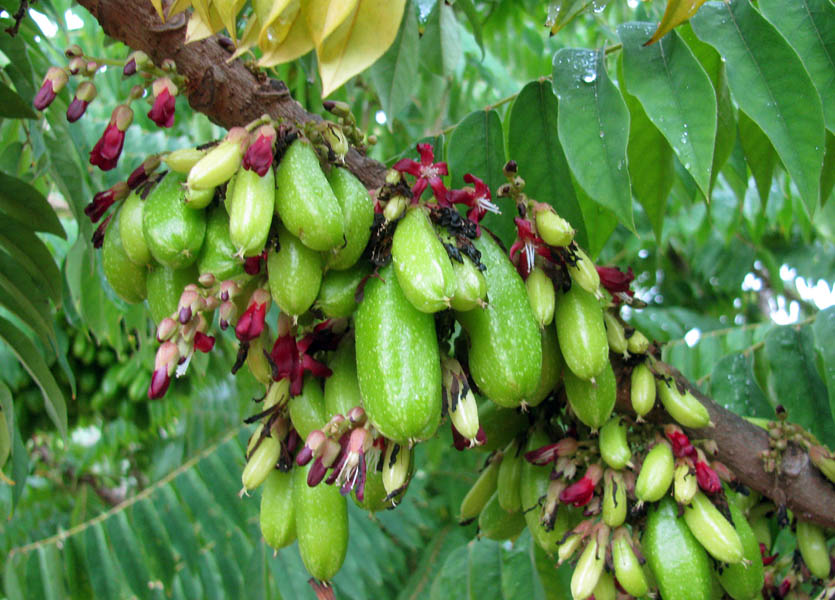
Constituents:
Averrhoa bilimbi, commonly known as bilimbi, cucumber tree, or tree sorrel, is a tropical fruit-bearing tree native to Southeast Asia. This fascinating plant belongs to the Oxalidaceae family and is closely related to the carambola, or starfruit. The bilimbi tree is renowned for its distinctive, tangy fruit, which has a myriad of culinary and medicinal uses.
Botanical Description
The bilimbi tree is a small to medium-sized tree, typically growing to a height of 5-10 meters. It has a short trunk and a dense, spreading canopy. The leaves are pinnate, with 11-37 leaflets arranged in pairs. The tree produces small, fragrant flowers that are yellowish-green or purplish-red in color. These flowers grow in clusters directly on the trunk and branches, a phenomenon known as cauliflory.
The fruit of the bilimbi tree is cylindrical, elongated, and measures about 4-10 cm in length. It has a thin, smooth skin that is green when unripe and turns yellowish when mature. The flesh is juicy, crisp, and extremely sour, with a few small seeds embedded within.
Culinary Uses
Bilimbi is highly valued in various cuisines for its sharp, acidic flavor. Here are some common culinary applications:
- Pickles and Chutneys: In many Southeast Asian countries, bilimbi is often pickled or made into chutneys. The fruit's sourness adds a unique tang to these condiments.
- Curries and Stews: Bilimbi is used as a souring agent in curries, stews, and soups. It imparts a tart flavor that balances the richness of the dishes.
- Juices and Beverages: The fruit can be juiced and sweetened to make refreshing drinks. In some regions, bilimbi juice is mixed with sugar and water to create a cooling beverage.
- Preserves and Jams: Despite its sourness, bilimbi can be cooked with sugar to make preserves and jams. The high acidity helps in the preservation process.
- Salads and Relishes: Sliced bilimbi can be added to salads and relishes for a zesty kick.
Medicinal Uses
Bilimbi is not only a culinary delight but also has several medicinal properties. Traditional medicine systems in various cultures have utilized bilimbi for its health benefits:
- Antioxidant Properties: Bilimbi is rich in antioxidants, which help combat oxidative stress and reduce the risk of chronic diseases.
- Anti-inflammatory Effects: The fruit has anti-inflammatory properties that can help alleviate conditions like arthritis and gout.
- Digestive Aid: Bilimbi is known to stimulate digestion and can be used to treat digestive disorders such as indigestion and constipation.
- Skin Health: The fruit's acidic nature makes it useful in treating skin conditions like acne and eczema. It is often applied topically to affected areas.
- Blood Sugar Regulation: Some studies suggest that bilimbi may help regulate blood sugar levels, making it beneficial for individuals with diabetes.
Cultivation and Propagation
Bilimbi trees thrive in tropical and subtropical climates. They prefer well-drained, sandy loam soils and require full sunlight for optimal growth. The trees are relatively hardy and can tolerate a range of soil conditions, although they are sensitive to frost.
Propagation is typically done through seeds or vegetative methods such as grafting and air layering. Seedlings take about 4-5 years to bear fruit, while grafted trees may start producing within 2-3 years. Regular pruning helps maintain the tree's shape and encourages better fruit production.
Cultural Significance
In addition to its culinary and medicinal uses, bilimbi holds cultural significance in various regions. In the Philippines, for example, the fruit is known as "kamias" and is a staple in many traditional dishes. In Indonesia, it is called "belimbing wuluh" and is used in both food and traditional medicine. The tree is also grown as an ornamental plant in gardens and parks due to its attractive foliage and flowers.
PHYSICOCHEMICAL CHARACTERISTICS OF BILIMBI (Averrhoa bilimbi L.)
Averrhoa bilimbi Linn'Nature's Drug Store- A Pharmacological Review