Pink Turtlehead
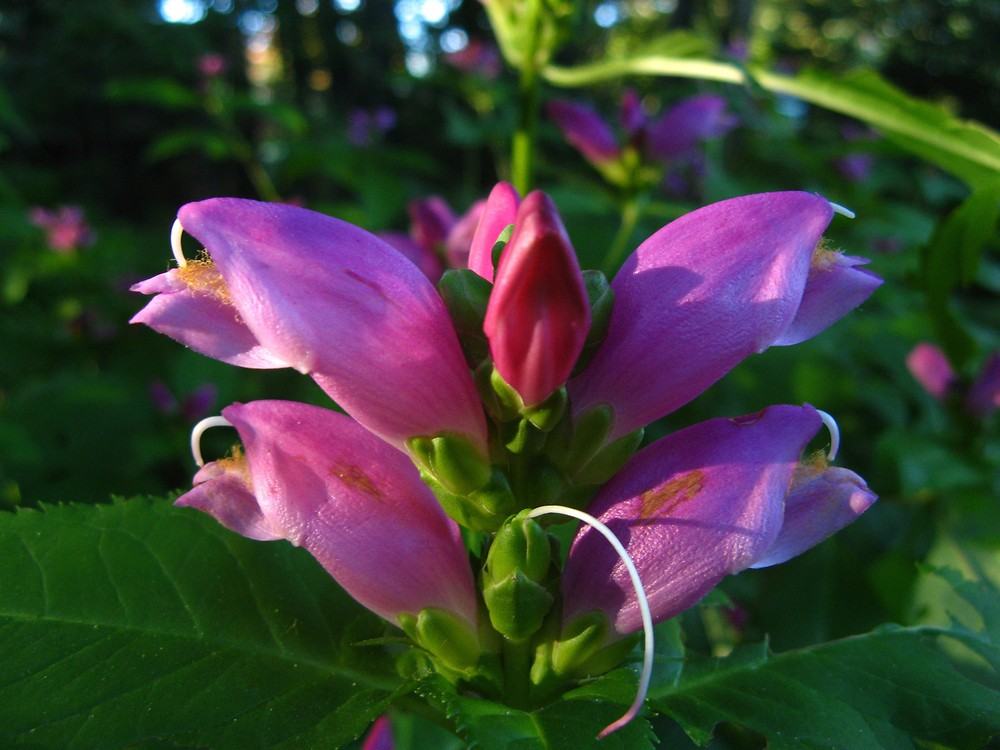
Chelone lyonii, commonly known as Pink Turtlehead, is a stunning perennial plant that belongs to the family Plantaginaceae. This native North American wildflower is a favorite among gardeners for its unique appearance, vibrant blooms, and ability to attract pollinators.
Characteristics of Chelone lyonii
Turtlehead plants are named for their distinctive flower shape, which resembles the head of a turtle. The flowers are tubular with two lips, one resembling a turtle's upper jaw and the other its lower jaw. These blooms come in shades of pink, white, or red, adding a splash of color to late summer and early fall gardens when many other plants are fading. The foliage of Chelone lyonii is also noteworthy, with dark green, lance-shaped leaves that provide an attractive backdrop to the vibrant flowers.
Chelone lyonii typically grows to a height of 2 to 3 feet, forming clumps that spread gradually over time. This plant thrives in moist, well-drained soil and prefers partial shade, making it an excellent choice for woodland gardens or areas with consistently damp conditions. Turtlehead is known for its resilience and ability to withstand wet soil, making it a valuable addition to rain gardens or areas prone to flooding.
Cultivation and Care
When cultivating Chelone lyonii, it is essential to provide the plant with the right growing conditions to ensure its health and vigor. Plant Turtlehead in a location that receives partial shade, as too much sun can cause the foliage to scorch. Ensure that the soil is consistently moist but well-drained, as waterlogged conditions can lead to root rot.
Turtlehead plants benefit from regular watering, especially during dry periods, to keep the soil evenly moist. Applying a layer of mulch around the base of the plant can help retain moisture and suppress weeds. Additionally, fertilizing Chelone lyonii with a balanced, slow-release fertilizer in the spring can promote healthy growth and abundant flowering.
Pruning is generally not necessary for Turtlehead plants, but deadheading spent blooms can encourage the plant to produce more flowers. In late fall, after the first frost, cut back the foliage to the ground to prepare the plant for winter dormancy. Mulching around the base of the plant can help protect the roots during the colder months.
Significance in the Garden Landscape
Chelone lyonii holds significant value in the garden landscape for several reasons. Its late-season blooms provide a burst of color when many other plants have finished flowering, extending the visual interest of the garden into the fall. The unique flower shape of Turtlehead also makes it a standout feature in garden beds and borders, attracting attention from both humans and pollinators.
In addition to its aesthetic appeal, Chelone lyonii plays a vital role in supporting pollinators such as bees and butterflies. The tubular flowers of Turtlehead are particularly attractive to long-tongued bees, which seek out the nectar hidden within. By planting Turtlehead in your garden, you can help provide a valuable food source for these important pollinators and contribute to the overall health of the ecosystem.