Apolipoprotein
Jan 2022: Blood proteins could be the key to a long and healthy life, study finds

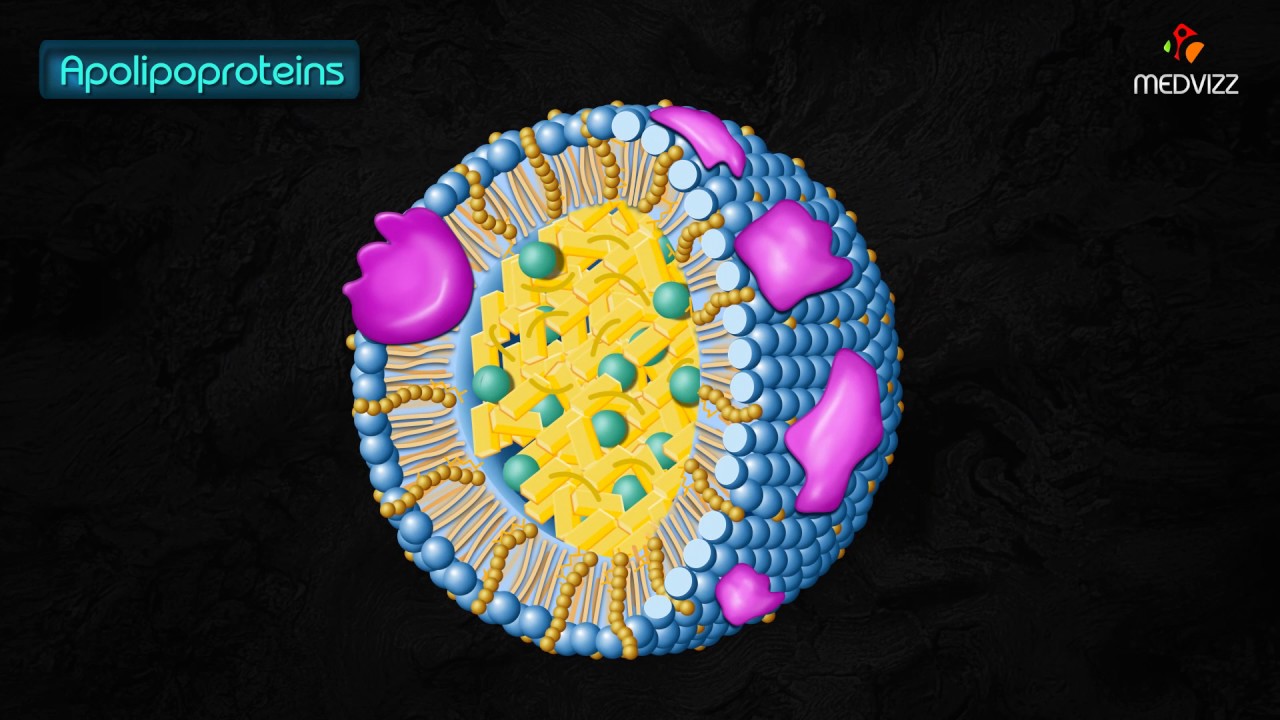
Apolipoproteins are essential proteins that play a critical role in lipid metabolism and cardiovascular health. They are the protein components of lipoproteins, which are complexes that transport lipids, such as cholesterol and triglycerides, through the bloodstream. Apolipoproteins serve as structural components, enzyme cofactors, and ligands for receptors, making them vital for lipid transport and metabolism.
Types of Apolipoproteins
There are several types of apolipoproteins, each with distinct functions and associations with different lipoprotein particles. The major classes include:
- Apolipoprotein A (ApoA):
- Primarily associated with high-density lipoprotein (HDL).
- ApoA-I is the main protein component of HDL and plays a crucial role in reverse cholesterol transport, a process that removes excess cholesterol from tissues and transports it to the liver for excretion.
- ApoA-II is the second most abundant protein in HDL and modulates the metabolism of HDL particles.
- Apolipoprotein B (ApoB):
- Found in low-density lipoprotein (LDL) and very low-density lipoprotein (VLDL).
- ApoB-100 is essential for the assembly and secretion of VLDL from the liver and serves as a ligand for LDL receptors, facilitating the uptake of LDL by cells.
- ApoB-48 is synthesized in the intestine and is crucial for the formation of chylomicrons, which transport dietary lipids.
- Apolipoprotein C (ApoC):
- Exists in several forms, including ApoC-I, ApoC-II, and ApoC-III.
- ApoC-II activates lipoprotein lipase, an enzyme that hydrolyzes triglycerides in lipoproteins.
- ApoC-III inhibits lipoprotein lipase and hepatic uptake of triglyceride-rich particles, influencing plasma triglyceride levels.
- Apolipoprotein E (ApoE):
- Plays a significant role in lipid metabolism and is involved in the clearance of chylomicron remnants and VLDL from the bloodstream.
- ApoE is a ligand for receptors that mediate the uptake of lipoprotein particles by the liver.
- Apolipoprotein D (ApoD):
- Although less understood, ApoD is associated with HDL and has been implicated in lipid transport and metabolism.
Functions of Apolipoproteins
Apolipoproteins have several critical functions in the body:
- Structural Role: They provide structural integrity to lipoprotein particles, stabilizing the lipid core and maintaining the particle's shape.
- Enzyme Activation: Some apolipoproteins act as cofactors for enzymes involved in lipid metabolism. For example, ApoC-II activates lipoprotein lipase, which is essential for the breakdown of triglycerides.
- Receptor Binding: Apolipoproteins serve as ligands for receptors on cell surfaces, facilitating the uptake and clearance of lipoprotein particles. ApoB-100 and ApoE are key players in receptor-mediated endocytosis of LDL and chylomicron remnants, respectively.
- Lipid Transport: They are crucial for the transport of lipids through the bloodstream, ensuring that cells receive the necessary lipids for energy production and membrane synthesis.
Clinical Significance
Apolipoproteins are important biomarkers for cardiovascular disease risk assessment. Abnormal levels of certain apolipoproteins can indicate dyslipidemia, a condition characterized by abnormal lipid levels in the blood, which is a major risk factor for atherosclerosis and cardiovascular diseases.
- ApoA-I and HDL: High levels of ApoA-I and HDL are associated with a reduced risk of cardiovascular disease due to their role in reverse cholesterol transport.
- ApoB and LDL: Elevated levels of ApoB and LDL are linked to an increased risk of atherosclerosis, as they contribute to the formation of plaque in the arteries.
- ApoE Genotypes: Different ApoE genotypes (E2, E3, E4) are associated with varying risks of cardiovascular disease and Alzheimer's disease. The E4 allele, in particular, is linked to a higher risk of both conditions.
Apolipoprotein Measurement
Measuring apolipoprotein levels can provide valuable information about an individual's lipid profile and cardiovascular risk. Commonly measured apolipoproteins include:
- ApoA-I: Reflects HDL levels and is used to assess the protective effect of HDL against cardiovascular disease.
- ApoB: Represents the total number of atherogenic particles, including LDL, VLDL, and intermediate-density lipoprotein (IDL), and is considered a better marker of cardiovascular risk than LDL cholesterol alone.
- ApoE: Genotyping can help assess the risk of cardiovascular disease and Alzheimer's disease.
Therapeutic Implications
Understanding the role of apolipoproteins in lipid metabolism has led to the development of targeted therapies for dyslipidemia and cardiovascular disease. Some therapeutic strategies include:
- Statins: These drugs lower LDL cholesterol levels by inhibiting the enzyme HMG-CoA reductase, which is involved in cholesterol synthesis. Statins also reduce ApoB levels, decreasing the number of atherogenic particles.
- PCSK9 Inhibitors: These monoclonal antibodies increase the clearance of LDL particles by enhancing the recycling of LDL receptors, leading to lower LDL cholesterol and ApoB levels.
- Lifestyle Modifications: Diet and exercise can influence apolipoprotein levels. A diet rich in healthy fats, such as omega-3 fatty acids, and regular physical activity can increase ApoA-I levels and improve HDL function.