Sphingolipids
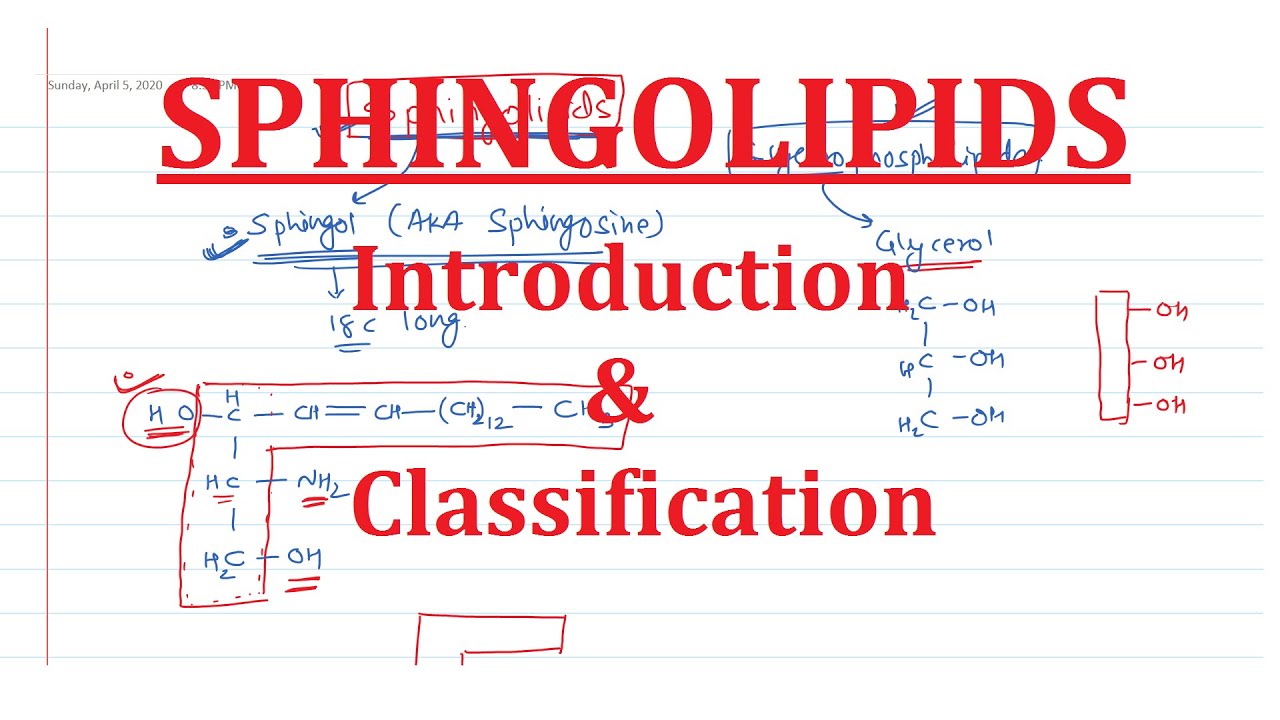
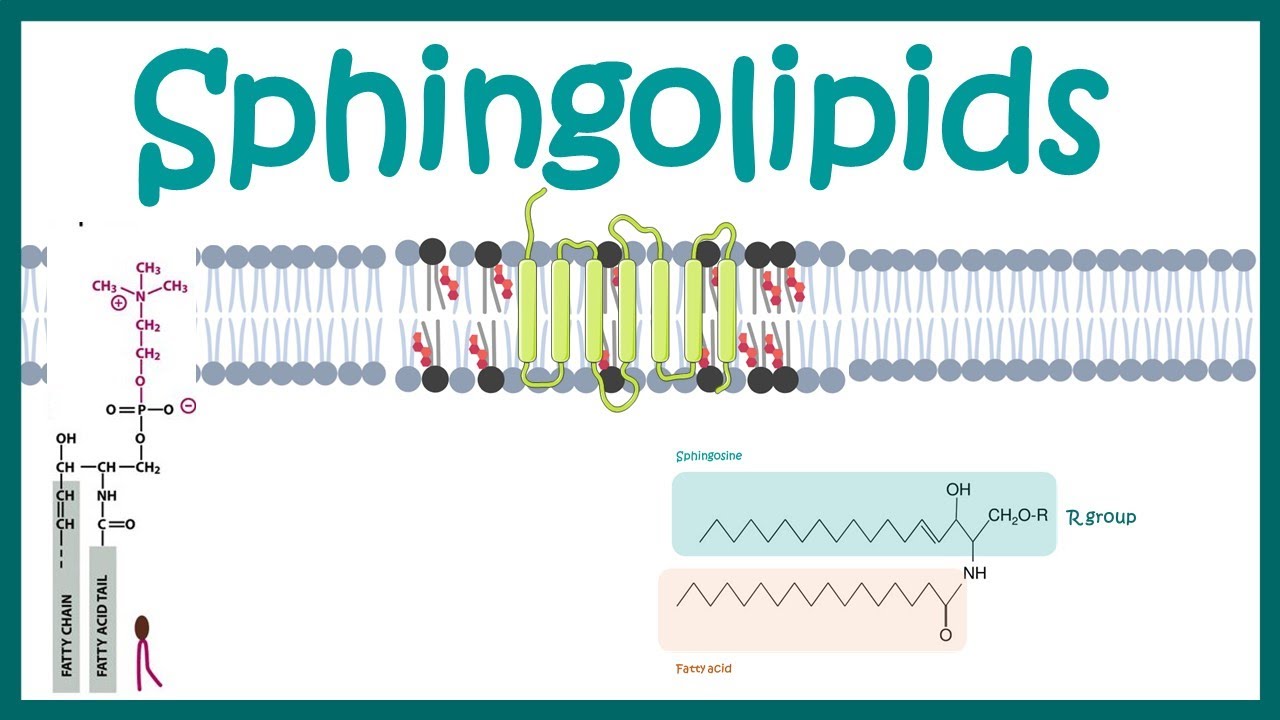

The sphingolipids comprise a complex range of lipids in which fatty acids are linked via amide bonds to a long-chain base or sphingoid. The root term “sphingo-” was first coined by J.L.W. Thudichum in 1884 because the enigmatic nature of the molecules reminded him of the riddle of the sphinx. The term “sphingolipide” was introduced by Herbert Carter and colleagues in 1947. While they are perhaps less enigmatic than they once were, sphingolipids are extremely versatile molecules and surprises are certainly expected as new knowledge is gained of their functions in healthy and diseased animal and plant tissues. They are also found in a few bacterial genera (but especially Sphingomonas and Sphingobacterium).
A long-chain base, such as sphingosine, is the simplest possible functional sphingolipid, but ceramides, which contain a fatty acid linked by an amide bond, are not only important molecules in their own right, but are the precursors of phospholipids and glycolipids with an immense range of functions in tissues. These are quite distinct from the properties of the complex glycerolipids. For example, sphingomyelin has structural similarities to phosphatidylcholine, but has very different physical and biological properties, while the complex oligoglycosylceramides and gangliosides have no true parallels among the glycerolipids.
Complex sphingolipids are located mainly in the plasma membrane of mammalian cells where they have a structural function, although they also serve as adhesion sites for proteins from the extracellular tissue. However, they have analogous intracellular functions in all cellular compartments, including the nucleus. It is now evident that sphingolipids and their metabolites have important roles in signal transduction.
In recent years, it has become apparent that sphingolipids are involved in the patho-physiology of many of the more common human diseases including diabetes, many different cancers, microbial infections, Alzheimer's disease and other neurological syndromes, and diseases of the cardiovascular and respiratory systems. Sphingolipids and their metabolism are therefore likely to prove of ever increasing interest to scientists.
2. General Comments on Sphingolipid Metabolism
The biosynthesis and catabolism of sphingolipids involves a large number of intermediate metabolites, many of which have distinctive biological activities. In animals the relationships between these metabolites have been rationalized in terms of a ‘sphingomyelin cycle’.
Many different enzymes (and their isoforms) are involved, and their activities depend on a number of factors, including intracellular location and mechanisms of activation. Each of the various compounds in these pathways has characteristic metabolic properties, and these are discussed in more detail on the web pages on the individual compounds. Thus, free sphingosine and other long chain bases, which are the primary precursors of ceramides and thence of all the complex sphingolipids, function as mediators of many cellular events, for example by inhibiting the important enzyme protein kinase C. Ceramides are involved in cellular signalling, and especially in the regulation of apoptosis, and cell differentiation, transformation and proliferation, and most stress conditions. In contrast, sphingosine-1-phosphate and ceramide-1-phosphate promote cellular division (mitosis) as opposed to apoptosis, so that the balance between these lipids and ceramide and/or sphingosine levels in cells is critical.
Similarly, the ‘structural’ sphingolipids, such as sphingomyelin, monoglycosylceramides, oligoglycosylceramides, gangliosides and sulfatides, all have unique and characteristic biological functions, most of which are due to their physical properties and location within membranes (see below).
Metabolic pathways that are comparable to those of the sphingomyelin cycle are believed to occur in plants, although they have not been studied as extensively as those in animals (sphingomyelin itself does not occur in plants). However, sphingolipid metabolites such as sphingosine-1-phosphate have been linked to programmed cell death, signal transduction, membrane stability, host-pathogen interactions and stress responses, for example.
Plants also have a unique range of complex lipids in their membranes, such as ceramide phosphorylinositol and the phytoglycosphingolipids, and these are now known to constitute a higher proportion of the total lipids than had hitherto been supposed. The functions of these have hardly been explored.
Sphingolipid metabolism: roles in signal transduction and disruption by fumonisins.