Box Elder / Ash-leaved Maple
See also: Acer (genus)

Constituents
- THE INVESTIGATION OF THE ASPECTS OF BIOLOGICAL ACTIVITY SUBSTANCES FROM *ACER NEGUNDO*
- Physico-chemical studies on *Acer negundo*L. seed oil.
- Metabolomic data of phenolic compounds from *Acer negundo* extracts
- Gallotannin and flavonoid glycosides from the stem bark of *Acer negundo*(L.)
- Studies on the constituents of the leaves of *Acer negundo*(L.)
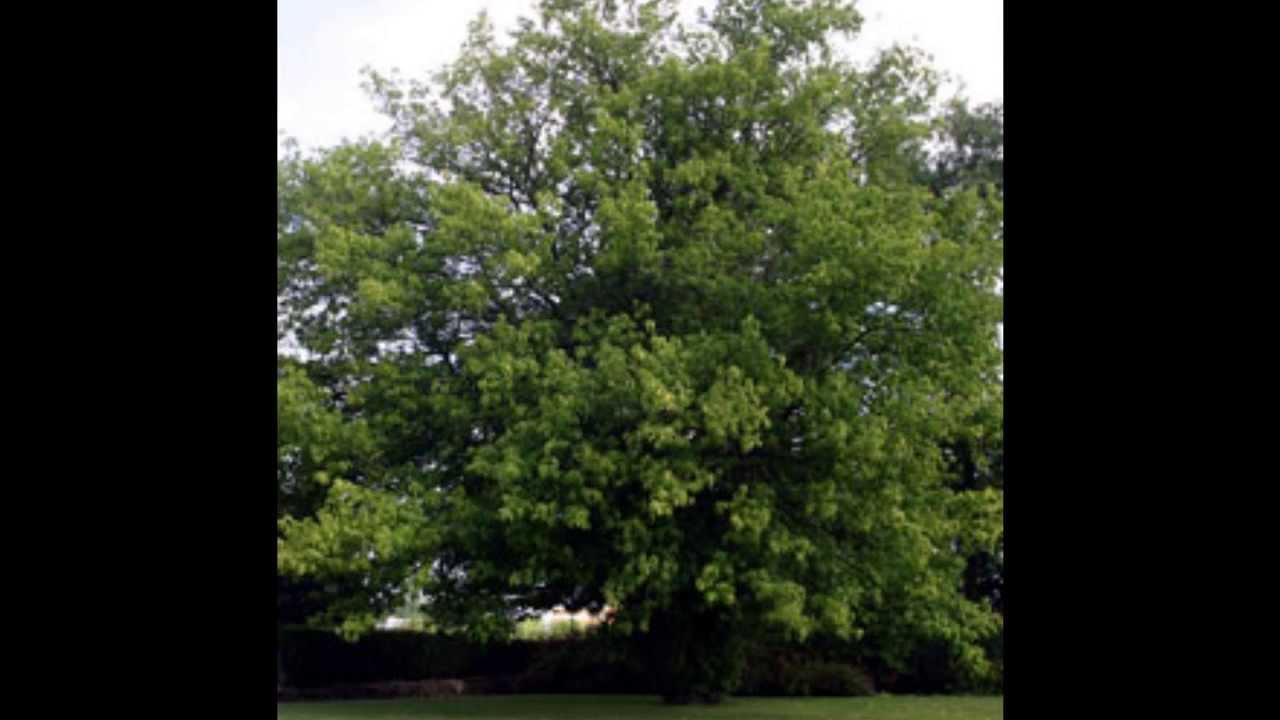
Acer negundo, also known as Boxelder, is a deciduous tree in the Sapindaceae (soapberry) family. The sap has a high sugar content and can be used to produce a syrup, known as mountain molasses. The cambium was used for food by Native Americans, who also boiled down the sap for syrup. The inner bark was used medicinally to induce vomiting. Several maple species have been used in traditional medicine in East Asia (China, Japan, and Korea) and North America, such as Acer negundo, Acer pensylvanicum, Acer rubrum, Acer saccharinum, and Acer tegmentosum. Over the years, medicinal values of the maple genus have been shown to detoxify, treat rheumatism, bruises, eye disease, and pain .
Abundance: common
Edibility:
Edible Maple Leaves: Deep Fried and Delicious.
What: sap, seeds, young sprout, inner bark
How: sap is boiled to syrup; young sprouts raw or cooked; inner bark boiled; seeds are roasted
Where: lowland & moist areas; often along water; windbreaks
When: spring, summer, fall, winter
Nutritional Value: carbohydrates, protein, fiber
Dangers: none, though young seedlings may look like Poison Ivy
For its sap, it was more esteemed than the sugar maples and was a major source of sugar in the South.
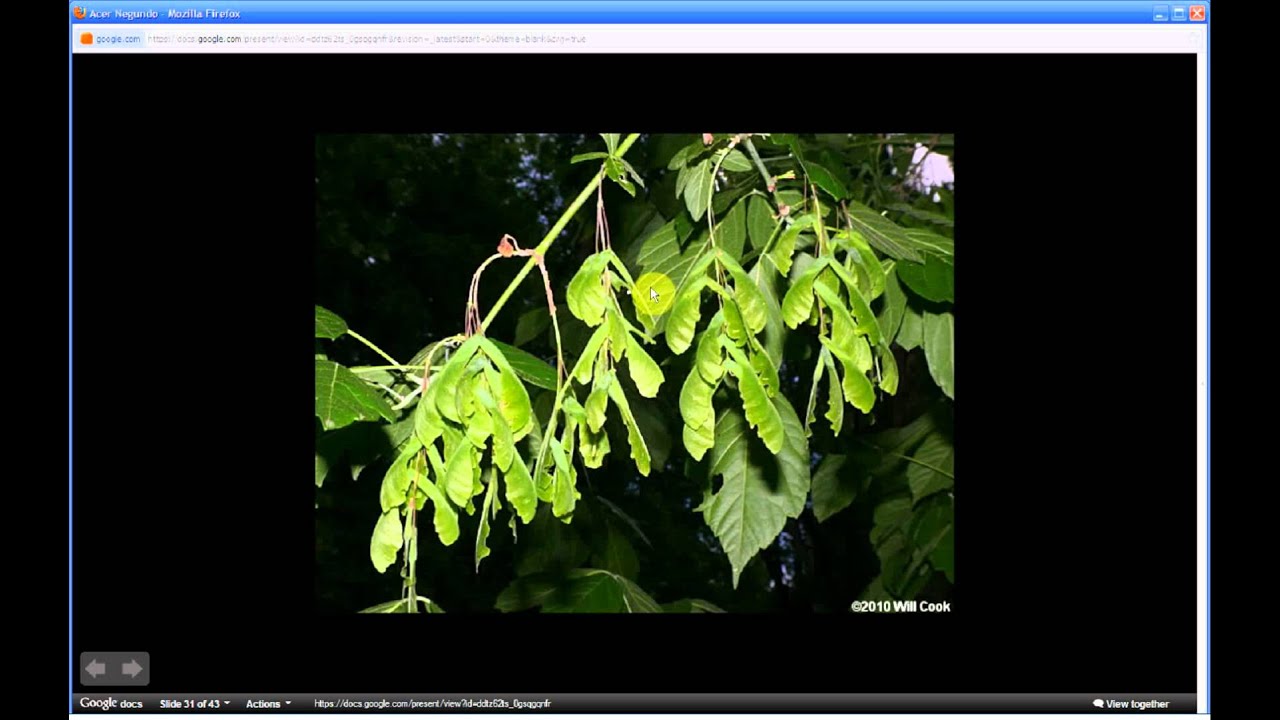
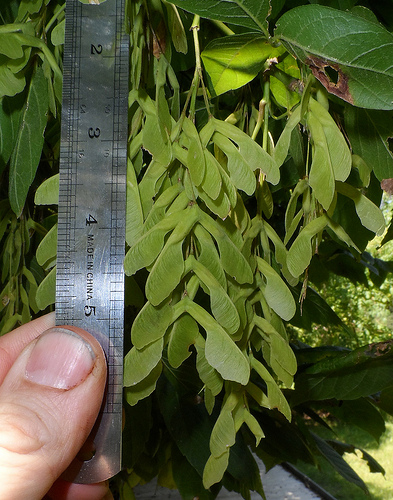
Unripe Box Elder "helicopters". The seeds will be opposite the "fin". They'll be twice this size, dry, and tan when ripe.
Articles/Studies
Acer negundo pollen: Uses, Interactions, Mechanism of Action