Dense-flowered Balsam
Constituents
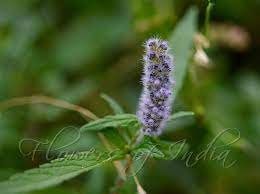
Elsholtzia densa, commonly known as dense-flowered balsam, is a species of flowering plant that belongs to the mint family, Lamiaceae. This herbaceous perennial is native to East Asia, specifically found in countries like China, Japan, Korea, and Taiwan. Elsholtzia densa is renowned for its ornamental value, medicinal properties, and ecological significance, making it a plant of interest for botanists, horticulturists, and herbal medicine practitioners alike.
Description and Characteristics
Elsholtzia densa is characterized by its dense clusters of small, tubular flowers that bloom in shades of pink, purple, or white, depending on the variety. The plant typically grows to a height of 30-60 centimeters and features toothed leaves with a distinct minty aroma when crushed. Its compact growth habit and attractive flowers make it a popular choice for garden borders, rock gardens, and container plantings.
Cultivation and Care
When it comes to cultivating Elsholtzia densa, it thrives in well-drained soil and prefers a sunny to partially shaded location. This plant is relatively low-maintenance and can tolerate a range of soil types, as long as they are not waterlogged. Regular watering and occasional fertilization can help promote healthy growth and abundant flowering. In regions with harsh winters, it is advisable to provide some protection or bring potted specimens indoors to prevent frost damage.
Medicinal Uses
In traditional Chinese medicine, various parts of Elsholtzia densa, including the leaves and flowers, are utilized for their medicinal properties. The plant is believed to have anti-inflammatory, antimicrobial, and antioxidant effects, making it valuable in treating respiratory ailments, digestive disorders, and skin conditions. Infusions or extracts made from Elsholtzia densa are often used to alleviate coughs, reduce fever, and promote overall well-being.
Ecological Importance
Beyond its ornamental and medicinal value, Elsholtzia densa plays a crucial role in supporting biodiversity and ecosystem health. As a nectar-rich plant, it attracts pollinators such as bees, butterflies, and hummingbirds, contributing to pollination and seed dispersal. Additionally, its dense growth habit provides shelter and food sources for various beneficial insects, enhancing the overall ecological balance in its native habitats.
Conservation Status
Despite its widespread distribution in East Asia, Elsholtzia densa faces threats from habitat loss, overexploitation, and invasive species encroachment. Conservation efforts are essential to safeguard the genetic diversity and population stability of this species. Initiatives such as habitat restoration, sustainable harvesting practices, and public awareness campaigns can help ensure the long-term survival of Elsholtzia densa and its associated ecosystems.