Grocery (food) Labels
Return to Food Menu
The food label tells you how many grams of sugar it contains, divide that by 4 to get how many teaspoons of sugar.
Videos
2025: FDA’s New ‘Healthy’ Food Label Explained
What food labels are hiding

Plant-Based Label Reading Made Easy
FDA updates definition of ‘healthy’ on food labels for first time in 30 years
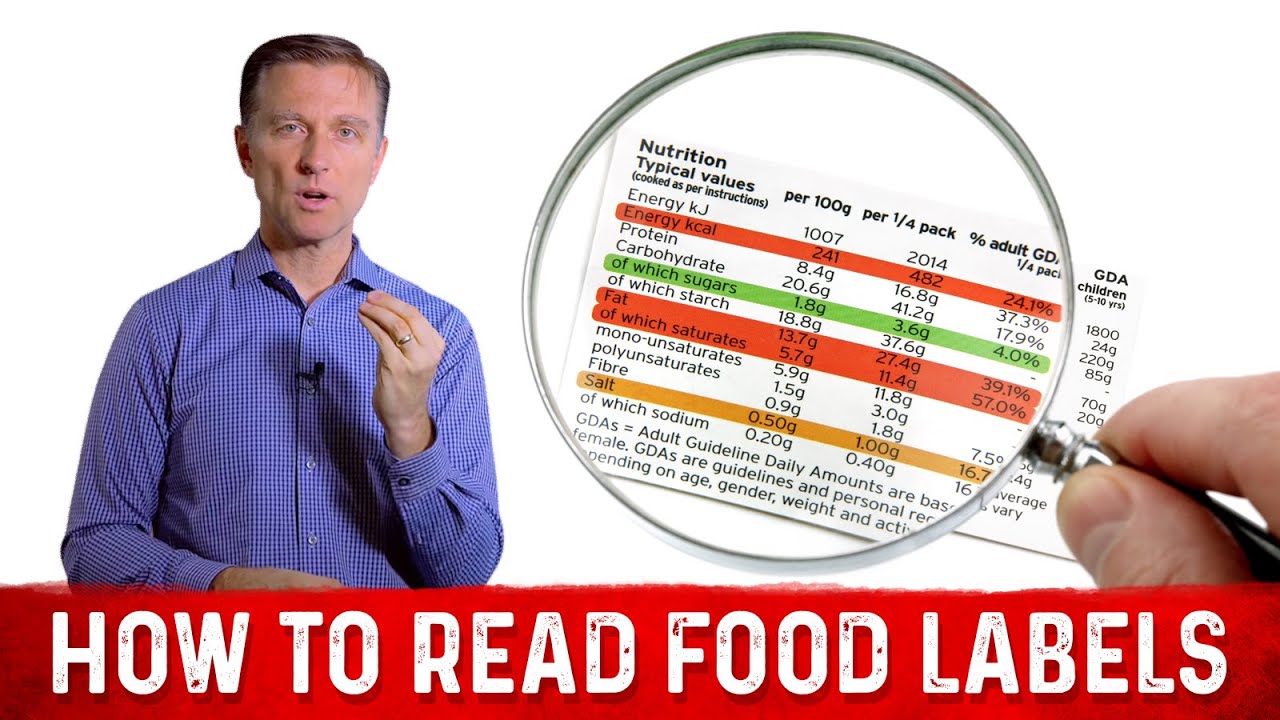
How to read a nutrition label
What Are Natural Flavors? #shorts
What you need to know about Food Markets and Labeling Scams
Is GMO labeling changing?
2024 FDA Webinar on Allergen Labeling for Retail Food Stores and Food Service Establishments
Navigating the aisles of a grocery store can be overwhelming, especially when trying to make healthy and informed choices. Food labels are a crucial tool in this process, providing essential information about the nutritional content and ingredients of the products we consume.
The Importance of Food Labels
Food labels serve multiple purposes:
- They inform consumers about the nutritional value of a product.
- They help individuals manage dietary needs and restrictions.
- They provide transparency about the ingredients used in food products.
- They assist in comparing similar products to make healthier choices.
Key Components of a Food Label
When examining a food label, there are several key components to consider:
1. Serving Size
The serving size is the first piece of information on a food label. It indicates the amount of food that is considered a single serving and is crucial for understanding the rest of the nutritional information. All the nutritional values listed on the label are based on this serving size. Be mindful that the serving size may not reflect the portion you typically consume.
2. Calories
Calories provide a measure of how much energy you get from a serving of the food. Monitoring calorie intake is important for maintaining a healthy weight. Remember that the number of servings you consume affects the total calorie intake.
3. Nutrients
Food labels list both macronutrients and micronutrients:
- Macronutrients: These include fats, carbohydrates, and proteins. Each plays a vital role in your diet:
* Fats: Look for the breakdown of total fat into saturated and trans fats. Aim to limit saturated fats and avoid trans fats.
* Carbohydrates: This includes dietary fiber and sugars. High fiber content is beneficial, while added sugars should be minimized.
* Proteins: Essential for building and repairing tissues, proteins are a crucial part of your diet.
- Micronutrients: These include vitamins and minerals such as Vitamin D, calcium, iron, and potassium. They are essential for various bodily functions and overall health.
4. Percent Daily Value (%DV)
The %DV indicates how much a nutrient in a serving of food contributes to a daily diet, based on a 2,000-calorie diet. It helps you gauge whether a food is high or low in a particular nutrient:
- 5% DV or less is considered low.
- 20% DV or more is considered high.
5. Ingredients List
The ingredients list provides a detailed account of what is in the food product. Ingredients are listed in descending order by weight, meaning the first few ingredients are the most predominant. This list is crucial for identifying allergens, additives, and the overall quality of the product.
Tips for Reading Food Labels
Here are some practical tips to help you make the most of food labels:
- Check the Serving Size: Always start by looking at the serving size to understand the nutritional information accurately.
- Look for Added Sugars: Be cautious of products with high added sugars, which can contribute to various health issues.
- Monitor Sodium Levels: High sodium intake is linked to hypertension and heart disease. Aim for products with lower sodium content.
- Choose Whole Grains: When looking at carbohydrate sources, opt for products that list whole grains as one of the first ingredients.
- Be Wary of Health Claims: Terms like "natural," "organic," or "low-fat" can be misleading. Always verify these claims by checking the actual nutritional content.
- Identify Allergens: If you have food allergies, carefully read the ingredients list to avoid potential allergens.
Common Misconceptions
There are several misconceptions about food labels that can lead to confusion:
- "Low-Fat" Means Healthy: Low-fat products can still be high in sugar or calories. Always check the full nutritional profile.
- "Organic" Equals Nutritious: Organic products are not necessarily healthier. They can still be high in sugar, fat, or calories.
- "Sugar-Free" Is Better: Sugar-free products may contain artificial sweeteners, which some people prefer to avoid.
Articles/Studies
'No fat' or 'no sugar' label equals no guarantee of nutritional quality
Proposed Texas Laws - Label Food Containing Aborted Fetuses
Why You Need to Know How to Read a Nutrition Label
If you see this label on a fruit don't buy for any cost!
Ask an Expert: All About Sustainable Food and Honest Labeling