Cleft Palate
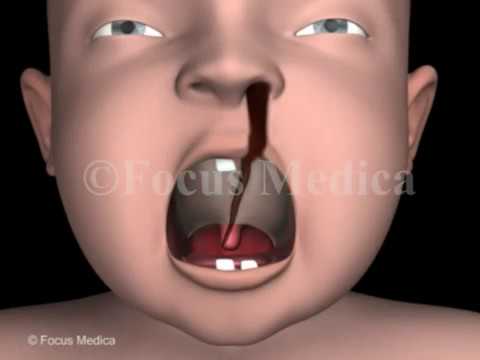
A cleft palate is a congenital condition that affects the roof of the mouth, where there is an opening or split in the palate. This condition can occur on its own or alongside a cleft lip, which is a split in the upper lip. Cleft palate is a common birth defect and can vary in severity, impacting a child's ability to eat, speak, and hear properly.
CAUSES OF CLEFT PALATE
The exact cause of cleft palate is not fully understood, but it is believed to result from a combination of genetic and environmental factors. During pregnancy, the tissues that form the palate and lip do not fuse completely, leading to a cleft. Some potential contributing factors include:
- Genetic predisposition: A family history of cleft palate or cleft lip can increase the likelihood of a child being born with the condition.
- Environmental influences: Exposure to certain substances during pregnancy, such as tobacco smoke, alcohol, or certain medications, may increase the risk.
- Nutritional deficiencies: Lack of essential nutrients, such as folic acid, during pregnancy might contribute to the development of cleft palate.
- Medical conditions: Certain medical conditions in the mother, such as diabetes, have been associated with a higher risk of cleft palate.
Symptoms and Diagnosis
The symptoms of a cleft palate can vary depending on the severity of the condition. Some common signs include:
- Visible opening in the roof of the mouth: This is the most apparent symptom and can be seen during a physical examination.
- Feeding difficulties: Infants with a cleft palate may struggle with feeding due to the inability to create suction.
- Speech problems: As the child grows, they may experience speech difficulties, including nasal-sounding speech or difficulty pronouncing certain sounds.
- Ear infections and hearing loss: Children with cleft palate are more prone to ear infections, which can lead to hearing issues.
Diagnosis of a cleft palate is typically made at birth through a physical examination. In some cases, prenatal ultrasounds may detect the condition before birth.
Treatment Options
Treatment for cleft palate often involves a multidisciplinary approach, including surgery, speech therapy, and dental care. The primary goals of treatment are to close the cleft, improve feeding and speech, and address any associated health issues.
- Surgical Repair: Surgery is the most common treatment for cleft palate and is usually performed when the child is between 6 and 18 months old. The procedure involves closing the opening in the palate to restore normal function and appearance.
- Speech Therapy: Many children with cleft palate require speech therapy to address speech and language difficulties. A speech-language pathologist can help improve articulation and communication skills.
- Dental and Orthodontic Care: Children with cleft palate may need dental care to address issues with teeth alignment and oral health. Orthodontic treatment may be necessary as the child grows.
- Hearing Management: Regular hearing assessments are important for children with cleft palate, as they are at higher risk for ear infections and hearing loss. Ear tubes may be placed to prevent fluid buildup and reduce the risk of infections.
Implications and Support
Living with a cleft palate can present challenges for both the child and their family. However, with appropriate treatment and support, most children with cleft palate can lead healthy, fulfilling lives. Here are some considerations and resources for families:
- Emotional Support: Families may benefit from counseling or support groups to cope with the emotional aspects of having a child with a cleft palate.
- Educational Resources: Access to educational materials and resources can help parents understand the condition and the treatment process.
- Community Support: Connecting with other families who have children with cleft palate can provide valuable support and shared experiences.