Red Maple
'Gloom' and doom when these insects are on hot, dry red maple trees
Videos:
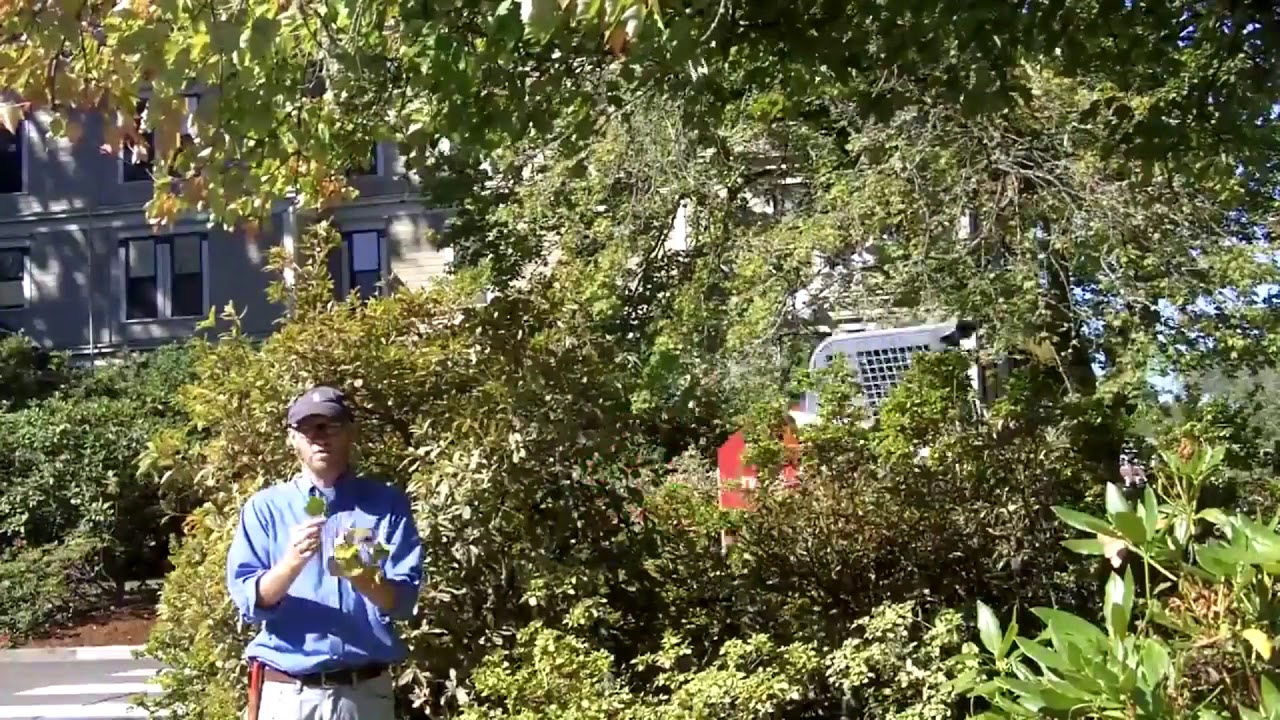
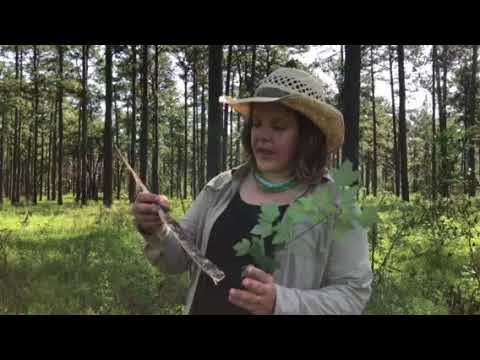
Identification Cues
- Opposite branching (typical of maples)
- Leaves: 3–5 shallow lobes, serrated margins, V-shaped sinuses
- Leaf color: red tinge on new growth; brilliant red/orange in fall
- Petioles often red
- Bark: smooth and light gray when young, becoming darker and slightly scaly with age
- Twigs: reddish, small rounded winter buds
- Flowers: small red clusters in very early spring (before leaves)
- Habitat: low, wet sites but adaptable; common along roadsides and in mixed hardwood forests
Medicinal Parts: the bark
Constituents
Tannins
Triterpenoid saponins
Allantoins
Effects
Astringent
Uses
Used for eye conditions (folk medicine of the North American Indians). This product should not be used otherwise.
Native American Uses
KOASATI-gun wound-The bark, in mixture with that of Ulnus americana and Nyssa sylvatica, is made into an infusion which is drunk and also used as an application to the wound.