Russian Sage
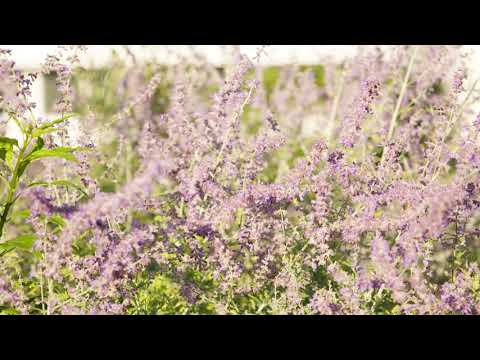
Salvia yangii, commonly known as Russian sage or Perovskia atriplicifolia, is a perennial flowering plant that belongs to the Lamiaceae family. This plant is native to Central Asia, specifically regions like Afghanistan, Pakistan, and Tibet.
Appearance and Growth Habit
Russian sage is a woody subshrub that typically grows to a height of 2 to 4 feet, with a spread of 2 to 4 feet as well. The plant features silvery-gray foliage that is finely dissected, giving it a delicate and airy appearance. The leaves are aromatic when crushed, emitting a pleasant scent. In the late summer to early fall, Russian sage produces tall spikes of small, tubular lavender-blue flowers that attract pollinators such as bees and butterflies.
Cultivation and Care
Salvia yangii is a hardy plant that thrives in full sun and well-drained soil. It is drought-tolerant once established, making it an excellent choice for xeriscaping or low-water gardens. Russian sage is relatively low-maintenance, requiring minimal pruning to remove spent flower spikes and maintain its shape. In colder climates, it is advisable to cut back the plant in late winter or early spring to promote new growth.
Landscape Uses
Russian sage is a versatile plant that can be used in various landscape settings. Its airy foliage and long-lasting blooms make it a great choice for mixed borders, mass plantings, or as a focal point in the garden. The plant's silvery-gray leaves provide a beautiful contrast to darker foliage plants, while its flowers add a pop of color to the landscape. Russian sage also works well in cottage gardens, Mediterranean-style landscapes, and wildlife gardens.
Benefits to Pollinators
One of the key benefits of Salvia yangii is its attractiveness to pollinators. The tubular flowers of Russian sage are rich in nectar, making them a valuable food source for bees, butterflies, and other pollinating insects. By planting Russian sage in your garden, you can help support pollinator populations and promote biodiversity in your local ecosystem.
Medicinal and Culinary Uses
In addition to its ornamental value, Russian sage has been used for its medicinal and culinary properties. The plant contains essential oils that have been traditionally used in herbal medicine to treat various ailments, such as digestive issues and respiratory problems. The leaves of Russian sage can also be used to make herbal teas or added to culinary dishes for flavor.
Potential Concerns
While Russian sage is generally considered a low-maintenance plant, there are a few potential concerns to be aware of. In some regions, Russian sage can self-seed and become invasive if not properly managed. To prevent unwanted spread, deadhead the flowers before they go to seed and remove any volunteer seedlings that may appear. Additionally, Russian sage is not recommended for consumption by pets, as it can be toxic if ingested.