Reverse Transcriptase

Simplified RT -- Reverse Transcription Animation
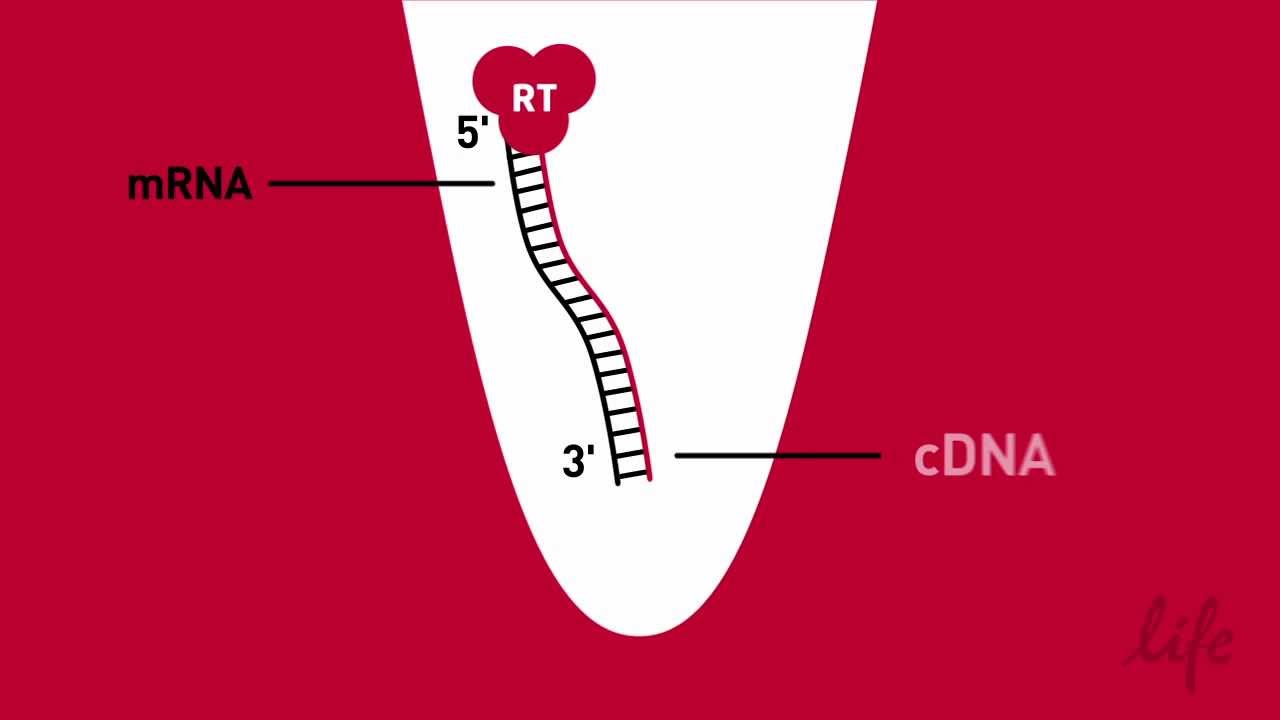
Synthesizing cDNA with Reverse Transcriptase
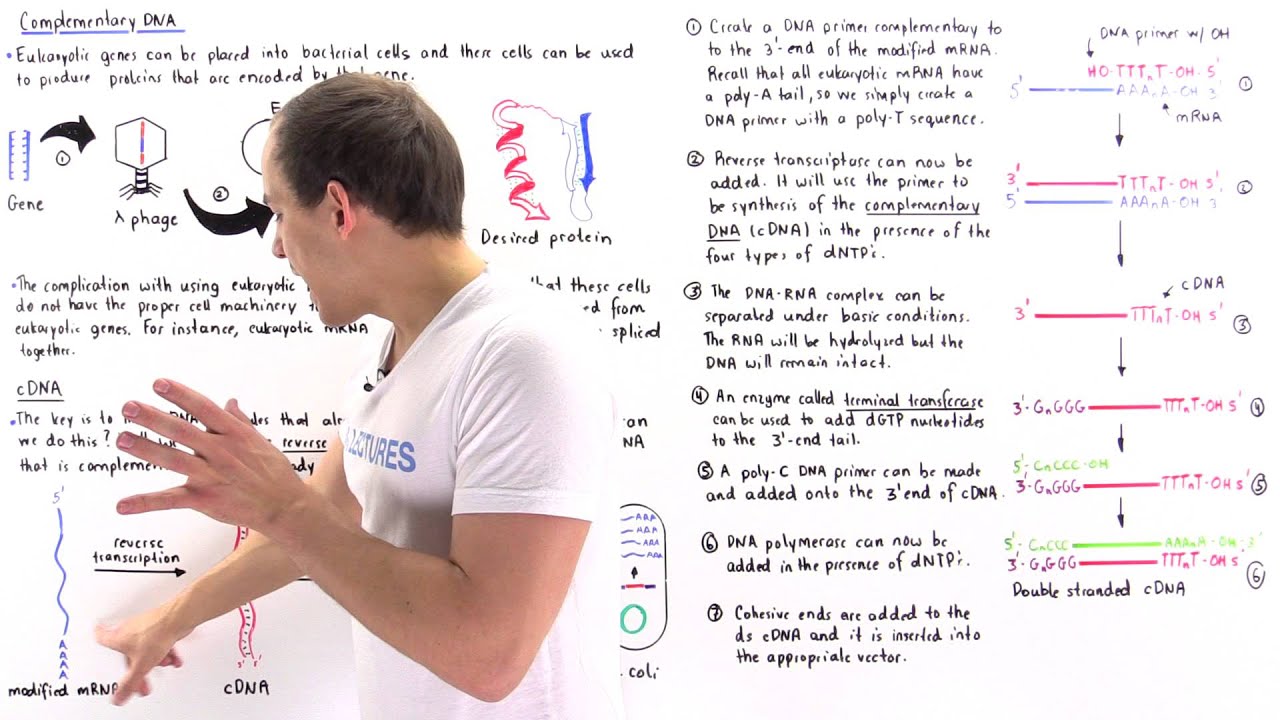
Reverse transcriptase (RT) is an enzyme that defies the central dogma of molecular biology. Normally, genetic information flows from DNA to RNA (transcription) and then from RNA to proteins (translation). However, reverse transcriptase flips the script, allowing RNA to be converted into DNA.
Function:
- Reverse transcriptase is a RNA-dependent DNA polymerase. This means it uses RNA, instead of DNA, as a template to synthesize a complementary DNA (cDNA) molecule.
Roles in Nature:
- Reverse transcriptase plays a vital role in the life cycle of retroviruses such as HIV (Human Immunodeficiency Virus) and Hepatitis B. These viruses have RNA genomes. When they infect a host cell, the viral RNA is converted into cDNA by reverse transcriptase. This cDNA can then integrate into the host cell's genome, allowing the virus to replicate and produce new viral particles.
- In some eukaryotic organisms (organisms with a defined nucleus), reverse transcriptase is involved in processes like:
- Telomere maintenance: Telomeres are the protective caps at the ends of chromosomes. An enzyme called telomerase, which includes reverse transcriptase activity, helps maintain telomere length and prevent chromosome degradation during cell division.
- Retrotransposons: These are mobile genetic elements that can move around the genome using an RNA intermediate. Reverse transcriptase is involved in the process of copying the RNA intermediate back into DNA and inserting it at a new location.
Applications in Research:
- Reverse transcriptase is a crucial tool in molecular biology research. It allows scientists to convert RNA molecules, such as messenger RNA (mRNA) which carries protein-coding instructions, into complementary DNA (cDNA). This cDNA can then be:
- Amplified using a technique called polymerase chain reaction (PCR) to study gene expression levels.
- Analyzed using various methods to understand gene function and regulation.
- Used in techniques like RNA sequencing to gain insights into the entire transcriptome (all RNA molecules) of a cell.
The Discovery and Controversy:
- The discovery of reverse transcriptase in the 1970s by Howard Temin and David Baltimore was a scientific breakthrough. It challenged the existing dogma of genetic information flow and opened doors for new research avenues.
- Initially, the concept of RNA being used to generate DNA was met with skepticism. However, subsequent research confirmed the existence and function of reverse transcriptase.
Future Directions:
- Research on reverse transcriptase continues to explore its role in various biological processes.
- Understanding its function in retroviruses could lead to the development of new antiviral therapies.
- Its role in telomere maintenance might shed light on aging and age-related diseases.