Devil's Urn
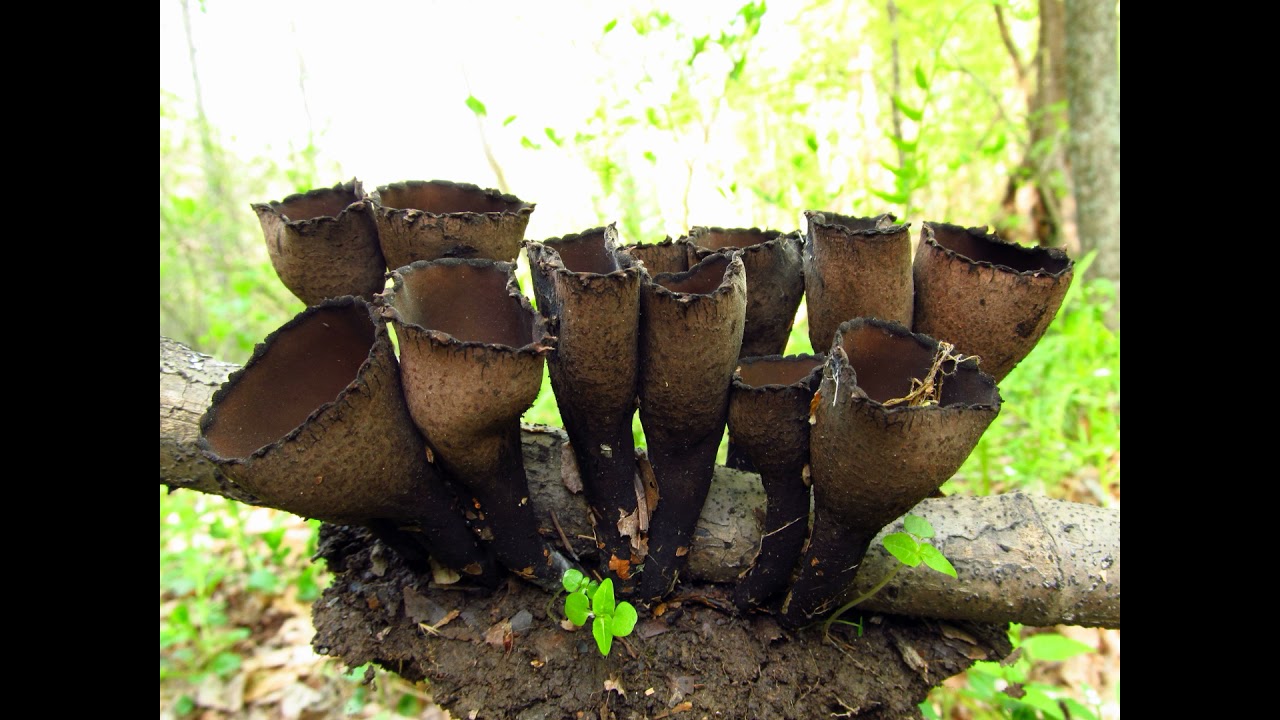
The Devil's Urn, scientifically known as Urnula craterium, is a fascinating and somewhat eerie-looking fungus that belongs to the family Sarcosomataceae. This unique fungus is notable for its dark, urn-shaped fruiting bodies, which give it a distinctive and somewhat ominous appearance. Found primarily in North America, the Devil's Urn is a saprobic fungus, meaning it feeds on decaying organic matter, playing a crucial role in the ecosystem by breaking down dead wood and contributing to nutrient cycling.
Identification and Description
The Devil's Urn is relatively easy to identify due to its unique morphology. Here are some key characteristics:
- Fruiting Body: The fruiting body of the Devil's Urn is typically 2-8 cm tall and 1-4 cm wide. It is shaped like an urn or goblet, with a dark brown to black exterior and a similarly colored interior. The surface is often rough and wrinkled, adding to its distinctive appearance.
- Stipe: The stipe, or stem, is usually short and thick, often buried in the substrate. It is typically the same color as the fruiting body.
- Spores: The spores of Urnula craterium are elliptical, smooth, and hyaline (translucent). They are released through an opening at the top of the urn-shaped fruiting body.
- Habitat: This fungus is commonly found on decaying hardwood, particularly oak, in deciduous forests. It tends to appear in early spring, often before other fungi have started to fruit.
Ecological Role
As a saprobic fungus, the Devil's Urn plays a vital role in forest ecosystems. By breaking down dead wood, it helps recycle nutrients back into the soil, promoting the growth of plants and other organisms. This decomposition process is essential for maintaining the health and balance of forest ecosystems.
Edibility and Uses
The edibility of the Devil's Urn is a topic of some debate. While it is not known to be toxic, it is generally not considered edible due to its tough and leathery texture. Some sources suggest that it may be edible when young, but it is not commonly consumed. Instead, the Devil's Urn is primarily of interest to mycologists and naturalists due to its unique appearance and ecological role.
Similar Species
There are a few other fungi that resemble the Devil's Urn, which can sometimes lead to confusion in identification:
- Black Tulip Fungus (Plectania melastoma): This fungus also has a dark, cup-shaped fruiting body, but it is generally smaller and has a more pronounced stipe.
- Black Jelly Cup (Exidia glandulosa): This fungus has a similar dark color but is more gelatinous and lacks the urn shape.
- Urnula hiemalis: A close relative of Urnula craterium, this species is also urn-shaped but tends to be smaller and is found in different habitats.
Conservation and Observation
While the Devil's Urn is not currently considered endangered, it is always important to practice responsible foraging and observation. Here are some tips for those interested in observing or studying this unique fungus:
- Respect Nature: Avoid disturbing the natural habitat. Take only photographs and leave the fungi undisturbed.
- Use a Field Guide: A good field guide can help with accurate identification and provide additional information about the species and its habitat.
- Report Findings: If you come across a large or unusual population of Devil's Urn, consider reporting your findings to a local mycological society or conservation group. This can help with tracking the distribution and health of fungal populations.