Cochlear Implant
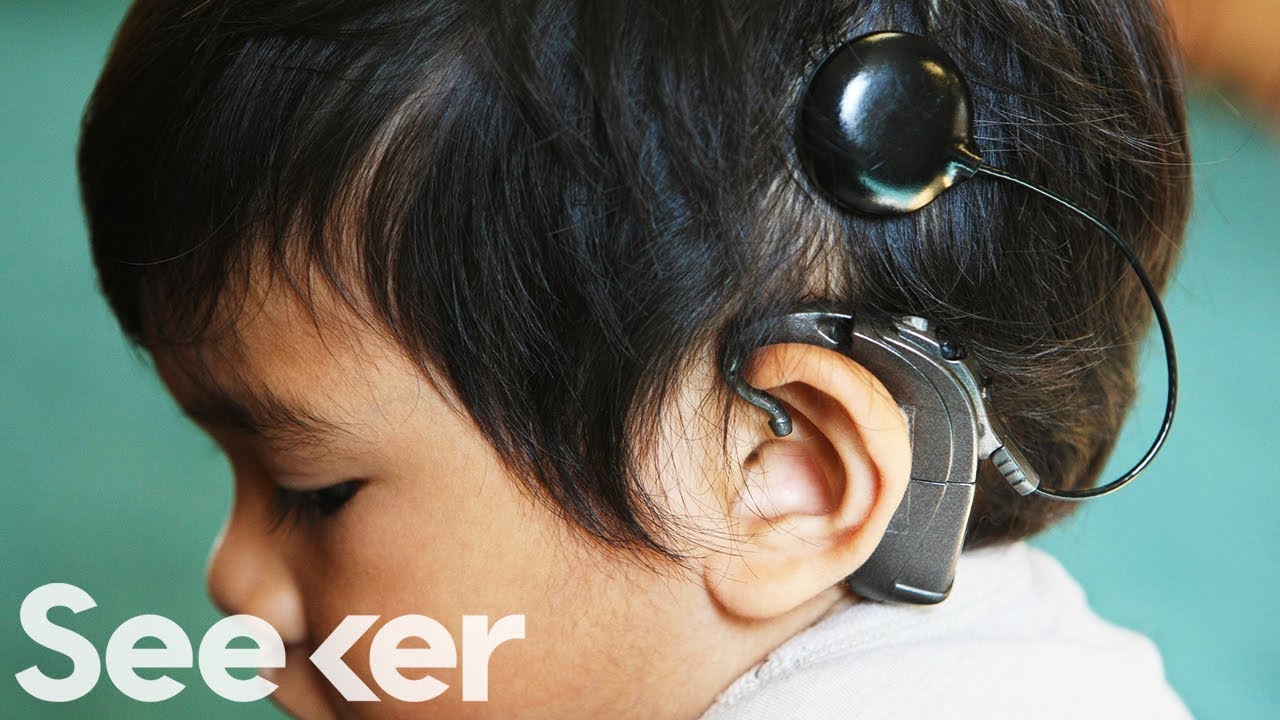

Cochlear implants are advanced medical devices designed to provide a sense of sound to individuals who are profoundly deaf or severely hard of hearing. Unlike hearing aids, which amplify sound, cochlear implants bypass damaged portions of the ear and directly stimulate the auditory nerve. This technology has revolutionized the way individuals with hearing impairments can perceive sound, offering a new avenue for communication and interaction with the world.
How Cochlear Implants Work
A cochlear implant consists of two main components: an external portion that sits behind the ear and an internal portion that is surgically placed under the skin. The external component includes a microphone, a speech processor, and a transmitter. The microphone picks up sounds from the environment, which are then processed and converted into digital signals by the speech processor. These signals are sent to the transmitter, which relays them to the internal component.
The internal component comprises a receiver and an electrode array. The receiver, implanted under the skin, receives signals from the transmitter and converts them into electrical impulses. These impulses are sent to the electrode array, which is inserted into the cochlea, a spiral-shaped organ in the inner ear. The electrodes stimulate the auditory nerve, allowing the brain to perceive sound.
Benefits of Cochlear Implants
Cochlear implants offer numerous benefits to individuals with severe hearing loss:
- Improved Speech Understanding: Many recipients experience significant improvements in their ability to understand speech, even in noisy environments.
- Enhanced Quality of Life: With the ability to hear, individuals can engage more fully in social activities, education, and employment.
- Developmental Advantages for Children: Early implantation in children can facilitate language development and improve educational outcomes.
- Bilateral Hearing: Some individuals receive implants in both ears, which can enhance sound localization and speech understanding.
Considerations and Limitations
While cochlear implants provide remarkable benefits, there are several considerations and limitations to keep in mind:
- Surgical Risks: As with any surgery, there are risks involved, including infection and complications from anesthesia.
- Variable Outcomes: The effectiveness of cochlear implants can vary based on factors such as the duration of deafness, age at implantation, and the health of the auditory nerve.
- Rehabilitation: Post-implantation, recipients often require extensive auditory training and rehabilitation to maximize the benefits of the device.
- Cost: Cochlear implants can be expensive, and while many insurance plans cover the procedure, out-of-pocket costs can still be significant.
The Process of Getting a Cochlear Implant
The journey to receiving a cochlear implant involves several steps:
- Evaluation: Candidates undergo a comprehensive evaluation to determine their suitability for the implant. This includes audiological tests, medical examinations, and imaging studies.
- Surgery: The surgical procedure typically takes a few hours and is performed under general anesthesia. Patients may be discharged the same day or require an overnight stay.
- Activation: A few weeks after surgery, the external component is fitted, and the implant is activated. This is when the recipient first experiences sound through the device.
- Rehabilitation: Ongoing auditory training and therapy are crucial for adapting to the new way of hearing and improving speech comprehension.
Future Directions in Cochlear Implant Technology
Research and development in cochlear implant technology continue to advance, with several promising areas of innovation:
- Improved Sound Quality: Efforts are underway to enhance the sound quality and naturalness of cochlear implants, making them more akin to normal hearing.
- Wireless Connectivity: Newer models are incorporating wireless technology to connect with smartphones and other devices, offering greater convenience and functionality.
- Expanded Candidacy: Researchers are exploring ways to expand the criteria for candidacy, potentially benefiting individuals with less severe hearing loss or those with residual hearing.