Prickly Comfrey
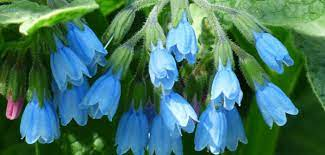
Symphytum asperum, commonly known as rough comfrey, is a perennial herbaceous plant that belongs to the Boraginaceae family. This plant is native to Europe and Western Asia and is known for its medicinal properties and ornamental value.
Characteristics of Symphytum asperum
Symphytum asperum is characterized by its hairy, lance-shaped leaves and bell-shaped flowers that range in color from white to pink or purple. The plant typically grows to a height of 60-90 cm and thrives in moist, well-drained soil. Its roots are deep and fleshy, contributing to its ability to withstand drought conditions. The rough texture of its leaves gives the plant its common name, rough comfrey.
Uses of Symphytum asperum
Medicinal Uses
Symphytum asperum has a long history of medicinal use dating back to ancient times. The plant contains compounds such as allantoin, rosmarinic acid, and tannins, which are believed to have anti-inflammatory and wound-healing properties. Comfrey preparations, including ointments, poultices, and teas, have been used to treat bruises, sprains, and minor wounds. However, it is essential to use caution when using comfrey internally due to the presence of pyrrolizidine alkaloids, which can be toxic in large amounts.
Ornamental Value
In addition to its medicinal uses, Symphytum asperum is valued for its ornamental qualities. The plant's attractive flowers and foliage make it a popular choice for garden borders, rock gardens, and naturalized areas. Its ability to attract pollinators such as bees and butterflies adds to its appeal in garden settings.
Cultivation of Symphytum asperum
Symphytum asperum is relatively easy to grow and can thrive in a variety of soil types, including clay, loam, and sandy soils. The plant prefers full sun to partial shade and benefits from regular watering, especially during dry periods. Propagation can be achieved through seeds or division of established plants. When planting rough comfrey, it is essential to provide adequate spacing between plants to allow for proper growth and airflow.
Potential Benefits of Symphytum asperum
Soil Improvement
One of the notable benefits of Symphytum asperum is its ability to improve soil quality. The plant's deep roots help break up compacted soil, allowing for better aeration and water infiltration. As rough comfrey grows, it accumulates nutrients from the soil, which can be returned to the earth when the plant is cut back and used as mulch or compost.
Wildlife Habitat
Symphytum asperum can also provide habitat and food sources for wildlife. The plant's flowers attract pollinators, while its foliage can serve as shelter for small insects and animals. By incorporating rough comfrey into garden landscapes, individuals can support biodiversity and create a more ecologically balanced environment.