3rd Degree / Complete Heart Block
Return to Cardiac Disorders Menu
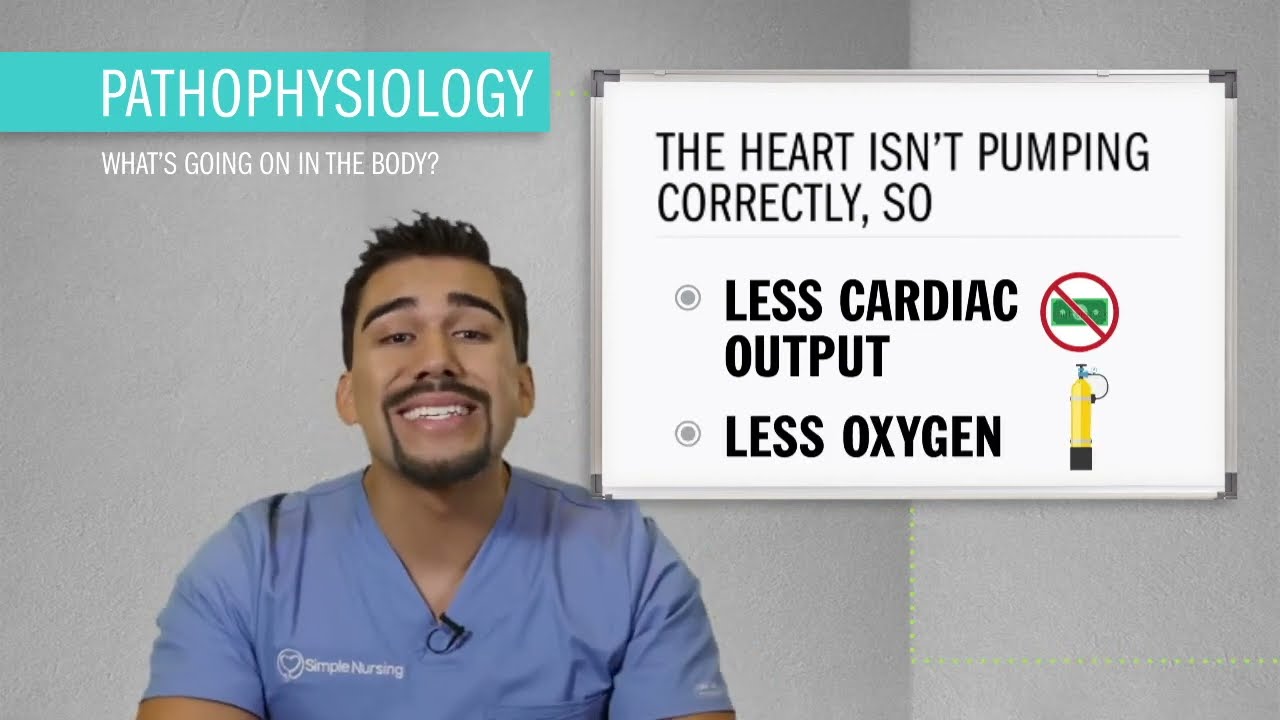
3rd Degree Heart Block, also known as Complete Heart Block, is a serious cardiac condition where the electrical signals that control the heartbeat are completely blocked from reaching the ventricles. This results in the atria and ventricles beating independently of each other, leading to a disorganized and inefficient heart rhythm. Understanding this condition is crucial for both medical professionals and patients, as it can have significant implications for heart health and overall well-being.
Anatomy and Physiology of the Heart
To comprehend 3rd Degree Heart Block, it's essential to have a basic understanding of the heart's anatomy and electrical conduction system:
- Heart Chambers: The heart consists of four chambers – two atria (upper chambers) and two ventricles (lower chambers).
- Electrical Conduction System: The heart's rhythm is controlled by electrical impulses that originate in the sinoatrial (SA) node, travel through the atrioventricular (AV) node, and then spread to the ventricles via the His-Purkinje system.
In a healthy heart, these electrical signals ensure that the atria contract first, followed by the ventricles, allowing for efficient blood flow.
What is 3rd Degree Heart Block?
In 3rd Degree Heart Block, the electrical signals from the atria are completely blocked from reaching the ventricles. This results in:
- Independent Contraction: The atria and ventricles contract independently, leading to a lack of coordination.
- Bradycardia: The ventricles often beat at a much slower rate than normal, a condition known as bradycardia.
- Inefficient Blood Flow: The lack of coordination between the atria and ventricles can lead to reduced cardiac output and inefficient blood circulation.
Causes of Complete Heart Block
Several factors can lead to the development of 3rd Degree Heart Block, including:
- Congenital Heart Defects: Some individuals are born with abnormalities in the heart's electrical conduction system.
- Heart Disease: Conditions such as coronary artery disease, myocardial infarction, and cardiomyopathy can damage the heart's electrical pathways.
- Medications: Certain drugs, particularly those used to treat heart conditions, can interfere with electrical conduction.
- Surgical Complications: Heart surgery can sometimes result in damage to the conduction system.
- Age-Related Changes: Degenerative changes in the heart's conduction system can occur with aging.
Symptoms of 3rd Degree Heart Block
The symptoms of Complete Heart Block can vary depending on the severity of the condition and the individual's overall health. Common symptoms include:
- Fatigue: Due to reduced cardiac output and poor circulation.
- Dizziness or Lightheadedness: Resulting from inadequate blood flow to the brain.
- Shortness of Breath: Caused by insufficient oxygen delivery to the body.
- Chest Pain: May occur if the heart is under strain.
- Syncope (Fainting): A sudden drop in heart rate can lead to fainting episodes.
Diagnosis
Diagnosing 3rd Degree Heart Block typically involves:
- Electrocardiogram (ECG): An ECG is the primary tool used to diagnose heart block. It records the electrical activity of the heart and can reveal the characteristic patterns of Complete Heart Block.
- Holter Monitor: A portable ECG device worn for 24-48 hours to capture intermittent heart block episodes.
- Echocardiogram: An ultrasound of the heart to assess its structure and function.
Treatment Options
Treatment for 3rd Degree Heart Block focuses on restoring a normal heart rhythm and ensuring adequate blood flow. Options include:
- Pacemaker: The most common treatment is the implantation of a pacemaker, a device that regulates the heart's electrical activity.
- Medication: While medications are not typically effective for Complete Heart Block, they may be used to manage associated conditions.
- Lifestyle Changes: Patients are often advised to adopt heart-healthy habits, such as regular exercise, a balanced diet, and avoiding smoking.
Prognosis and Management
With appropriate treatment, individuals with 3rd Degree Heart Block can lead normal, active lives. Regular follow-up with a cardiologist is essential to monitor the condition and ensure the pacemaker is functioning correctly. Additionally, patients should be aware of any new or worsening symptoms and seek medical attention promptly.