Anal Fissures
These are small tears in the lining of the anal canal. They may crack and bleed, causing pain and itchiness. Warm baths and topical ointments may be helpful.
Videos
Anal fissures| USMLE Step, NCLEX, COMLEX
Tight muscles and Anal fissures
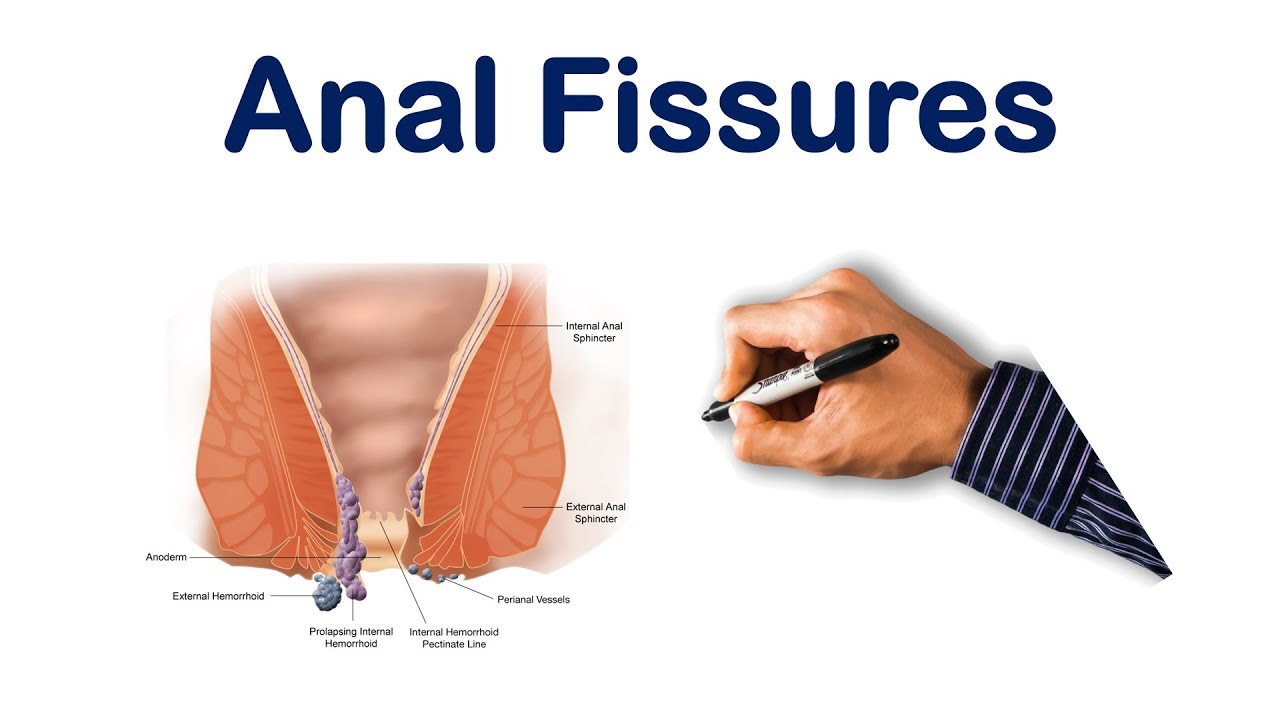
What’s the difference between hemorrhoids and anal fissures?
How to get rid of anal fissures
Understanding Anal Fissures
Anal fissures are a common yet often painful condition that affects many individuals. They are small tears in the lining of the anus, which can cause discomfort and bleeding during bowel movements. Understanding the causes, symptoms, and treatment options for anal fissures can help individuals manage this condition effectively.
Causes of Anal Fissures
Anal fissures can occur due to a variety of reasons, often related to trauma or irritation to the anal canal. Some common causes include:
- Constipation: Straining during bowel movements can lead to tears in the anal lining.
- Diarrhea: Frequent loose stools can irritate the anal canal, leading to fissures.
- Childbirth: The pressure and strain during delivery can cause anal fissures in women.
- Anal Intercourse: This can sometimes result in tears in the anal lining.
- Inflammatory Bowel Diseases: Conditions like Crohn's disease can increase the risk of developing anal fissures.
- Tight Anal Sphincter Muscles: Increased tension in these muscles can lead to fissures.
Symptoms of Anal Fissures
The symptoms of anal fissures can vary in intensity but often include:
- Pain: A sharp, burning pain during and after bowel movements is the most common symptom.
- Bleeding: Bright red blood on toilet paper or in the toilet bowl is a typical sign.
- Itching or Irritation: The area around the anus may feel itchy or irritated.
- Visible Tear: In some cases, a small tear or crack may be visible around the anus.
- Spasms: Some individuals experience muscle spasms in the anal region.
Diagnosis of Anal Fissures
Diagnosing anal fissures typically involves a physical examination by a healthcare provider. The doctor may:
- Conduct a Visual Inspection: This involves examining the anal area for visible tears or cracks.
- Perform a Digital Rectal Exam: A gloved finger is used to feel for abnormalities in the anal canal.
- Use an Anoscope: This instrument allows the doctor to view the anal canal more clearly.
In some cases, additional tests may be required to rule out other conditions, such as hemorrhoids or inflammatory bowel disease.
Treatment Options for Anal Fissures
Treatment for anal fissures aims to relieve symptoms and promote healing. Options include:
Home Remedies
- Dietary Changes: Increasing fiber intake can help soften stools and reduce straining.
- Hydration: Drinking plenty of water can prevent constipation.
- Warm Sitz Baths: Soaking the anal area in warm water can relieve pain and promote healing.
- Topical Treatments: Over-the-counter creams and ointments can reduce pain and inflammation.
Buckthorn is used internally for constipation and for bowel movement relief in cases of anal fissures. Common comfrey is also used. Blond psyllium is used as a laxative and for softening stools in people with anal fissures. Red Peony / Common Peony used for anal fissures associated with hemorrhoids.
Medical Treatments
- Prescription Ointments: Medications like nitroglycerin or calcium channel blockers can help relax the anal sphincter and improve blood flow.
- Botox Injections: These can temporarily paralyze the anal sphincter muscles, reducing spasms and promoting healing.
- Surgery: In severe cases, a procedure called lateral internal sphincterotomy may be performed to reduce muscle tension and allow the fissure to heal.
Prevention of Anal Fissures
Preventing anal fissures involves adopting habits that promote healthy bowel movements and reduce strain on the anal canal. Some preventive measures include:
- Maintaining a High-Fiber Diet: Consuming fruits, vegetables, and whole grains can help prevent constipation.
- Staying Hydrated: Adequate fluid intake is essential for soft stools.
- Regular Exercise: Physical activity can promote regular bowel movements.
- Avoiding Straining: Taking time during bowel movements and avoiding excessive straining can prevent tears.
- Practicing Good Hygiene: Keeping the anal area clean and dry can reduce irritation.
When to Seek Medical Attention
While many anal fissures heal on their own with home care, it is important to seek medical attention if:
- Symptoms persist for more than a few weeks.
- There is severe pain or bleeding.
- You experience recurrent fissures.
- There are signs of infection, such as fever or pus.
Articles/Studies
Cayenne increases the symptoms of acute anal fissure and should be avoided.
A mixture of honey, olive oil and beeswax is safe and effective for hemorrhoids and anal fissure.