Adipocytes / Adipocyte
Return to Cellular Biology Menu
Stem cells form adipocytes, including extracellular factors such as the bone morphogenetic proteins, transforming growth factor, insulin-like growth factor 1, interleukin 17, fibroblast growth factor 1 FGF2 and activin. Emodin is an anthraquinone present in aloe latex proven inhibitory effects on adipocyte differentiation which influence adipogenic pathways.
Insulin slows down the rate that mitochondria are working in a fat cell, eventually priming that fat cell to store energy rather than use it. In contrast, if insulin is low and ketones are elevated, that's stimulating the metabolic rate. The cell starts burning through fat, and glucose, just for the sake of producing heat.
Videos
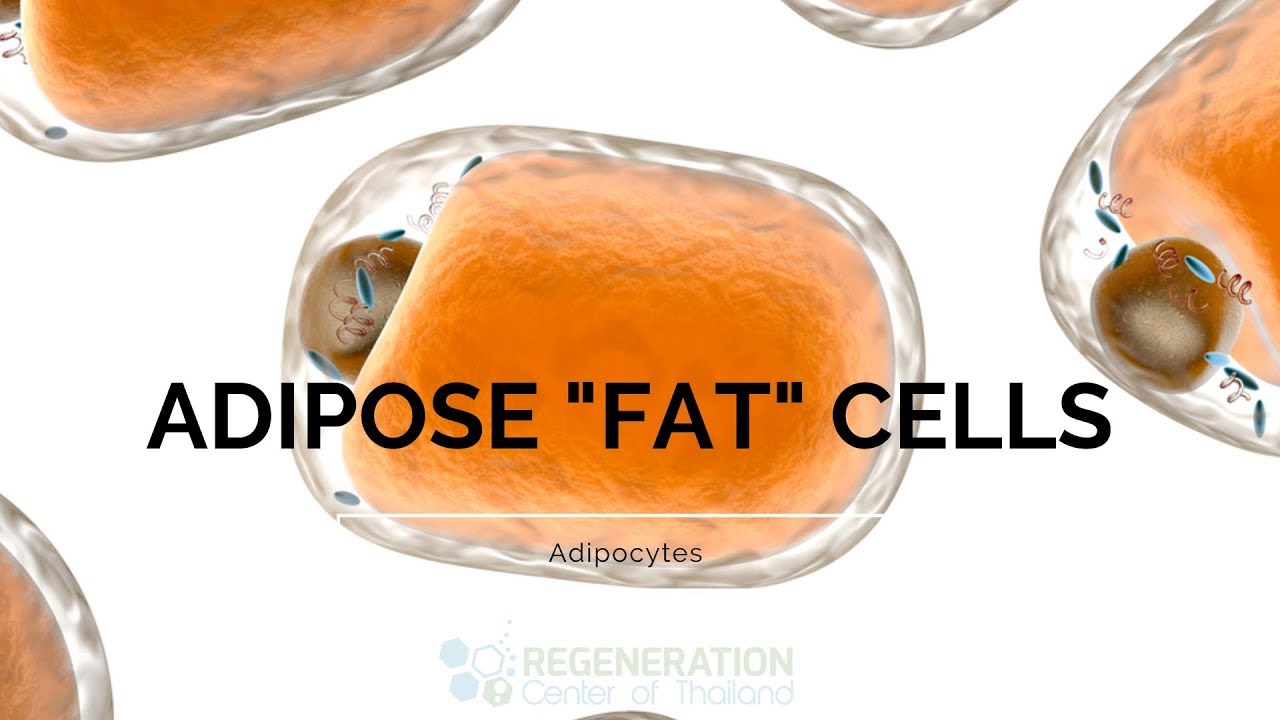
Animation of growing fat cell
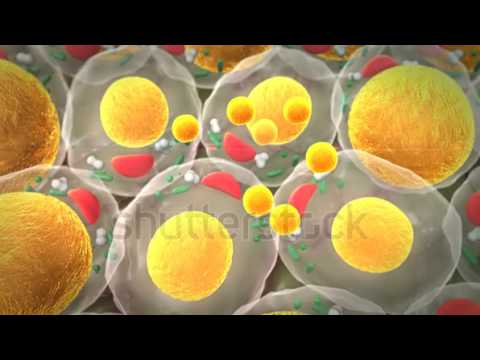
Fat Cells can Move

Can you get rid of fat cells?

Transcriptional Control of Adipose Tissue Phenotype
Tapping Adipocyte Progenitors to Tip the Balance Between Beige and Fibrotic Fat
How Sugar Creates New Fat Cells is Mind Blowing Science!
YOUR FAT Has Stem Cells! The Beginning of Fat Gain
The Secret Lives of Fat Cells: Implications for Cancer, Diabetes and Cardiovascular Disease
Adipocytes, commonly known as fat cells, are specialized cells that play a crucial role in energy storage and metabolism. These cells are primarily responsible for storing energy in the form of lipids, which can be mobilized when the body requires additional energy. Adipocytes are found in adipose tissue, which is distributed throughout the body and serves as an important endocrine organ.
Types of Adipocytes
There are three main types of adipocytes, each with distinct functions and characteristics:
- White Adipocytes: These are the most common type of fat cells and are primarily involved in energy storage. White adipocytes contain a single large lipid droplet, which occupies most of the cell's volume. They also play a role in hormone production, releasing hormones like leptin, which regulates appetite and energy balance.
- Brown Adipocytes: Unlike white adipocytes, brown adipocytes contain multiple small lipid droplets and a high number of mitochondria, which give them their brown color. These cells are primarily involved in thermogenesis, the process of heat production, which is crucial for maintaining body temperature in cold environments. Brown adipocytes are more prevalent in infants and decrease in number with age.
- Beige Adipocytes: Also known as "brite" (brown-in-white) adipocytes, these cells are found within white adipose tissue and can be induced to take on characteristics similar to brown adipocytes under certain conditions, such as cold exposure or specific hormonal signals. Beige adipocytes contribute to thermogenesis and have been a focus of research for their potential role in combating obesity.
Functions of Adipocytes
Adipocytes serve several vital functions beyond energy storage:
- Endocrine Function: Adipocytes secrete various hormones and cytokines, collectively known as adipokines, which play roles in regulating metabolism, inflammation, and insulin sensitivity. Key adipokines include leptin, adiponectin, and resistin.
- Insulation and Protection: Adipose tissue provides insulation to help maintain body temperature and acts as a cushion to protect internal organs from mechanical damage.
- Energy Homeostasis: By storing and releasing lipids, adipocytes help maintain energy balance in the body. During periods of energy surplus, adipocytes store excess energy as fat, and during energy deficit, they release stored energy to meet the body's needs.
Adipocyte Development and Differentiation
Adipocytes originate from mesenchymal stem cells, which can differentiate into various cell types, including adipocytes, osteoblasts, and myocytes. The process of adipocyte differentiation, known as adipogenesis, involves several stages:
- Commitment: Mesenchymal stem cells commit to the adipocyte lineage, becoming preadipocytes.
- Clonal Expansion: Preadipocytes undergo several rounds of cell division.
- Differentiation: Preadipocytes differentiate into mature adipocytes, characterized by the accumulation of lipid droplets and the expression of adipocyte-specific genes.
- Maturation: Mature adipocytes continue to grow and accumulate lipids, becoming fully functional fat cells.
Adipocytes and Health
The balance and function of adipocytes are critical for maintaining metabolic health. Dysregulation of adipocyte function can lead to various health issues, including:
- Obesity: Excessive accumulation of adipose tissue, particularly white adipose tissue, can lead to obesity, which is associated with increased risk of metabolic disorders such as type 2 diabetes, cardiovascular disease, and certain cancers.
- Insulin Resistance: Dysfunctional adipocytes can contribute to insulin resistance, a condition where cells fail to respond effectively to insulin, leading to elevated blood glucose levels.
- Inflammation: Adipocytes can produce pro-inflammatory cytokines, and excessive adipose tissue can contribute to chronic low-grade inflammation, which is linked to various metabolic diseases.
Research and Therapeutic Potential
Research into adipocytes continues to uncover their complex roles in metabolism and disease. Understanding the mechanisms of adipocyte differentiation and function has potential therapeutic implications, particularly in the treatment of obesity and metabolic disorders. Strategies such as promoting the browning of white adipose tissue or enhancing the function of brown and beige adipocytes are being explored as potential interventions to improve metabolic health.
Articles/Studies
Fat Cells: Can’t Live with Them or Without Them
snRNA-seq reveals a subpopulation of adipocytes that regulates thermogenesis