Drummond's False Pennyroyal
Constituents
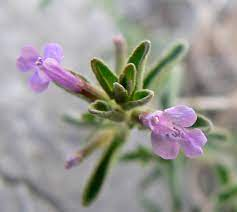
Hedeoma drummondii, commonly known as Drummond's false pennyroyal, is a species of flowering plant in the mint family, Lamiaceae. This perennial herb is native to North America, specifically found in the central and southern regions of the United States and northern Mexico.
Taxonomy and Description
Belonging to the genus Hedeoma, which comprises around 40 species of aromatic herbs, Hedeoma drummondii stands out with its distinctive features. The plant typically grows up to 30 centimeters in height and is characterized by its slender stems, opposite leaves, and clusters of small, tubular lavender to purple flowers. The leaves of Hedeoma drummondii are aromatic when crushed, emitting a pleasant minty fragrance that adds to its allure.
Habitat and Distribution
Hedeoma drummondii thrives in a variety of habitats, including prairies, open woodlands, and rocky slopes. It is often found in dry, sandy soils, where it can withstand drought conditions and compete with other plant species. The distribution of Hedeoma drummondii spans across the central and southern United States, encompassing states such as Texas, Oklahoma, Kansas, and Missouri, as well as extending into northern Mexico.
Ecological Importance
As a native plant species, Hedeoma drummondii plays a vital role in its ecosystem. It serves as a source of nectar and pollen for pollinators such as bees, butterflies, and hummingbirds, contributing to the overall biodiversity of its habitat. Additionally, the aromatic compounds produced by Hedeoma drummondii may act as natural insect repellents, helping to protect the plant from herbivores and pests.
Cultural and Medicinal Uses
Throughout history, various indigenous tribes and cultures have utilized Hedeoma drummondii for its medicinal properties. The plant is known for its aromatic and soothing qualities, with traditional uses including the treatment of respiratory ailments, digestive issues, and headaches. Infusions or teas made from the leaves of Hedeoma drummondii have been used to alleviate symptoms of colds, coughs, and fevers.
Hedeoma drummondii (poleo) has been used by Mexicans to prepare a tea for its pleasant taste. The methanolic extract, polar fractions, and major antioxidant compounds of the Mexican herbal tea obtained from aerial parts of H. drummondii (“poleo”) showed antiproliferative effects against the cancer cell lines MCF-7 (human breast) and HeLa (human cervix). Phenolic acids isolated from poleo have significant antiproliferative effects with caffeic acid the most potent. This evidence suggests that herbal poleo tea may have chemopreventive properties. Source
Antimicrobial activity of Hedeoma drummondii against opportunistic pathogens.
Conservation Status
Despite its ecological and cultural significance, Hedeoma drummondii faces threats from habitat loss, land development, and invasive species. Conservation efforts are crucial to protect the populations of this species and preserve its genetic diversity. Initiatives such as habitat restoration, seed banking, and public awareness campaigns can help safeguard the future of Hedeoma drummondii and other native plant species.
Research and Conservation Challenges
Studying and conserving Hedeoma drummondii present unique challenges due to its specific habitat requirements and limited distribution. Researchers are working to better understand the plant's ecological interactions, genetic diversity, and responses to environmental changes. Conservation efforts must address not only the immediate threats to Hedeoma drummondii but also the broader issues of habitat fragmentation and climate change.