Premature Ejaculation
Low Dopamine & Premature Ejaculation
Ejaculation is the release of semen from the body. Premature ejaculation (PE) is when ejaculation happens sooner than a man or his partner would like during sex. Occasional PE is also known as rapid ejaculation, premature climax or early ejaculation. PE might not be a cause for worry. It can be frustrating if it makes sex less enjoyable and impacts relationships. But if it happens often and causes problems, your health care provider can help.
In the U.S., about 1 in 3 men 18 to 59 years old have problems with PE. The problem is often thought to be psychological, but biology may also play a role. Read more...
Understanding Premature Ejaculation
Premature ejaculation (PE) is a common sexual dysfunction that affects a significant number of men worldwide. It is characterized by ejaculation that occurs sooner than desired, either before or shortly after penetration, leading to distress for one or both partners.
Causes of Premature Ejaculation
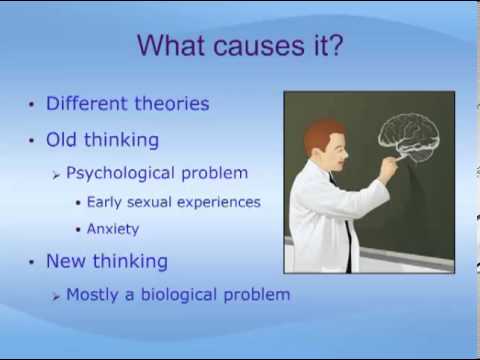
The exact cause of premature ejaculation is not fully understood, but it is believed to be a complex interplay of psychological and biological factors. Some of the potential causes include:
- Psychological Factors: Anxiety, stress, and depression can contribute to PE. Performance anxiety, in particular, can create a cycle of worry and rapid ejaculation.
- Biological Factors: Abnormal hormone levels, neurotransmitter imbalances, and genetic predispositions may play a role. Additionally, certain medical conditions, such as prostatitis or thyroid problems, can contribute to PE.
- Relationship Issues: Problems in a relationship, such as lack of communication or unresolved conflicts, can exacerbate the condition.
Effects on Individuals and Relationships
Premature ejaculation can have a profound impact on both the individual and their partner. Some of the effects include:
- Emotional Distress: Men with PE often experience feelings of embarrassment, guilt, and frustration. This can lead to low self-esteem and avoidance of sexual intimacy.
- Relationship Strain: PE can cause dissatisfaction in a relationship, leading to tension and conflict between partners. It may also affect the partner's sexual satisfaction and emotional connection.
- Reduced Quality of Life: The stress and anxiety associated with PE can spill over into other areas of life, affecting overall well-being and mental health.
Diagnosis and Evaluation
Diagnosing premature ejaculation typically involves a thorough medical and sexual history assessment. Healthcare providers may ask about:
- The frequency and duration of the problem
- The impact on the individual's and partner's sexual satisfaction
- Any underlying medical or psychological conditions
In some cases, additional tests may be conducted to rule out other medical issues.
Treatment Options
There are several treatment options available for managing premature ejaculation, ranging from behavioral techniques to medication. Some of the most common approaches include:
Behavioral Techniques
- Start-Stop Technique: This involves stimulating the penis until the urge to ejaculate is strong, then stopping until the urge subsides. Repeating this process can help increase control over ejaculation.
- Squeeze Technique: Similar to the start-stop method, this involves squeezing the penis just before ejaculation to reduce arousal and delay climax.
- Pelvic Floor Exercises: Strengthening the pelvic floor muscles through exercises like Kegels can improve control over ejaculation.
Medications
- Topical Anesthetics: Creams or sprays containing numbing agents can be applied to the penis to reduce sensation and delay ejaculation.
- Oral Medications: Certain antidepressants, such as selective serotonin reuptake inhibitors (SSRIs), have been found to delay ejaculation as a side effect.
- Phosphodiesterase-5 Inhibitors: Medications like sildenafil (Viagra) may help improve erectile function and delay ejaculation in some men.
Counseling and Therapy
- Cognitive Behavioral Therapy (CBT): This form of therapy can help address the psychological factors contributing to PE, such as anxiety and negative thought patterns.
- Couples Therapy: Working with a therapist can help improve communication and resolve relationship issues that may be contributing to the problem.
Lifestyle Changes and Self-Help Strategies
In addition to professional treatment, certain lifestyle changes and self-help strategies can be beneficial:
- Stress Management: Techniques such as meditation, yoga, and deep breathing can help reduce stress and anxiety.
- Healthy Lifestyle: Regular exercise, a balanced diet, and adequate sleep can improve overall health and sexual function.
- Open Communication: Discussing concerns and preferences with a partner can enhance intimacy and reduce performance pressure.
Experimental study on Satureja montana as a treatment for premature ejaculation.