Interferons
Videos
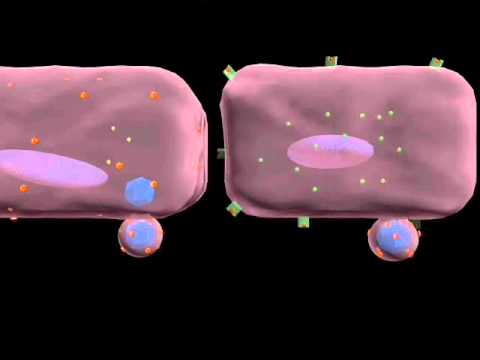
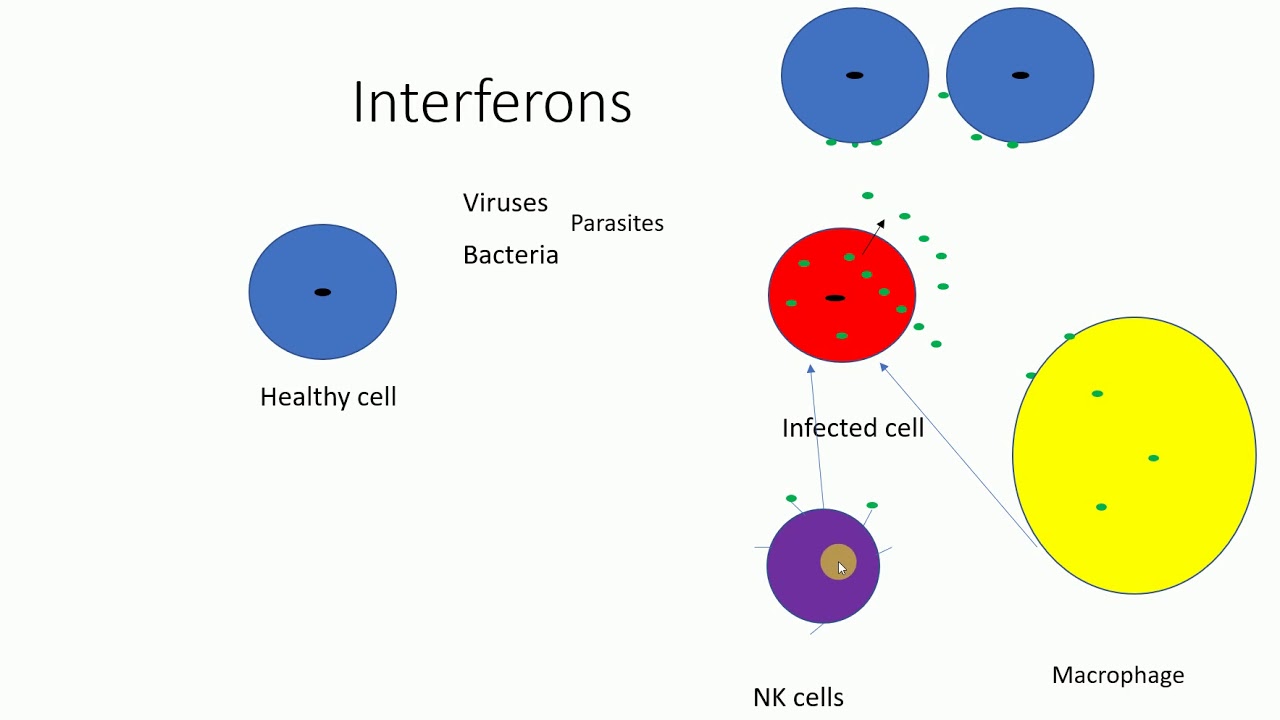
Protection from viral infections
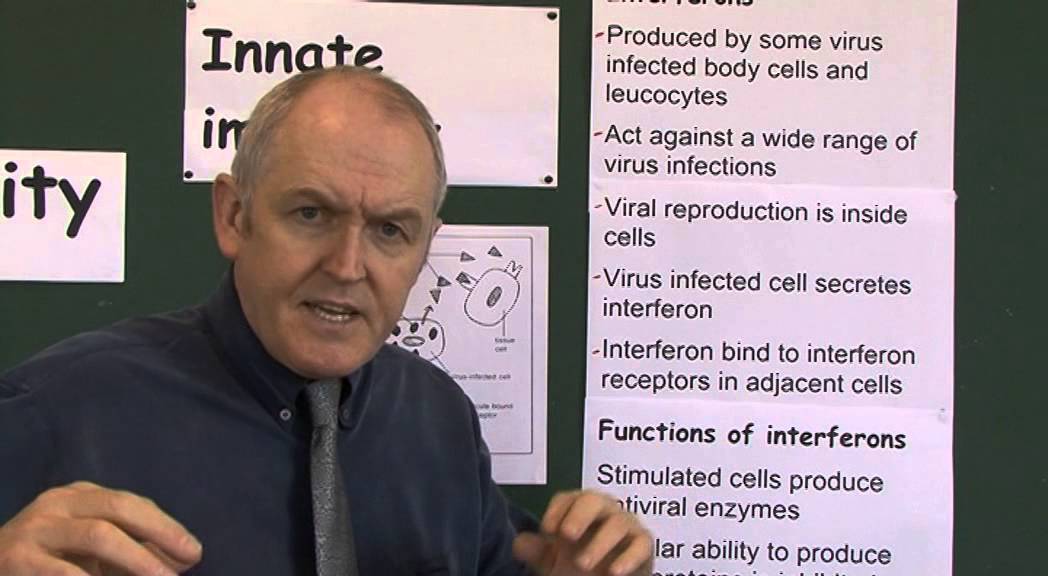
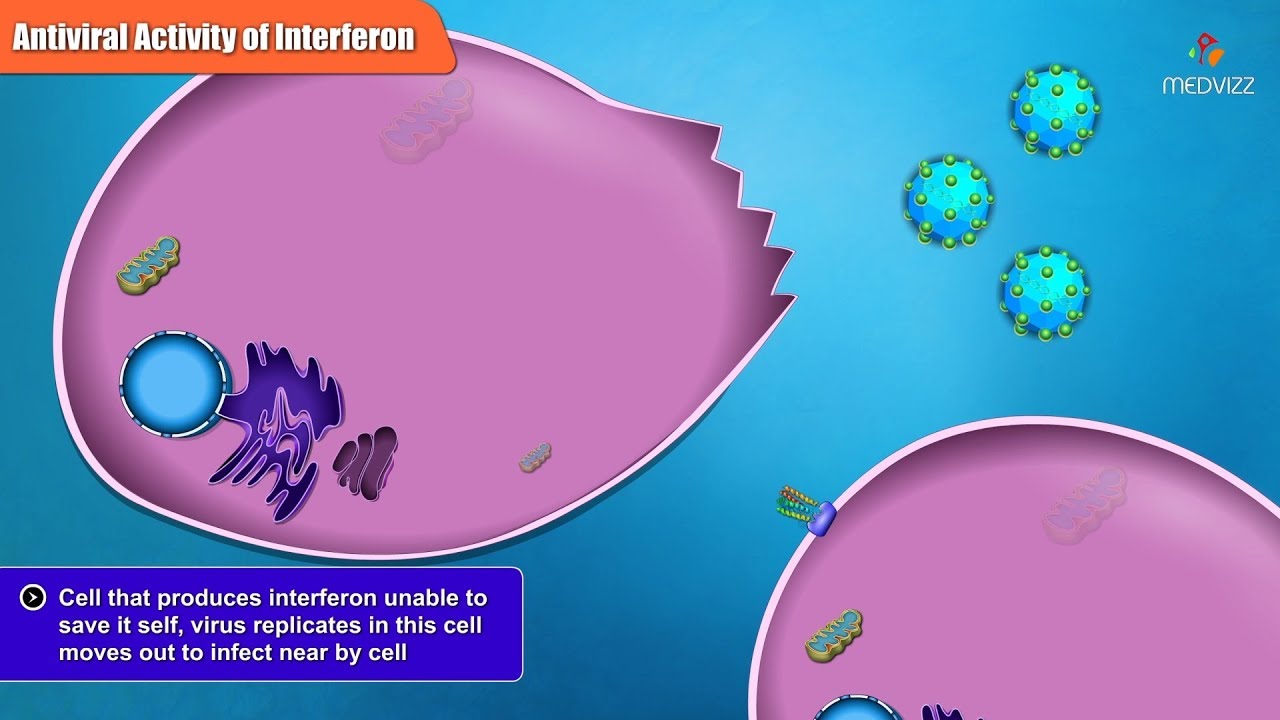
Viral Threats to Humankind: Antivirals and Lessons Learned from Interferons
New players in the STING-Interferon pathway of anti-viral and anti-tumor defense
IFNs are immunostimulatory cytokines secreted from infected cells and nearby immune cells that induce the expression of hundreds of antiviral genes. They possess diverse roles including chemoattraction, immune cell activation, and direct antiviral activity.
IFNs stimulate an influx of zinc into the target cell, as is the case with some inflammatory cytokines such as IL-6, which in turn drives metallothionein expression.
Type I interferon is a potent substance. As such, the induction, transmission, and resolution of the type I interferon–mediated immune response are tightly regulated. As defined, the type I interferonopathies represent discrete examples of a disturbance of the homeostatic control of this system caused by Mendelian mutations. Considering the complexity of the interferon response, the identification of further monogenic diseases belonging to this disease grouping seems likely, with the recognition of type I interferonopathies becoming of increasing clinical importance as treatment options are developed based on an understanding of disease pathology and innate immune signaling. Definition of the type I interferonopathies indicates that autoinflammation can be both interferon and noninterferon related, and that a primary disturbance of the innate immune system can “spill over” into autoimmunity in some cases. Indeed, that several non-Mendelian disorders, most particularly systemic lupus erythematosus and dermatomyositis, are also characterized by an up-regulation of type I interferon signaling suggests the possibility that insights derived from this work will have relevance to a broader field of clinical medicine.
How do medicinal herbs influence interferons?
- Induction of interferon production:
- Some herbs directly stimulate the production of type I interferons (IFNα and IFNβ) in immune cells13.
- For example, a mixture of herbal extracts called internatural (INT) potently induces type I IFNs in macrophages, dendritic cells, and fibroblasts 2 3.
- Activation of interferon signaling pathways:
- Certain herbs activate interferon-related signaling pathways, such as the Toll-like receptor 4 (TLR4) pathway 2 3.
- INT induces type I IFN gene expression through the TLR4 and TRIF/MyD88 pathway 3.
- Enhancement of interferon effects:
- Some herbal extracts, like aloe and kelp, have been reported to enhance the potencies of interferons3.
- Antiviral activity:
- Herbal extracts that induce interferons can provide protection against viral infections 2 3.
- Supernatants from INT-treated cells displayed antiviral activity and protected cells from encephalomyocarditis virus infection 2.
- Synergistic effects with interferons:
- Some Chinese herbal medicines, when combined with interferon treatments, can enhance therapeutic outcomes. For instance, bufotoxin combined with interferon alfa significantly increased HBeAg and HBV DNA seroreversion in chronic hepatitis B treatment 6.
- Modulation of interferon-related genes:
- Certain herbs, like huanglian, have been shown to increase the synthesis of IFN-β in cancer cells, potentially contributing to their antiproliferative effects 5.