Moonflower
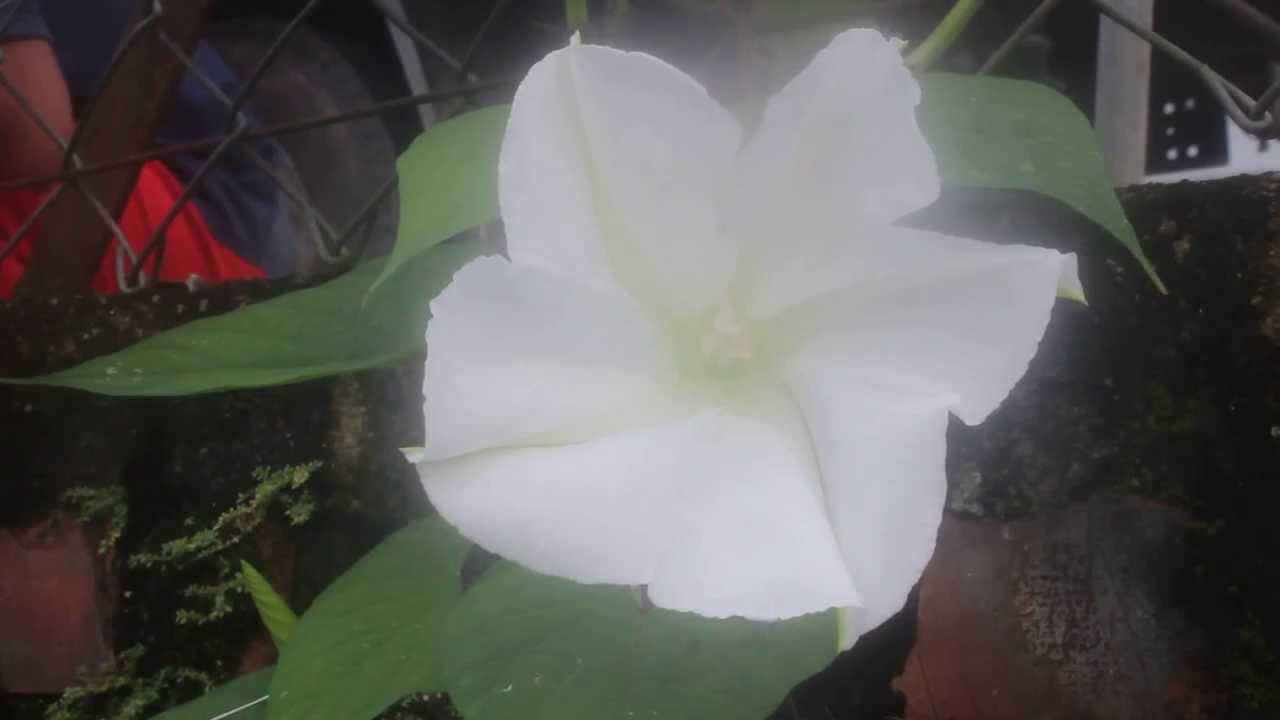
Ipomea alba, commonly known as the moonflower, is a flowering plant that belongs to the family Convolvulaceae. This nocturnal beauty is native to the Americas and is renowned for its stunning white blooms that unfurl in the evening, emitting a sweet fragrance that attracts pollinators under the moonlight.
Characteristics of Ipomea alba
The moonflower is a fast-growing vine that can reach impressive heights, often climbing up to 15 to 30 feet. Its heart-shaped leaves are a vibrant green, providing a lush backdrop to the luminous white flowers that bloom at night. The flowers of Ipomea alba are large, trumpet-shaped, and can measure up to 6 inches in diameter, creating a striking contrast against the dark night sky. These blooms open in the evening and remain open until the following morning, withering as the sun rises.
One of the most captivating features of Ipomea alba is its fragrance. The flowers release a sweet, intoxicating scent that is most potent during the night, attracting a variety of nocturnal pollinators such as moths and bats. This adaptation ensures successful pollination and the continuation of the species, highlighting the intricate relationship between the moonflower and its pollinators.
Cultivation of Ipomea alba
Cultivating Ipomea alba can be a rewarding experience for gardeners looking to add a touch of magic to their outdoor spaces. Moonflowers thrive in warm climates and prefer full sun to partial shade. They require well-draining soil and regular watering to support their rapid growth. Planting moonflower seeds directly in the ground or starting them indoors before transplanting can both be successful methods of propagation.
To encourage optimal growth and blooming, it is essential to provide support for the vine to climb. Trellises, arbors, or fences can serve as ideal structures for the moonflower to twine around and reach for the stars. Regular pruning can help control the plant's growth and shape, ensuring a tidy and well-manicured appearance in the garden.
Moonflowers are relatively low-maintenance plants but may benefit from occasional fertilization to promote healthy growth and abundant flowering. Organic fertilizers or a balanced fertilizer applied according to package instructions can provide the necessary nutrients for vigorous plant development.
Significance of Ipomea alba
Beyond its ornamental beauty, Ipomea alba holds cultural and symbolic significance in various traditions. In some cultures, the moonflower is associated with love, romance, and spirituality, often featured in rituals and ceremonies celebrating these themes. The ephemeral nature of the moonflower's blooms, opening only at night and fading with the dawn, symbolizes the fleeting beauty and transience of life.
In addition to its symbolic meanings, Ipomea alba also plays a practical role in the ecosystem as a valuable food source for nocturnal pollinators. Moths, in particular, are attracted to the moonflower's nectar, aiding in pollination and contributing to the biodiversity of the surrounding environment. By cultivating moonflowers in gardens and green spaces, individuals can support local pollinator populations and promote a healthy ecosystem.