Caley Pea
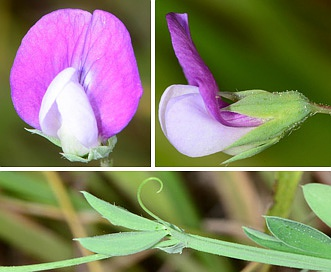
Caley Pea, scientifically known as Lathyrus hirsutus, is a plant species belonging to the legume family, Fabaceae. This annual herb is native to Europe and Asia but has been introduced to various parts of North America, where it has adapted well to different environmental conditions. Known for its resilience and nitrogen-fixing abilities, Caley Pea plays a significant role in agriculture and ecology.
Botanical Description
Caley Pea is characterized by its climbing or sprawling growth habit, often reaching heights of 1 to 3 feet. The plant has slender, hairy stems that can either stand erect or trail along the ground. Its leaves are pinnate, typically composed of two to four pairs of leaflets, with a terminal tendril that aids in climbing. The leaflets are oblong to lanceolate, measuring about 1 to 2 inches in length, and are covered with fine hairs, giving them a slightly rough texture.
The flowers of Caley Pea are small but striking, usually appearing in shades of blue, purple, or pink. They are arranged in loose clusters, known as racemes, and each flower measures about 0.5 to 1 inch in diameter. The blooming period typically occurs from late spring to early summer, depending on the climate.
Habitat and Distribution
Caley Pea thrives in a variety of habitats, including grasslands, meadows, roadsides, and disturbed areas. It prefers well-drained soils and can tolerate a range of soil types, from sandy to clayey. The plant is often found in regions with temperate climates but can also adapt to subtropical environments.
In North America, Caley Pea has been introduced primarily for its agricultural benefits. It is commonly found in the eastern and central United States, as well as parts of Canada. The plant's ability to fix nitrogen makes it valuable for improving soil fertility, especially in areas with poor soil quality.
Ecological Importance
One of the most notable features of Caley Pea is its nitrogen-fixing capability. Like other legumes, it forms a symbiotic relationship with nitrogen-fixing bacteria in its root nodules. This process converts atmospheric nitrogen into a form that plants can use, enriching the soil and reducing the need for synthetic fertilizers. As a result, Caley Pea is often used in crop rotation and cover cropping systems to enhance soil health and productivity.
Additionally, Caley Pea provides habitat and food for various wildlife species. Its flowers attract pollinators such as bees and butterflies, while its seeds are consumed by birds and small mammals. The plant's dense foliage also offers shelter for insects and other small creatures.
Agricultural Uses
Caley Pea is valued in agriculture for several reasons:
- Soil Improvement: Its nitrogen-fixing ability helps improve soil fertility, making it a beneficial cover crop.
- Erosion Control: The plant's extensive root system helps stabilize soil, reducing erosion in vulnerable areas.
- Forage: Caley Pea can be used as forage for livestock, providing a nutritious source of protein.
- Green Manure: When incorporated into the soil, the plant adds organic matter, enhancing soil structure and nutrient content.
Farmers often plant Caley Pea in rotation with other crops to break pest and disease cycles, improve soil health, and increase overall farm productivity.
Potential Challenges
Despite its benefits, Caley Pea can pose some challenges:
- Invasiveness: In some regions, Caley Pea can become invasive, outcompeting native vegetation and altering ecosystems.
- Toxicity: The seeds of Caley Pea contain compounds that can be toxic to humans and animals if consumed in large quantities. Proper management and awareness are essential to mitigate this risk.