Glutamine
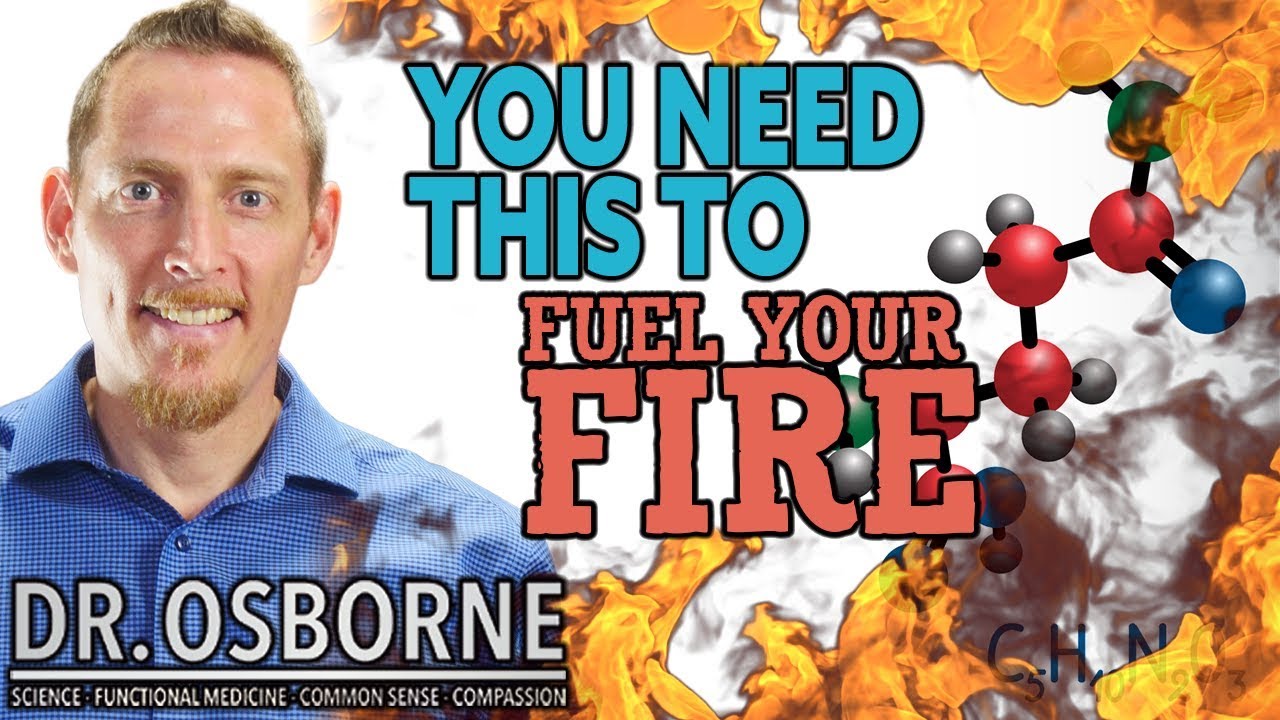
Fuel for rapidly dividing cells. A conditionally essential amino acid which only appears to benefit the body as supplementation when otherwise deficient (vegans, vegetarians with low dairy intake) or during prolonged endurance exercise. Anecdotally reported to reduce sugar cravings.
How do cells sense glutamine and control their autophagy and activation?
Glutamine: recent developments in research on the clinical significance of glutamine
Cancer is well known to gobble up glutamine. Its metabolized in mitochondria.
Macrophage-derived glutamine boosts satellite cells and muscle regeneration
Wikipedia
Glutamine (abbreviated as Gln or Q; encoded by the codons CAA and CAG) is an α-amino acid that is used in the biosynthesis of proteins. It contains an α-amino group (which is in the protonated −NH3+ form under biological conditions), an α-carboxylic acid group (which is in the deprotonated −COO− form under biological conditions), and a side chain amide which replaces the side chain hydroxylof glutamic acid with an amine functional group, classifying it as a charge neutral, polar (at physiological pH) amino acid. It is non-essential and conditionally essential in humans, meaning the body can usually synthesize sufficient amounts of it, but in some instances of stress, the body's demand for glutamine increases and glutamine must be obtained from the diet.
In human blood, glutamine is the most abundant free amino acid.
Functions
Glutamine plays a role in a variety of biochemical functions:
- Protein synthesis, as any other of the 20 proteinogenic amino acids
- Lipid synthesis, especially by cancer cells.
- Regulation of acid-base balance in the kidney by producing ammonium
- Cellular energy, as a source, next to glucose
- Nitrogen donation for many anabolic processes, including the synthesis of purines
- Carbon donation, as a source, refilling the citric acid cycle
- Nontoxic transporter of ammonia in the blood circulation
- Precursor to the neurotransmitter glutamate
On the level of tissue, glutamine plays a role in maintaining the normal integrity of the intestinal mucosa.
Producers
Glutamine is synthesized by the enzyme glutamine synthetase from glutamate and ammonia. The most relevant glutamine-producing tissue is the muscle mass, accounting for about 90% of all glutamine synthesized. Glutamine is also released, in small amounts, by the lungs and brain. Although the liver is capable of relevant glutamine synthesis, its role in glutamine metabolism is more regulatory than producing, since the liver takes up large amounts of glutamine derived from the gut.
Consumers
The most eager consumers of glutamine are the cells of intestines,[5] the kidney cells for the acid-base balance, activated immune cells, and many cancer cells.
Uses
Nutrition
Glutamine is the most abundant naturally occurring, nonessential amino acid in the human body, and one of the few amino acids that can directly cross the blood–brain barrier. Humans obtain glutamine through catabolism of proteins in foods they eat. In states where tissue is being built or repaired, like growth of babies, or healing from wounds or severe illness, glutamine becomes conditionally essential.
Sickle cell disease
In 2017 it was approved by the FDA to prevent complications in sickle cell disease.
Medical food
Glutamine is marketed as medical food and is prescribed when a medical professional believes a person in their care needs supplementary glutamine due to metabolic demands beyond what can be met by endogenous synthesis or diet.
Safety
Glutamine is safe in adults and in preterm infants. Although glutamine is metabolized to glutamate and ammonia, both of which have neurological effects, their concentrations are not increased much, and no adverse neurological effects were detected. The observed safe level for supplemental L-glutamine in normal healthy adults is 14 g/day.
Adverse effects of glutamine have been described for people receiving home parenteral nutrition and those with liver-function abnormalities. Although glutamine has no effect on the proliferation of tumor cells, it is still possible that glutamine supplementation may be detrimental in some cancer types.
Ceasing glutamine supplementation in people adapted to very high consumption may initiate a withdrawal effect, raising the risk of health problems such as infections or impaired integrity of the intestine.
Research
Glutamine mouthwash may be useful to prevent oral mucositis in people undergoing chemotherapy but intravenous glutamine does not appear useful to prevent mucositis in the GI tract.
Glutamine supplementation was thought to have potential to reduce complications in people who are critically ill or who have had abdominal surgery but this was based on poor quality clinical trials. Supplementation does not appear to be useful in adults or children with Crohns disease or inflammatory bowel disease but clinical studies as of 2016 were underpowered.Supplementation does not appear to have an effect in infants with significant problems of the stomach or intestines.
The US Food and Drug Administration (FDA) has approved L-glutamine oral powder (Endari, Emmaus Medical Inc) to reduce severe complications of sickle cell disease in patients aged 5 years and older with the disorder. This is the first approval for the rare disorder in almost 20 years