CNS- Central Nervous System
Return to Nervous System Menu
Videos
Overview of the Central Nervous System

Impact of Central Nervous System on Health
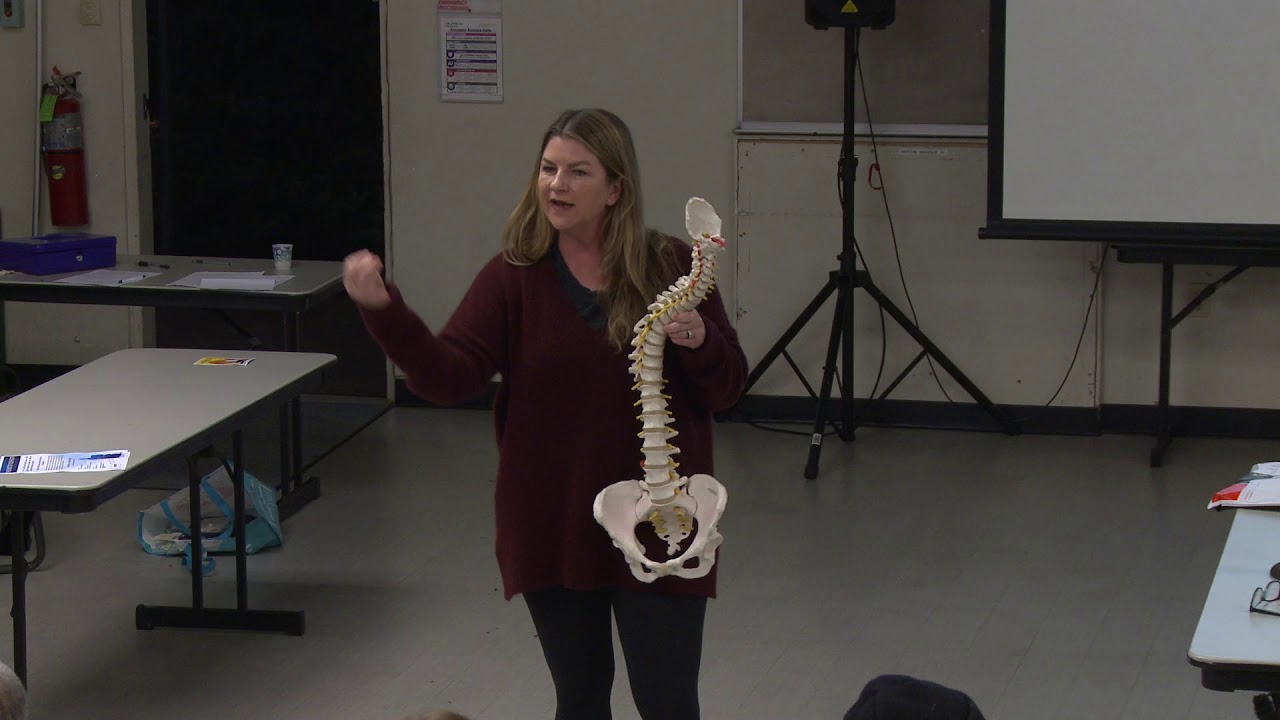
Bioengineering Early CNS Morphogenesis with Randolph Ashton
Novel detection system for prognosis of CNS diseases: unveiling the EV Neuro assay
7 Ways to Restore
The Central Nervous System (CNS) is a complex network that plays a crucial role in controlling and coordinating the functions of the human body. Comprised of the brain and spinal cord, the CNS serves as the command center for all bodily activities. This article aims to provide a comprehensive overview of the CNS and its various components.
Anatomy of the CNS
The Brain
At the core of the CNS lies the brain, an intricate organ responsible for processing information, regulating emotions, and controlling bodily functions. Divided into different regions, each with its specific functions, the brain ensures the smooth operation of the entire body. These regions include the cerebrum, cerebellum, and brainstem.
The cerebrum, forming the largest part of the brain, governs cognitive functions, such as speech, memory, and problem-solving. It is further divided into two hemispheres, each responsible for controlling the opposite side of the body.
The cerebellum, located at the back of the brain, primarily oversees motor movements, balance, and coordination. Its intricate structure enables us to perform complex actions with remarkable precision.
Finally, the brainstem, connecting the brain to the spinal cord, regulates vital bodily functions such as breathing, heart rate, and blood pressure. It also serves as a relay station for information traveling between the brain and the rest of the body.
The Spinal Cord
Running from the base of the brain to the lower back, the spinal cord serves as a pathway for transmitting signals between the brain and the body. Protected by the vertebral column, the spinal cord carries sensory information from the body to the brain and relays motor commands from the brain to the muscles and organs.
Functions of the CNS
The CNS is responsible for an array of vital functions that allow us to interact with the world around us. These include:
- Sensory Processing: The CNS receives and interprets sensory information from the body's various systems, such as touch, sight, sound, taste, and smell. It enables us to perceive and make sense of our environment.
- Motor Control: The CNS initiates and regulates voluntary and involuntary movements, allowing us to walk, talk, and perform intricate tasks. It also coordinates reflex actions, which are rapid and automatic responses to stimuli.
- Cognition and Emotion: The CNS plays a pivotal role in cognition, encompassing processes such as learning, memory, attention, and problem-solving. Additionally, it regulates emotional responses and influences behavior.
- Homeostasis: The CNS maintains the body's internal balance by regulating essential functions such as body temperature, blood pressure, and fluid balance. It ensures optimal conditions for bodily processes to occur.
Disorders of the CNS
Numerous disorders can affect the CNS, resulting in significant health implications. Some common disorders include:
- Stroke: A stroke occurs when the blood supply to the brain is disrupted, leading to brain cell damage. This can result in motor, sensory, or cognitive impairments.
- Multiple Sclerosis: A chronic autoimmune disease, multiple sclerosis affects the protective covering of nerve fibers in the CNS, causing communication problems between the brain and the rest of the body. Symptoms can range from mild to severe and may include fatigue, muscle weakness, and difficulty with coordination and balance.
- Alzheimer's Disease: This progressive neurodegenerative disorder primarily affects memory, thinking, and behavior. It is characterized by the accumulation of abnormal protein deposits in the brain and can have a profound impact on a person's daily life.
- Parkinson's Disease: Parkinson's disease is a neurodegenerative disorder that affects movement. It is caused by the loss of dopamine-producing cells in the brain and is characterized by tremors, stiffness, and difficulty with balance and coordination.
Conclusion
The Central Nervous System is a remarkable network that enables us to perceive, interact with, and understand the world around us. Comprising the brain and spinal cord, it controls and coordinates various bodily functions, ensuring our overall well-being. Understanding the complexities of the CNS is crucial in diagnosing and treating disorders that can significantly impact an individual's quality of life.