Scientific Method
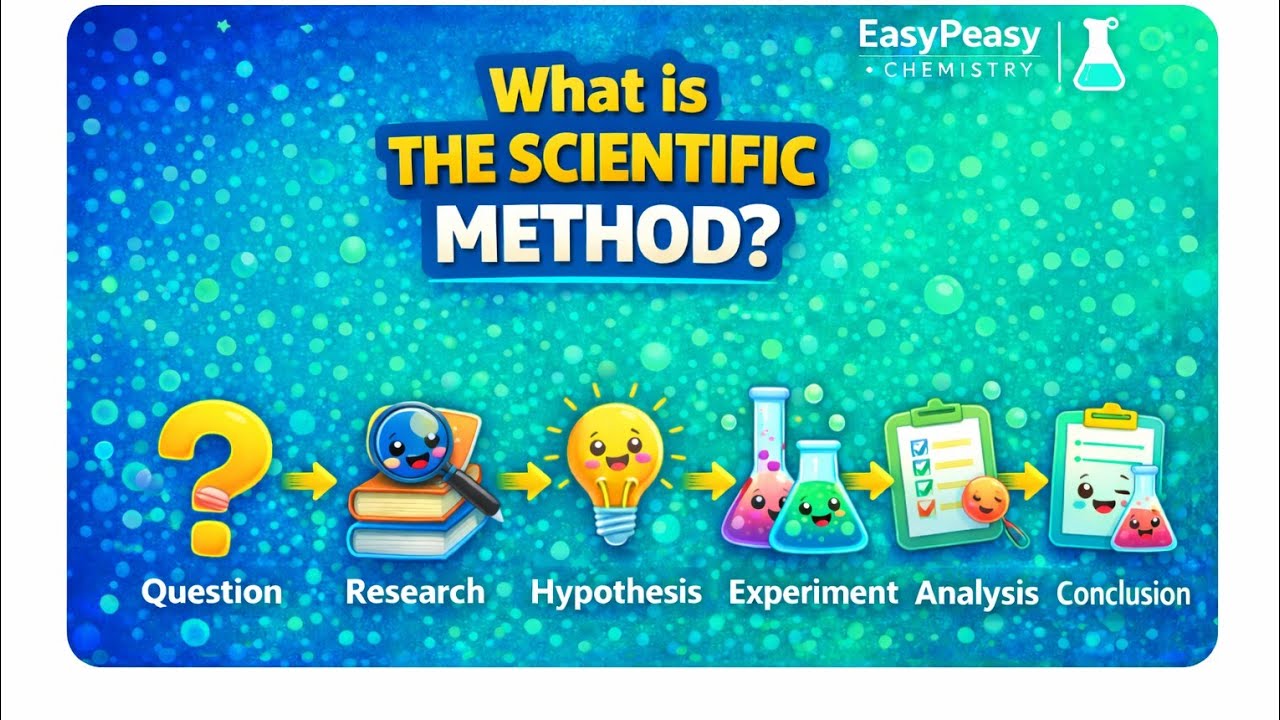
The scientific method is a systematic approach to exploring phenomena, acquiring new knowledge, or correcting and integrating previous knowledge. It is foundational to scientific inquiry and is used across various disciplines to ensure the reliability and validity of the information gathered. The method involves a series of steps designed to promote objectivity, limit biases, and provide a clear pathway from observation to conclusion.
Steps of the Scientific Method
- Observation: The process begins with observing something intriguing or noting a particular phenomenon that raises curiosity. This step involves gathering data through the senses or instruments and recognizing patterns or anomalies that warrant further investigation.
- Question: Once an observation is made, the next step is to formulate a question that seeks to explain the phenomenon. This question should be specific, measurable, and researchable, laying the groundwork for the investigation.
- Hypothesis: A hypothesis is an educated guess that offers a plausible explanation for the observed phenomenon. It is a testable statement that predicts an outcome based on the question posed. A good hypothesis is clear, concise, and establishes a relationship between variables.
- Experiment: The hypothesis is tested through experimentation. This step involves designing a controlled experiment to test the hypothesis under specific conditions. Variables are manipulated and measured to determine if they produce the expected outcome. It's crucial to have a control group and ensure that experiments are repeatable and unbiased.
- Data Collection and Analysis: During the experiment, data is collected systematically. This data is then analyzed to determine whether it supports or refutes the hypothesis. Statistical tools and software are often used to interpret the data, highlighting trends, correlations, or significant differences.
- Conclusion: Based on the analysis, a conclusion is drawn. This step determines whether the hypothesis was correct. If the hypothesis is supported, it can be used to explain the phenomenon; if not, it may be revised or rejected, leading to further inquiries.
- Communication: Communicating the results is an essential part of the scientific method. Scientists share their findings with the broader community through publications, presentations, or discussions. This transparency allows for peer review, replication, and further exploration by other researchers.
Importance of the Scientific Method
The scientific method is crucial for several reasons:
- Objectivity: By following a structured approach, the scientific method minimizes personal biases and subjective influences, leading to more objective and reliable outcomes.
- Reproducibility: The method emphasizes repeatability. Experiments must be replicable by other researchers, ensuring that findings are not due to chance or error.
- Problem Solving: It provides a logical framework for addressing complex problems, enabling scientists to break down issues into manageable parts and systematically explore solutions.
- Advancement of Knowledge: The iterative nature of the scientific method fosters continuous learning and innovation. It encourages the refinement of theories and models, contributing to the advancement of science.
- Cross-Disciplinary Application: Although primarily associated with natural sciences, the scientific method is applicable across various fields, including social sciences, engineering, and medicine, proving its versatility and universal relevance.
Challenges and Limitations
While the scientific method is a powerful tool, it is not without challenges and limitations:
- Complex Systems: Some phenomena are so complex that they defy simple experimental design, making it difficult to isolate variables or control conditions.
- Ethical Considerations: In fields like medicine or psychology, ethical concerns can limit the scope of experimentation, necessitating alternative approaches.
- Incomplete Data: Observations can be limited by technology or resources, leading to incomplete data sets that may affect conclusions.
- Human Error: Despite safeguards, human error in data collection or analysis can lead to flawed results, underscoring the need for meticulous methodology and peer review.