Constipation, Infants
Eliminate dairy, add soaked flax, chia, slippery elm, carob, Irish moss, acidophilus
Rectal Irrigation:
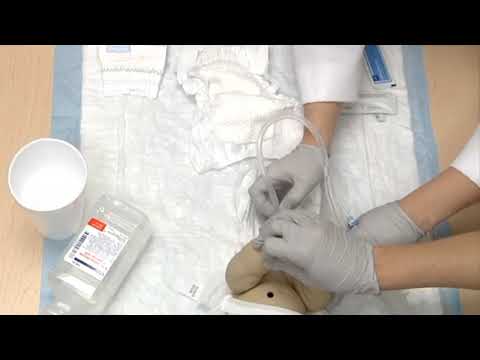
Remedy for newborns

Constipation in infants is a common concern for many parents and caregivers. It can be distressing to see a baby uncomfortable or in pain due to digestive issues.
WHAT IS CONSTIPATION IN INFANTS?
Constipation in infants is characterized by infrequent bowel movements or difficulty passing stools. While the frequency of bowel movements can vary widely among infants, constipation is generally defined by the presence of hard, dry stools that are difficult to pass. It is important to note that the frequency of bowel movements alone is not a definitive indicator of constipation, as some infants may have less frequent bowel movements without being constipated.
Causes of Constipation in Infants
Several factors can contribute to constipation in infants, including:
- Dietary Changes: Transitioning from breast milk or formula to solid foods can sometimes lead to constipation. The introduction of new foods can alter the digestive process, leading to changes in stool consistency and frequency.
- Dehydration: Insufficient fluid intake can result in harder stools, making them more difficult to pass. This can occur if the infant is not drinking enough breast milk, formula, or water (for older infants).
- Formula Feeding: Some infants may experience constipation due to the type of formula they are consuming. Certain formulas may be harder to digest, leading to firmer stools.
- Medical Conditions: In rare cases, underlying medical conditions such as hypothyroidism, Hirschsprung's disease, or metabolic disorders can cause constipation in infants.
Symptoms of Constipation in Infants
Identifying constipation in infants can be challenging, as they cannot communicate their discomfort verbally. However, there are several signs that may indicate constipation:
- Infrequent Bowel Movements: While the frequency of bowel movements can vary, going more than a few days without a bowel movement may be a sign of constipation.
- Hard, Dry Stools: Stools that are hard, dry, and difficult to pass are a common indicator of constipation.
- Straining or Discomfort: If an infant appears to be straining or in discomfort while trying to pass a stool, it may be a sign of constipation.
- Crying or Irritability: Constipation can cause discomfort and pain, leading to increased crying or irritability in infants.
- Decreased Appetite: A constipated infant may have a reduced appetite or show less interest in feeding.
Treatment and Management of Constipation in Infants
There are several strategies that parents and caregivers can use to help manage and alleviate constipation in infants:
- Dietary Adjustments: For infants who have started solid foods, incorporating high-fiber foods such as pureed fruits (e.g., prunes, pears, apples) and vegetables can help soften stools. For breastfed infants, mothers may consider adjusting their own diet to include more fiber.
- Hydration: Ensuring that the infant is adequately hydrated is crucial. For formula-fed infants, offering small amounts of water in addition to their regular feedings may help. Breastfed infants typically receive sufficient hydration from breast milk alone.
- Gentle Exercise: Encouraging movement can help stimulate bowel movements. For younger infants, gently moving their legs in a bicycling motion can be beneficial.
- Tummy Time: Providing supervised tummy time can help promote digestion and relieve constipation.
- Massage: Gently massaging the infant's abdomen in a clockwise motion can help stimulate bowel movements and relieve discomfort.
- Consulting a Pediatrician: If constipation persists or is accompanied by other concerning symptoms, it is important to consult a pediatrician. They may recommend specific treatments or evaluate for underlying medical conditions.
When to Seek Medical Attention
While constipation is often manageable at home, there are certain situations where medical attention is necessary:
- Persistent Constipation: If constipation persists despite home remedies, it is important to seek medical advice.
- Severe Discomfort or Pain: If the infant appears to be in severe pain or discomfort, a healthcare professional should be consulted.
- Blood in Stools: The presence of blood in the stools can indicate a more serious issue and should be evaluated by a doctor.
- Vomiting or Fever: If constipation is accompanied by vomiting or fever, it may indicate an underlying medical condition that requires attention.