Ipecac
See also: Psychotrai (previously Cephaelis) (genus)
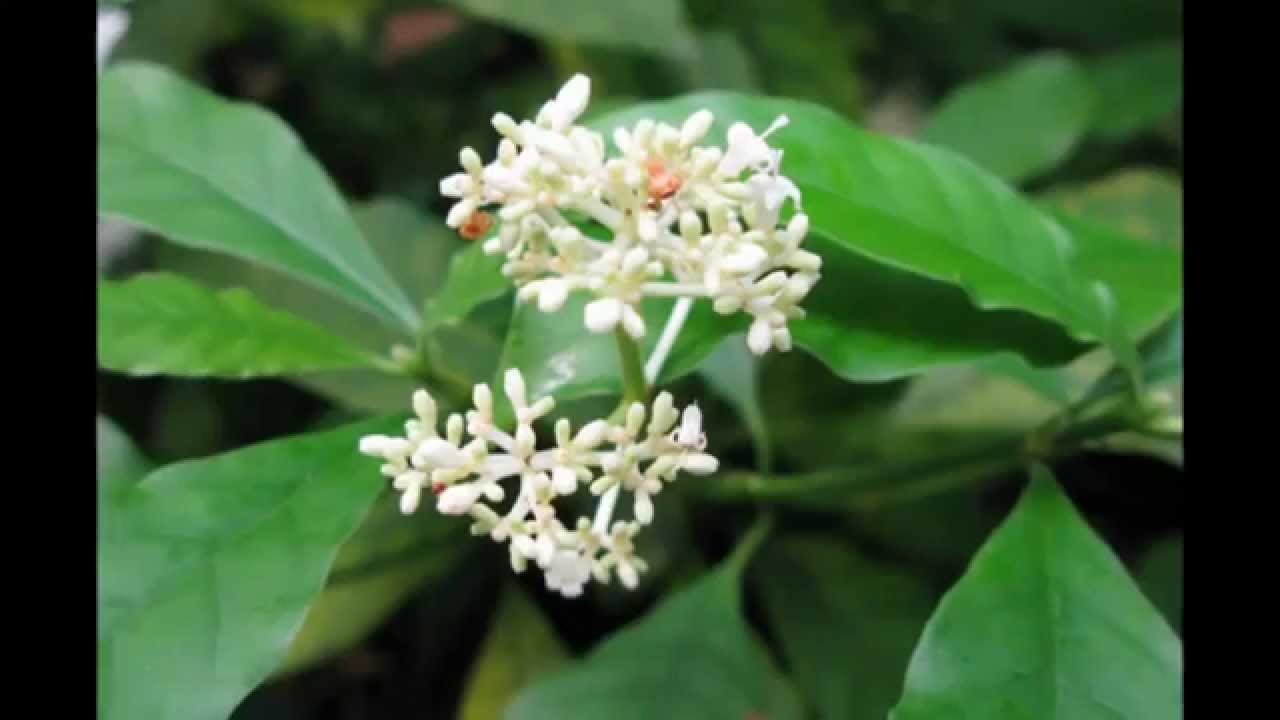
Indigenous to Brazil and Central America. Synonym: Psychotria ipecacuanha
Felter, 1922, the Eclectic Materia Medica
Part Used: dried roots/rhizomes ofCephaelis ipecacuanha (Brot.) A. Rich., ofC. acuminata(Benth.) Karst. (Rubiaceae), or of a mixture of both species.
Organoleptic properties
Odor: slight, irritating, sternutatory; taste: bitter, nauseous, unpleasant
Constituents
The major active constituents are isoquinoline alkaloids (1.8–4.0%), with emetine and cephaeline accounting for up to 98% of the alkaloids present. Content in Cephaelis ipecacuanha: emetine 60–70%, cephaeline 30–40%; in Cephaelis acuminata: emetine 30–50%, cephaeline 50–70%. A 30-ml dose of ipecac syrup contains approximately 24 mg of emetine and 31 mg of cephaeline . Other alkaloids of note are psychotrine, O-methylpsychotrine and ipecoside.
Uses supported by clinical data
A syrup made from the roots is used as an emetic, to empty the stomach in cases of poison ingestion
Uses described in traditional medicine
Treatment of parasites, the common cold and diarrhea. Also to stimulate uterine contractions and induce abortion.
The Physiomedical Dispensatory by William Cook, M.D., 1869
The root of ipecacuanha is the portion used in medicine. It comes to market in pieces three or four inches long, about the size of a small quill ; knotty and wrinkled, with circular fissures; of a grayish-brown color outwardly and white within; the outer portion brittle and the center tough. It has a faint and nauseous odor, and a sickening and feebly aromatic taste. The outer or cortical portion is the active one. It yields about one percent of a peculiar principle called emetia; which is said to be an alkaloid, and is the chief acting principle of the root. It contains, also, a little volatile oil, and an acrid, astringent principle in small quantities. Warm water extracts most of its virtues; but light alcoholic menstrua, as wines, act more freely on it. Boiling injures it very much; and the strong astringents, as also isinglass, cause a slow precipitation from an infusion.
Properties and Uses: The root has been a very popular nauseant, relaxing all the structures, reducing the pulse, favoring diaphoresis and expectoration, securing thin discharges from the bowels, and in large doses inducing repeated emesis. In pneumonia, hooping-cough, catarrh, spasmodic asthma, and as an emetic for children and feeble women, it has enjoyed a wide reputation. I used to employ it, and know a small quantity greatly promotes diaphoresis and expectoration, and also relieves a hot surface and lowers the pulse. By watching it very closely, I came to reject it from the list of sanative agents for the following reasons: It causes a free secretion of phlegm and mucus in the respiratory organs, but reduces the power of expectorating, and leaves the patient somewhat suffocated and pale. Children become sleepy and dull under its action, and have respiration interfered with, and pneumonia decidedly made worse by depression of the lungs. The extremities and cheeks become cold and pale; the pulse falls, and becomes
almost imperceptible; and the nervous centers may be so depressed as to sink into coma. Inhalation of its dust will occasion choking and asthmatic feelings; and one druggist’s clerk was nearly killed by it. The vomiting it induces is slow and persistent, and it is accompanied by a sense of extreme languor, and followed by stupor (or somnolent sleep) and continued weakness. Its active principle, emetia, has on all sides been pronounced too violent to admit of being used;
and the one-sixteenth of a grain killed a dog. Accumulated observations of this kind have satisfied me that it is an unsafe article; and I feel morally certain that I have seen it prescribed by Allopathists and Eclectics, where its use led to fatal results in cases of infantile pneumonia that might have been saved.
Clinical pharmacology
In a randomized controlled crossover study, 10 fasting healthy volunteers received oral doses of paracetamol (3.0 g total dose), followed after 60 minutes by oral administration of 30.0 ml of a syrup prepared from the roots and 240.0 ml of water. Mean time to first emesis was 25.5 minutes. The 8-hour area under the curve for the paracetamol blood level in the syrup group was 21% lower than that for the control group. Oral administration of 30.0 ml of a syrup prepared from the roots and 250.0 ml of water to 10 volunteers 60 minutes after the oral ingestion of 5.0 g of ampicillin prevented approximately 38% of the drug from being absorbed (P < 0.01). Mean time to emesis was 16 minutes.
In a randomized controlled crossover study, 10 of 12 volunteers were each given 24 acetylsalicylic acid tablets (81.0 mg/tablet) with 240.0 ml of water following a 12-hour fast. The two control subjects received no treatment.
After 60 minutes, the volunteers were given 30.0 ml of a syrup prepared from the roots and 240.0 ml water; the dose was repeated in three subjects who did not vomit within 30 minutes of the initial dose. Time to emesis was approximately 30 minutes. Urine was collected for 48 hours. The proportion of ingested salicylate recovered in the urine was 96.3% for the control group and 70.2% for the treatment group (P < 0.01).
In a randomized controlled crossover study 12 fasting adults were given 20 acetylsalicylic acid tablets (75.0 mg/tablet) with 200.0 ml of water followed by 30.0 ml of a syrup prepared from the roots 60 minutes later or no further treatment (control group). The mean percentage of ingested salicylate recovered in the urine was 60.3% for the control group and 55.6% for the treatment group (P < 0.025).
In a controlled crossover study, oral administration of 1.0 g of paracetamol, 500.0 mg of tetracycline and 350.0 mg of a long-acting aminophylline preparation to six fasting adults was followed by oral administration of 20.0 ml of a syrup prepared from the roots and 300.0 ml of water administered either 5 minutes or 30 minutes later. Timed blood
samples were collected over a 24-hour period. Mean time to onset of emesis was 14.3 minutes. For paracetamol, the mean peak serum concentration was reduced signifi cantly (P < 0.01) to 4.4 mg/l after the administration of the syrup after 5 minutes compared with 14.9 mg/l in controls. Under these conditions the mean area under the curve was 35% of that in controls (P < 0.01). No statistically significant reduction in the mean peak serum concentration or mean area under the curve was observed when the syrup was given after 30 minutes. For tetracycline, the mean peak serum concentration and area under the curve were reduced significantly (P < 0.01) in both the 5- and 30-minute treatment groups. For aminophylline, the mean peak serum concentration was only reduced significantly (P < 0.05) in the 5-minute group.
In a randomized, controlled crossover trial, oral administration of 20.0 mg of metoclopramide to seven fasted adults was followed 60 minutes later by oral administration of 400.0 mg of cimetidine and 10.0 mg of pindolol, and
after a further 5 minutes by 400.0 ml of water or 20.0 ml of a syrup prepared from Radix Ipecacuanhae and 400.0 ml of water. Six of the seven subjects vomited, with a mean time delay of 17 minutes. The syrup reduced the absorption of both cimetidine (25% of that in controls) and pindolol (40% of that in controls) as measured by mean peak serum concentrations.
In three investigations, markers were administered to emergency department patients presenting with potentially toxic ingestions, and recovery of the marker after syrup-induced emesis was measured. In one study, 14 children received an oral dose of 1.0 g of magnesium hydroxide prior to oral administration of 20.0 ml of a syrup prepared from the roots. Mean time to emesis was 15 minutes (range 5–41 minutes) and mean recovery of magnesium hydroxide was 28%. In a similar study, 100 mg of liquid thiamine mixed with 30 ml of a syrup prepared from the roots was administered to 51 subjects. Mean time to emesis was 21 minutes and mean recovery of thiamine was 50%. In a randomized, controlled, single blind study, barium-impregnated 3-mm polythene pellets were administered with water and 30.0 ml of a syrup prepared from the roots to 20 patients. Time to emesis was 5–20 minutes. Abdominal X-rays were performed 15–80 minutes after ingestion of the pellets. In the syrup group, 39.3% of the ingested pellets had moved into the small bowel compared with 16.3% in the control group.
In a controlled, randomized prospective study, 592 acute oral drug overdose patients were evaluated to determine whether a syrup prepared from Radix Ipecacuanhae and activated charcoal or lavage and activated charcoal were superior to activated charcoal alone. The induction of emesis by the syrup before administration of activated charcoal and a cathartic (n = 214) did not significantly alter the clinical outcome of patients who were awake and alert on presentation compared with those who received activated charcoal and a cathartic without the syrup (n = 262). The investigators concluded that induction of emesis in acutely poisoned patients who were alert and awake was of no benefit, even when performed less than 60 minutes after a toxic ingestion.
A prospective study was conducted to assess the effect of gastric emptying and activated charcoal upon clinical outcome in acutely self-poisoned patients. Presumed overdose patients (n = 808) were treated using an alternate-day protocol based on a 10-question cognitive function examination and presenting vital-sign parameters. Asymptomatic patients (n = 451) did not undergo gastric emptying. Activated charcoal was administered to asymptomatic patients only on even days. Gastric emptying in the remaining symptomatic patients (n = 357) was performed only on even days. On emptying days, alert patients had ipecac-induced emesis while obtunded patients underwent gastric lavage. Activated charcoal therapy followed gastric emptying. On non-emptying days, symptomatic patients were treated only with activated charcoal. No clinical deterioration occurred in the asymptomatic patients treated without gastric emptying. Use of activated charcoal did not alter outcome measures in asympasymptomatic patients. Gastric emptying procedures in symptomatic patients did not significantly alter the duration of stay in the emergency department, mean duration of intubation, or mean duration of stay in the intensivecare unit. Gastric lavage was associated with a higher prevalence of medical intensive care unit admissions (P = 0.0001) and aspiration pneumonia (P = 0.0001). The data support the management of selected acute overdose patients without gastric emptying and fail to show a benefit from treatment with activated charcoal in asymptomatic overdose patients.
A prospective, randomized, unblinded, controlled trial was conducted to determine the effect of a syrup of the roots on the time to administration and duration of retention of activated charcoal, and on total duration of emergency department stay. The study involved 70 children less than 6 years old, who presented with mild–moderate acute oral poison ingestions. The children were divided into two groups, group 1 received the syrup before activated charcoal and group 2 received only activated charcoal. Duration from arrival to administration of activated charcoal was significantly longer in group 1 (2.6 h compared with 0.9 h, P < 0.0001) and group 1 children were significantly more likely to vomit activated charcoal (18 of 32 compared with 6 of 38, P < 0.001). Patients receiving the syrup who were subsequently discharged spent significantly more time in the emergency department than those receiving only activated charcoal (4.1 ± 0.2 h compared with 3.4 ± 0.2 h, P < 0.05). It was concluded that administration of the syrup
delays the administration of activated charcoal, hinders its retention, and prolongs the emergency department stay in pediatric ingestion patients. In a prospective randomized controlled trial, 876 patients were assessed on presentation to an emergency room after ingestion of a toxic substance. On odd-numbered days, the patients received 30–50 ml of syrup prepared from the roots followed by 200 ml of water, or gastric lavage followed by activated charcoal. On even-numbered days, no gastric emptying was performed and patients received 50 g of activated charcoal alone. No significant differences between the treatments were observed; syrup plus activated charcoal was not superior to activated charcoal alone.
A comparison study assessed the difference between early and late administration of ipecac syrup on paracetamol plasma concentrations. A total of 50 children under the age of 5 years with accidental ingestion of 150.0 mg/kg bw of paracetamol received ipecac syrup within 4 hours of ingestion: 23 received ipecac at home (mean time to administration 26 minutes after paracetamol ingestion) and had measured plasma paracetamol concentrations of 23.0 mg/l; 27 children received ipecac syrup elsewhere (i.e. not at home; mean time to administration, 83 min) and had measured plasma paracetamol concentrations of 44.0 mg/l. The investigators concluded that the shorter the time between ingestion of paracetamol and the administration of ipecac, the more effective ipecac was in reducing plasma paracetamol concentrations.
The rates of absorption and elimination of emetine and cephaeline from a syrup prepared from the roots were investigated in 10 healthy adults. Volunteers received an oral dose of 30 ml of the syrup and urine and blood samples were collected up to 180 minutes following ingestion. In all subjects emetine and cephaeline were detected in the blood 5–10 minutes after dosing, with maximum concentrations observed after 20 minutes. The mean areas under the curve were similar for both compounds. Less than 0.15% of the administered emetine and cephaeline doses was recovered in the urine at 3 hours. There was no relation between peak vomiting episodes and blood levels of emetine and cephaeline. At 3 hours neither alkaloid was detectable in the blood.
The roots act as an emetic because of their local irritant effect on the digestive tract and its effect on the chemoreceptor trigger zone in the area postrema of the medulla . Charcoal should not be administered with syrup prepared from the roots, because charcoal can absorb the syrup and reduce the emetic effect.
Experimental pharmacology
In vivo studies
Experimental studies in animals are primarily limited to various investigations in dogs. In these studies most of the animals were not anesthetized; however, some were premedicated to prevent spontaneous vomiting. The efficacy of a syrup made from Radix Ipecacuanhae to induce emesis was investigated in fasting dogs, pretreated by intramuscular or intravenous administration of 25.0 mg of chlorpromazine, 25.0 mg of promethazine or 37.5–50.0 mg of promethazine to prevent spontaneous vomiting. The pretreatments were administered 30 minutes prior to the oral administration of 500.0 mg/kg body weight (bw) of sodium salicylate in tablet form. The animals were then given 25.0 ml of a syrup made from the roots. When the syrup was administered orally within 30 minutes of the sodium salicylate dose, almost 50% of the salicylate was recovered. Administration after 30 minutes reduced recovery to 35.9% . In dogs, oral administration of 5 g of barium sulfate in suspension as a marker was followed by intragastric administration of 1.5 ml/kg bw of a syrup made from the roots at 0, 30 or 60 minutes. Mean time to emesis was 46 minutes, and recovery of the barium was 62%, 44% and 31%, respectively in the three groups. Fasting puppies were given two gelatin capsules of barium sulfate (1.0 g) as a marker, followed after 20 minutes by intragastric
administration of 15–30.0 ml of the syrup. Mean time to emesis was 29 minutes. Only three of the six dogs vomited and emesis resulted in a mean recovery of 19% . Paracetamol poisoning was induced in fasting dogs; drug emesis was 42.2% following intragastric administration of 20.0 ml of a syrup made from the roots given 10 minutes after the paracetamol dose.
(WHO-VOL3 pg 216- 222)
Physio-Medical Therapeutics, Materia Medica and Pharmacy BY T. J. LYLE, A.M.M. 1897
The root is a powerful and positive relaxant. It does not cause nausea so quickly as lobelia, but the nausea once produced is more persistent. It is frequently used in bronchitis, pneumonia or asthma in combination with other medicines that influence the bronchi or lungs and freely increase expectoration. Given with diaphoretics in hot infusion it increases diaphoresis. If you want to make a drunken man sick of liquor give him a glass of liquor with a dose of ipecac in it. For a time it creates a disgust, and will soon straighten him up. In a majority of cases the influence of lobelia is to be preferred to that of ipecac, though the wine of ipecac gives favourable results in the preventing of membranous croup.