Brain Herniation
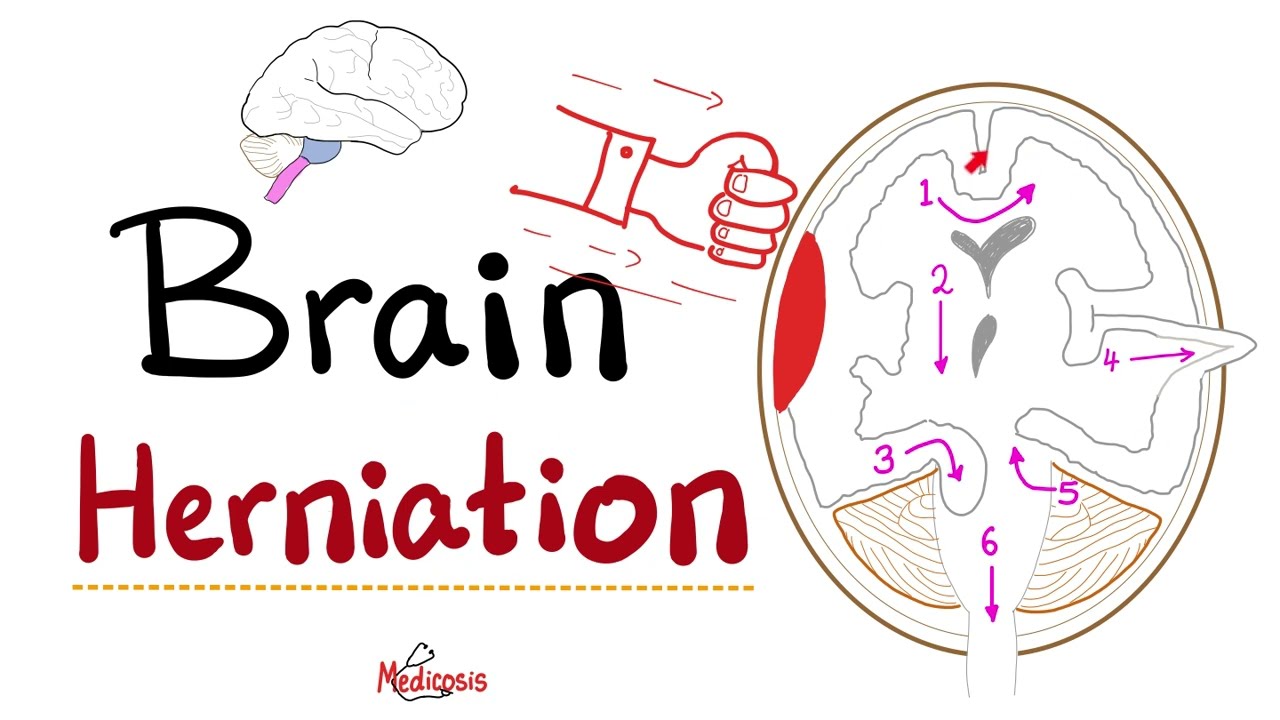
Brain herniation is a serious medical condition that occurs when brain tissue, cerebrospinal fluid, and blood vessels are moved or pressed away from their usual position inside the skull. This displacement is typically due to increased intracranial pressure (ICP), which can result from various causes such as traumatic brain injury, stroke, or brain tumors.
Causes of Brain Herniation
Brain herniation is primarily caused by increased pressure within the skull. This pressure can arise from:
- Traumatic Brain Injury (TBI): Severe head injuries can lead to swelling or bleeding in the brain, increasing intracranial pressure.
- Stroke: Ischemic or hemorrhagic strokes can cause brain swelling or bleeding, contributing to herniation.
- Brain Tumors: Tumors can occupy space within the skull, leading to increased pressure.
- Infections: Conditions like meningitis or encephalitis can cause inflammation and swelling of brain tissues.
- Hydrocephalus: An accumulation of cerebrospinal fluid can increase pressure within the skull.
Types of Brain Herniation
There are several types of brain herniation, each with distinct characteristics and implications:
- Subfalcine Herniation: This is the most common type, where brain tissue is pushed under the falx cerebri, a membrane that separates the two cerebral hemispheres. It can lead to compression of the anterior cerebral artery.
- Transtentorial (Uncal) Herniation: Occurs when the innermost part of the temporal lobe is squeezed past the tentorium cerebelli. This can compress the brainstem and cranial nerves, leading to life-threatening complications.
- Central Herniation: Involves downward displacement of the brainstem and diencephalon. It can cause bilateral pupil dilation and loss of consciousness.
- Tonsillar Herniation: The cerebellar tonsils are pushed through the foramen magnum, compressing the brainstem and potentially leading to respiratory and cardiac arrest.
- Upward Herniation: Occurs when pressure forces brain tissue upward, often due to posterior fossa lesions.
Symptoms of Brain Herniation
The symptoms of brain herniation can vary depending on the type and severity but may include:
- Severe headache
- Nausea and vomiting
- Altered mental status or confusion
- Loss of consciousness
- Abnormal posturing
- Pupil dilation or unequal pupils
- Respiratory changes
- Seizures
These symptoms require immediate medical attention, as brain herniation can rapidly progress to a life-threatening state.
Diagnosis
Diagnosing brain herniation involves a combination of clinical evaluation and imaging studies. Key diagnostic tools include:
- CT Scan: A computed tomography scan can quickly identify brain swelling, bleeding, or mass lesions.
- MRI: Magnetic resonance imaging provides detailed images of brain structures and can help identify the type of herniation.
- Neurological Examination: Assessing the patient's level of consciousness, pupil response, and motor function can provide critical information.
Treatment Options
The treatment of brain herniation focuses on reducing intracranial pressure and addressing the underlying cause. Common interventions include:
- Medications: Osmotic diuretics like mannitol and hypertonic saline can help reduce brain swelling. Corticosteroids may be used to decrease inflammation.
- Surgery: Surgical options such as decompressive craniectomy or removal of a mass lesion may be necessary to relieve pressure.
- Ventilation Support: Mechanical ventilation may be required to ensure adequate oxygenation and control carbon dioxide levels.
- Monitoring: Intracranial pressure monitoring can guide treatment decisions and assess the effectiveness of interventions.
Prognosis
The prognosis for brain herniation depends on the cause, severity, and timeliness of treatment. Early intervention can improve outcomes, but severe cases may result in permanent neurological damage or death. Rehabilitation and supportive care are often necessary for recovery.