Red Elderberry
Constituents:
Red Elderberry, scientifically known as Sambucus racemosa, is a deciduous shrub that belongs to the Adoxaceae family. This plant is native to various regions across the Northern Hemisphere, including North America, Europe, and parts of Asia. It is well-known for its vibrant red berries and its use in traditional medicine and culinary applications.
BOTANICAL Description
Red Elderberry typically grows to a height of 6 to 12 feet, although it can sometimes reach up to 20 feet under optimal conditions. The shrub has a multi-stemmed growth habit with a rounded or irregular shape. The leaves are pinnately compound, usually consisting of 5 to 7 leaflets that are lance-shaped with serrated edges. The foliage is a bright green color, providing a lush appearance during the growing season.
Flowers and Fruits
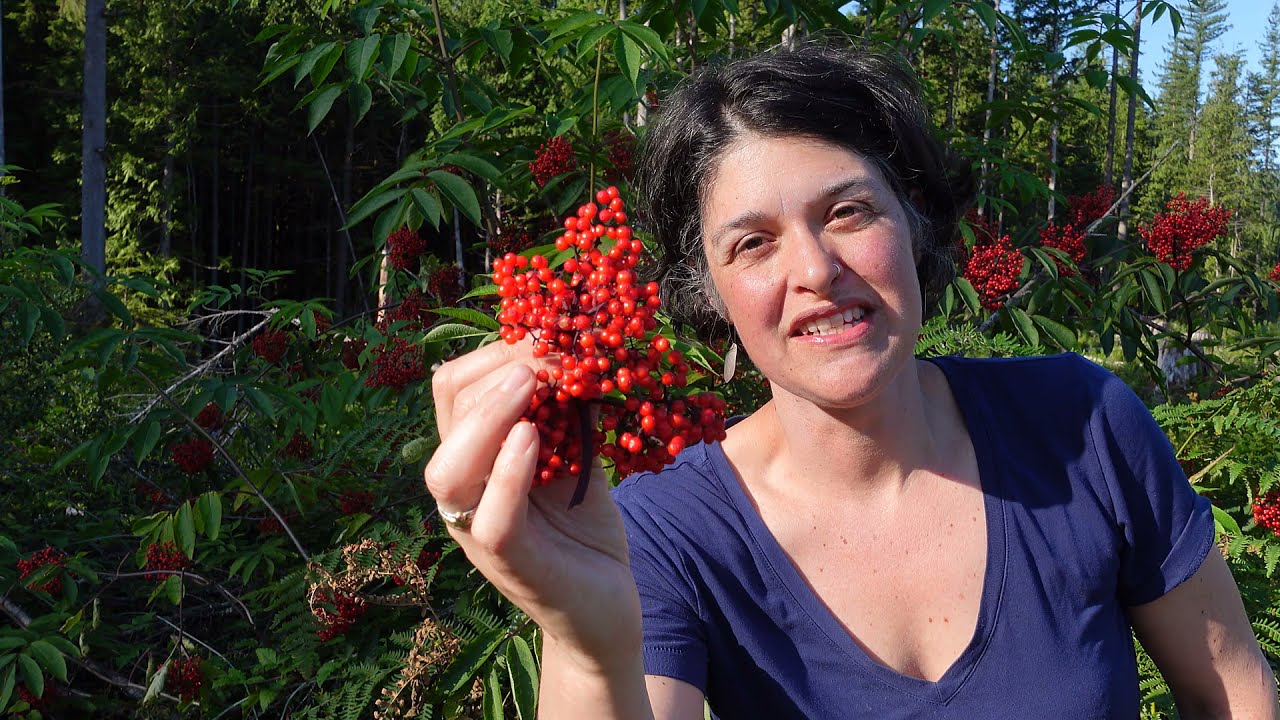
The plant produces small, creamy-white flowers that are arranged in dense, conical clusters known as panicles. These flowers bloom in late spring to early summer and are highly attractive to pollinators such as bees and butterflies. Following the flowering period, the plant develops clusters of bright red berries. These berries are typically 3 to 5 millimeters in diameter and contain several small seeds.
Habitat and Growing Conditions
Red Elderberry thrives in a variety of habitats, including forest edges, stream banks, and open woodlands. It prefers moist, well-drained soils and can tolerate a range of soil types, from sandy to clayey. The plant is also adaptable to different light conditions, growing well in both full sun and partial shade. However, it tends to produce more flowers and fruits when exposed to ample sunlight.
Propagation
Propagation of Red Elderberry can be achieved through seeds, cuttings, or division. Seeds should be stratified by exposing them to cold temperatures for several months before planting. Cuttings can be taken from mature wood in late winter or early spring and rooted in a moist growing medium. Division involves separating the root ball of an established plant and replanting the sections.
Uses and Benefits
Medicinal Uses
Red Elderberry has a long history of use in traditional medicine. The berries and flowers are rich in vitamins, antioxidants, and other bioactive compounds. They have been used to treat a variety of ailments, including colds, flu, and inflammation. The plant's bark, leaves, and roots have also been used in herbal remedies, although these parts contain compounds that can be toxic if not prepared correctly.
Culinary Uses
While the berries of Red Elderberry are not typically consumed raw due to their bitter taste and potential toxicity, they can be cooked and used in various culinary applications. The berries are often made into jams, jellies, syrups, and wines. Cooking the berries helps to neutralize the toxic compounds, making them safe for consumption.
Ecological Importance
Red Elderberry plays a significant role in its ecosystem. The flowers provide nectar for pollinators, while the berries serve as a food source for various bird species and mammals. The dense foliage offers shelter and nesting sites for wildlife. Additionally, the plant's root system helps to stabilize soil and prevent erosion, making it valuable for habitat restoration projects.
Cautions and Considerations
While Red Elderberry offers numerous benefits, it is important to exercise caution when using the plant. The raw berries, bark, leaves, and roots contain cyanogenic glycosides, which can release cyanide when metabolized. Consuming these parts without proper preparation can lead to symptoms of poisoning, such as nausea, vomiting, and diarrhea. Therefore, it is crucial to cook the berries thoroughly and avoid using other parts of the plant unless you are knowledgeable about safe preparation methods.