Mechanical Traction
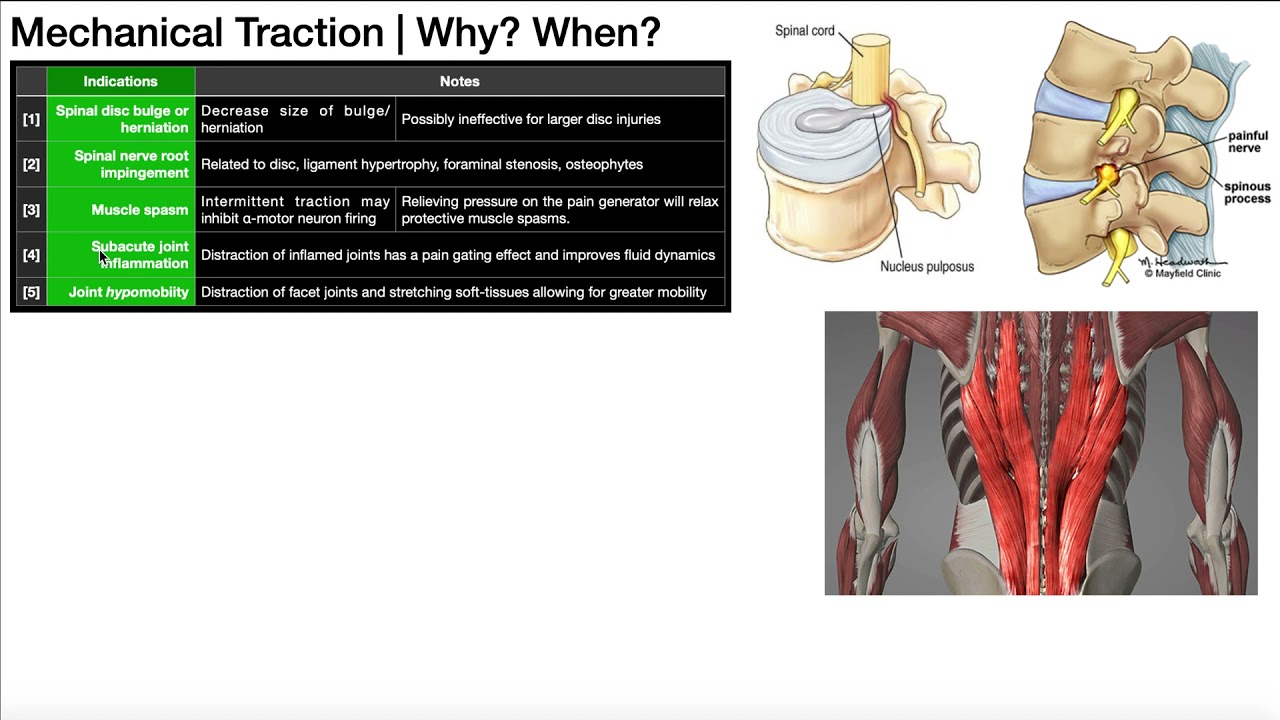
Part 1 theory, indications & contraindications
Part 2 Cervical & Lumbar Traction Parameters
Mechanical traction is a therapeutic technique used in physical therapy and rehabilitation to alleviate pain and improve mobility. It involves the application of a pulling force to the spine or limbs to stretch and mobilize the skeletal system. This method is particularly beneficial for individuals suffering from conditions such as herniated discs, sciatica, and joint stiffness.
Principles of Mechanical Traction
Mechanical traction operates on the principle of decompression. By applying a controlled force, it aims to separate the vertebrae, which can relieve pressure on the spinal discs and nerves. This decompression can lead to several therapeutic benefits, including:
- Reduction of pain by alleviating pressure on nerve roots.
- Improvement in joint mobility and flexibility.
- Enhancement of blood circulation to the affected area.
- Promotion of healing by reducing inflammation.
The force applied during mechanical traction can be adjusted based on the patient's condition and tolerance, making it a versatile treatment option.
Types of Mechanical Traction
There are several types of mechanical traction, each designed to target specific areas of the body or address particular conditions:
1. Cervical Traction
Cervical traction focuses on the neck region. It is commonly used to treat conditions such as cervical spondylosis, neck pain, and tension headaches. The traction device gently pulls the head away from the neck, creating space between the cervical vertebrae and reducing nerve compression.
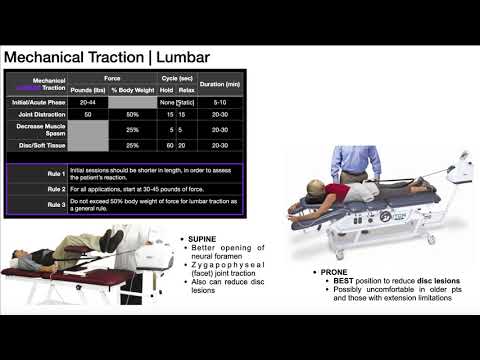
2. Lumbar Traction
Lumbar traction targets the lower back and is often used for conditions like herniated discs, sciatica, and lower back pain. The traction force is applied to the lumbar spine, helping to relieve pressure on the spinal discs and nerves.
3. Skeletal Traction
Skeletal traction is used for more severe conditions, such as fractures or dislocations. It involves the use of pins or wires inserted into the bone, with weights and pulleys providing the necessary force to align and stabilize the bones.
Applications and Benefits
Mechanical traction is widely used in clinical settings due to its non-invasive nature and effectiveness in managing musculoskeletal conditions. Some of the key applications and benefits include:
- Pain Relief: By reducing pressure on nerves and discs, mechanical traction can significantly alleviate pain, allowing patients to engage in daily activities with greater ease.
- Improved Mobility: Traction helps increase the range of motion in joints, making it easier for patients to move and perform exercises that aid in recovery.
- Enhanced Healing: The increased blood flow and reduced inflammation associated with traction can accelerate the healing process, particularly in soft tissues.
- Non-Surgical Option: For patients seeking alternatives to surgery, mechanical traction offers a viable option for managing chronic pain and mobility issues.
Considerations and Precautions
While mechanical traction is generally safe, it is essential to consider certain factors and precautions to ensure its effectiveness and prevent complications:
- Patient Assessment: A thorough assessment by a healthcare professional is crucial to determine the suitability of traction for each patient. Factors such as the patient's medical history, current condition, and pain tolerance should be considered.
- Proper Technique: The application of traction should be performed by trained professionals to ensure the correct amount of force is used and to avoid injury.
- Monitoring: Continuous monitoring during traction sessions is important to assess the patient's response and make necessary adjustments.
- Contraindications: Traction may not be suitable for individuals with certain conditions, such as osteoporosis, spinal instability, or acute inflammation. It is important to identify these contraindications before proceeding with treatment.