Fivelobe Cucumber / Melon Leaf Cucumber
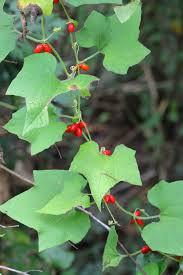
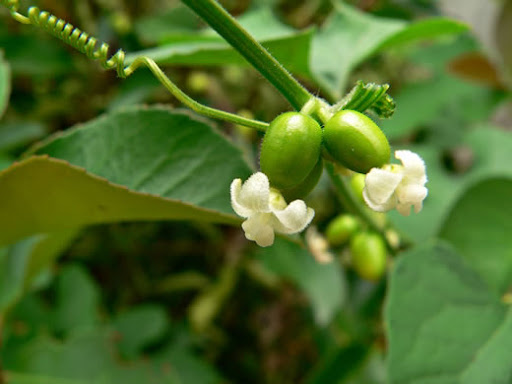
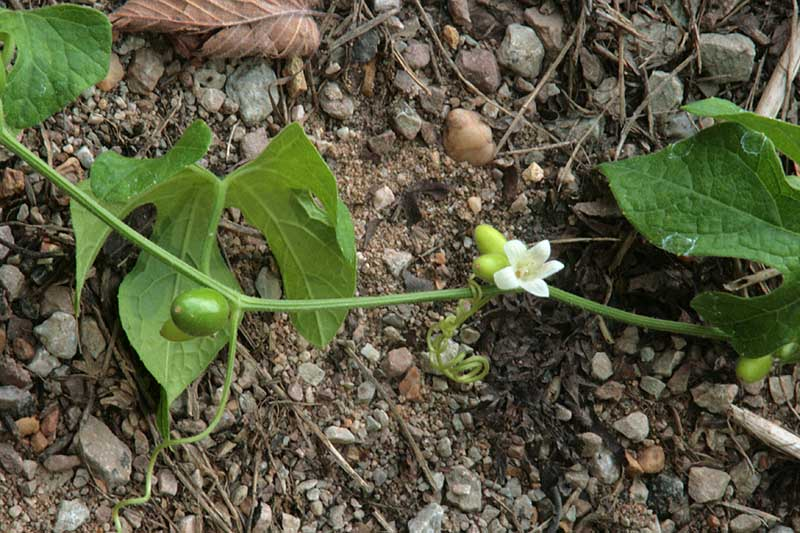
Cayaponia quinqueloba is a plant species belonging to the Cucurbitaceae family, which is commonly known as the gourd or squash family. This plant is native to tropical regions and has garnered interest due to its unique characteristics and potential medicinal properties.
Botanical Features
Cayaponia quinqueloba is a perennial climbing vine that can reach impressive lengths, often extending several meters. The plant is characterized by its lobed leaves, which typically have five distinct lobes, hence the name "quinqueloba" (from Latin, meaning "five-lobed"). The leaves are arranged alternately along the stem and have a rough texture.
The flowers of Cayaponia quinqueloba are another notable feature. They are usually small, greenish-yellow, and unisexual, meaning that individual flowers are either male or female. The plant relies on insect pollinators to transfer pollen from male to female flowers, facilitating fertilization. Following successful pollination, the plant produces small, fleshy fruits that are often green or yellow when ripe.
Habitat and Distribution
Cayaponia quinqueloba thrives in tropical and subtropical climates, where it can be found growing in a variety of habitats, including forests, thickets, and along riverbanks. The plant prefers well-drained soils and can often be seen climbing over other vegetation or structures in its environment.
Geographically, Cayaponia quinqueloba is distributed across several regions, including parts of Central and South America. It is particularly prevalent in countries such as Brazil, where it is known by various local names.
Uses and Applications
Historically, Cayaponia quinqueloba has been utilized for various purposes by indigenous communities and traditional healers. Some of the notable uses include:
- Medicinal Uses: The plant has been used in traditional medicine to treat a range of ailments. Extracts from different parts of the plant, including the leaves, roots, and fruits, have been employed for their purported anti-inflammatory, analgesic, and antimicrobial properties. For example, decoctions made from the roots are sometimes used to alleviate pain and reduce fever.
- Nutritional Uses: While not a primary food source, the fruits of Cayaponia quinqueloba are occasionally consumed. They are typically eaten raw or cooked and are valued for their nutritional content, which includes vitamins and minerals.
- Cultural Significance: In some cultures, Cayaponia quinqueloba holds symbolic or ritualistic importance. It may be used in ceremonies or as part of traditional practices that have been passed down through generations.
Research and Potential
Recent scientific research has begun to explore the potential benefits of Cayaponia quinqueloba in greater detail. Studies have investigated the plant's chemical composition, revealing the presence of various bioactive compounds such as flavonoids, saponins, and alkaloids. These compounds are of interest due to their potential therapeutic effects.
Some areas of ongoing research include:
- Pharmacological Studies: Researchers are examining the pharmacological properties of Cayaponia quinqueloba extracts to better understand their mechanisms of action and potential applications in modern medicine. This includes studies on their anti-inflammatory, antioxidant, and antimicrobial activities.
- Agricultural Research: Given its resilience and adaptability, Cayaponia quinqueloba is also being studied for its potential as a crop in sustainable agriculture. Its ability to thrive in diverse environments makes it a candidate for cultivation in areas where other crops may struggle.