Deworming Cats
See Intestinal Parasites in Dogs and Cats
How to check for worms:
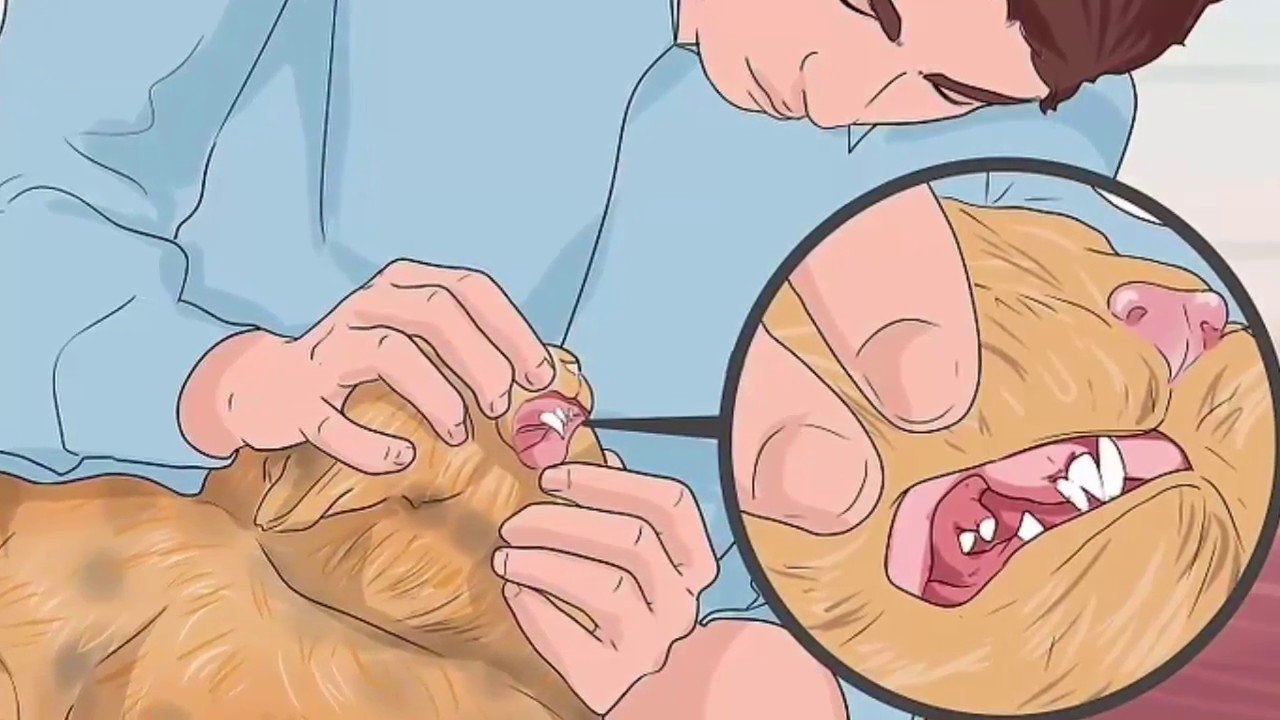
How to deworm a cat
Deworming Cats Naturally: Prevent Roundworms & Tapeworms in Cats


Tapeworm
Kittens

What you need to know about internal parasites in kittens (video)
Pumpkin Seed
Pumpkin seeds are a popular traditional/natural remedy for deworming cats, particularly for tapeworms. The amino acid cucurbitin (or cucurbitacin) in the seeds is believed to paralyze worms, making it easier for the cat's body to expel them. Some lab studies (mostly in mice or other animals) support mild anthelmintic effects against certain parasites, but evidence in cats is mostly anecdotal and traditional (e.g., used in Brazil for tapeworms).Important disclaimers:
- This is not a substitute for veterinary dewormers (like praziquantel for tapeworms or broad-spectrum products). It may not fully eliminate heavy infestations or other worm types (e.g., roundworms, hookworms).
- Always consult your vet first. Get a fecal exam to confirm worms and type before treating. Natural options can help with mild cases or prevention but are less reliable than prescription meds.
- Monitor for side effects like loose stools or diarrhea (reduce dose if this happens). It's generally very safe but start low.
Recommended Preparation
- Use only raw, unsalted, unflavored pumpkin seeds (pepitas). Do not use roasted, salted, or flavored ones.
- Grind them fresh into a fine powder right before use (use a coffee/spice grinder). This releases the active compounds and prevents moisture issues.
- Mix thoroughly into wet/canned food. Most cats will eat it this way; it has a mild nutty taste.
Common Dosages for Cats
Dosages vary across holistic sources and vet-inspired natural protocols (e.g., Dr. Jones' recommendations, pet nutrition sites). They are typically scaled by body weight for safety. A typical adult cat weighs 8–12 lbs.
- Conservative starting dose (often recommended to begin with): 1/8 teaspoon of ground seeds per 10 lbs body weight, once daily.
- Common treatment dose (for a 7-day "cleanse" or mild deworming): 1/4 teaspoon of ground seeds per 10 lbs body weight, once daily (or split across meals).
- Example: 10 lb cat → ¼ tsp per day.
- Example: 8 lb cat → ~⅕ tsp per day (a small pinch more than ⅛ tsp).
- Example: 12 lb cat → ~⅓ tsp per day.
- Some sources suggest up to 1 teaspoon per 10 lbs per day (or ¼–½ tsp per meal for an average cat), but this is on the higher end—start lower and increase only if tolerated.
Duration: Often given daily for 5–7 days (sometimes paired with plain canned pumpkin on day 1 for gut support). For prevention or maintenance in at-risk cats (outdoor, multi-cat homes), use 2–3 times per week at the lower dose. Repeat fecal testing after treatment.
Example 7-Day Protocol (from natural pet sources)
- Day 1: Gut reset with plain canned pumpkin (½–1 tsp per 10 lbs, mixed in food).
- Days 2–7: Add ground pumpkin seeds at ¼ tsp per 10 lbs daily + optional canned pumpkin.
Extra Tips
- Weigh your cat accurately for dosing.
- For very small cats/kittens or seniors, use the lowest end and consult a vet.
- Combine with good hygiene (clean litter box daily, flea control—fleas transmit tapeworms).
- If you see worm segments in poop after starting, that's expected (they're being expelled).
Bottom line: Many cat owners and holistic vets report success with this for tapeworms, and it's inexpensive/safe for most cats. However, if your cat has symptoms (weight loss, vomiting, diarrhea, scooting, visible worms), see a vet promptly for proper diagnosis and treatment—don't rely solely on seeds. If your vet approves, this can be a gentle adjunct.