Theophylline
Overview
Theophylline (1,3-dimethylxanthine) is a methylxanthine bronchodilator related structurally and pharmacologically to caffeine and theobromine. It has historically been used in asthma and chronic obstructive pulmonary disease (COPD), although its narrow therapeutic index and frequent drug interactions limit routine use. A small amount is also produced during hepatic caffeine metabolism.
Clinical Uses
- Historically used as an oral bronchodilator in asthma and COPD.
- Sustained-release preparations may benefit selected patients with nocturnal asthma by reducing overnight declines in FEV1 and morning symptoms.
- When used alone, it may improve exercise tolerance without necessarily improving spirometric measurements.
Contemporary treatment decisions should follow current asthma and COPD guidelines; inhaled therapies are generally preferred when appropriate.
Mechanism of Action
Theophylline has several pharmacologic actions:
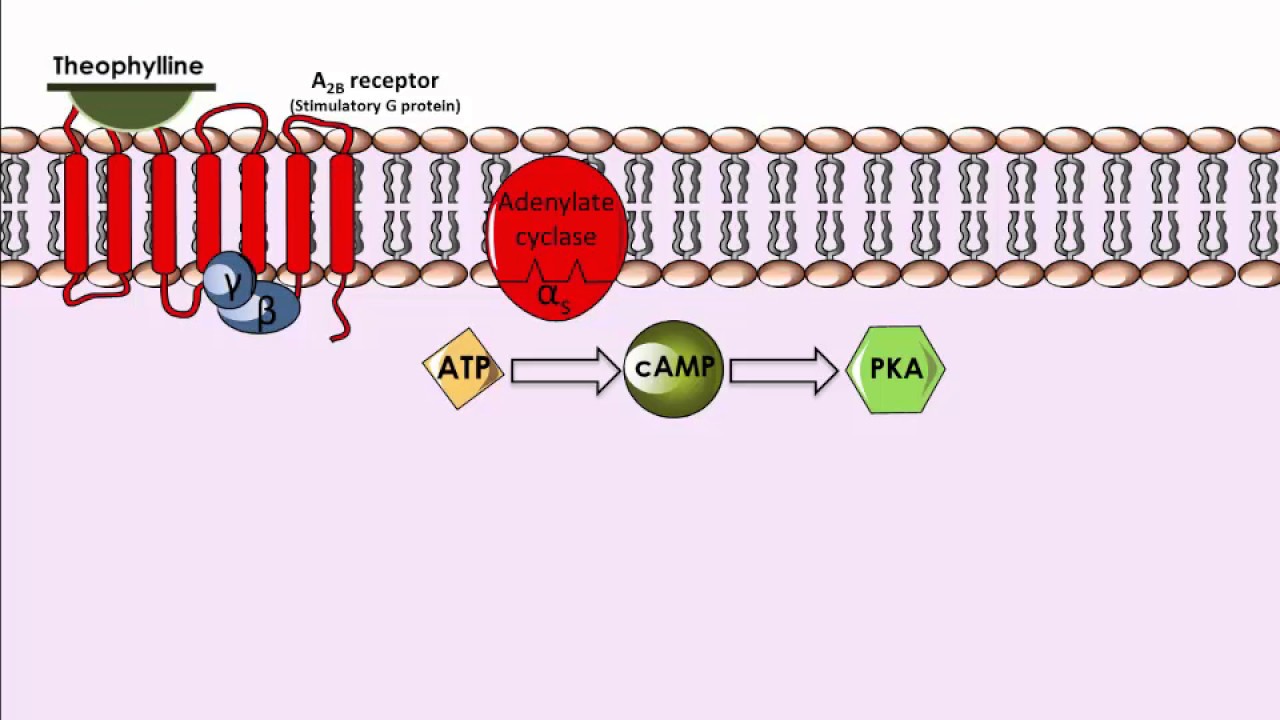
- Phosphodiesterase inhibition: increases intracellular cyclic AMP and promotes airway smooth-muscle relaxation.
- Adenosine-receptor antagonism: contributes to bronchodilation and central nervous-system stimulation.
- Reduced calcium influx: decreases smooth-muscle contractility.
- Catecholamine stimulation: may increase endogenous catecholamine activity.
- Anti-inflammatory effects: may inhibit mediator release from mast cells and leukocytes, influence T-lymphocyte function, increase mucociliary clearance, and reduce microvascular leakiness.
- Prostaglandin antagonism: may contribute to its overall bronchodilator profile.
Because its effects are concentration-dependent and mechanisms are multiple, modest increases in exposure can produce disproportionate toxicity.
Pharmacokinetics and Monitoring
- Theophylline is primarily metabolized in the liver, with clinically important variability among individuals.
- Clearance may be altered by age, fever, liver disease, heart failure, smoking status, acute illness, and interacting medicines.
- It has a narrow therapeutic index; serum concentrations should be monitored when therapy is initiated, the dose changes, toxicity is suspected, or an interacting factor is introduced or removed.
- Extended-release products should be used exactly as directed and should not be crushed unless the specific product information permits it.
Tissue‑State Relevance
Mechanisms
- Non‑selective PDE III & IV inhibition → ↑cAMP → smooth‑muscle relaxation and bronchodilation pharmacologymentor.com
- Adenosine A1/A2 receptor antagonism → prevents adenosine‑mediated bronchoconstriction and mast‑cell mediator release pharmacologymentor.com
- HDAC2 activation at low doses → enhances corticosteroid anti‑inflammatory effects pharmacologymentor.com
- Catecholamine release from adrenal medulla → mild sympathetic stimulation pharmacologymentor.com
- Anti‑inflammatory effects via TNF‑α and leukotriene suppression (via cAMP/PKA signaling) National Center for Biotechnology Information
- Smooth‑muscle relaxation in bronchial airways & pulmonary vessels National Center for Biotechnology Information
These mechanisms define its tissue‑state behavior.
🔥 Heat / Excitation — MODERATE relevance (airway‑specific)
Theophylline reduces airway inflammatory heat:
- HDAC2 activation → enhanced steroid anti‑inflammatory effects
- TNF‑α & leukotriene suppression → reduced inflammatory signaling
Relevance: Moderate
Terrain fit: inflamed bronchi, reactive airway heat.
🌬 Wind / Tension — HIGH relevance (bronchospasm)
Theophylline directly relaxes smooth muscle:
- PDE inhibition → ↑cAMP → bronchodilation
- Adenosine antagonism → prevents bronchoconstrictive tension
Relevance: High
Terrain fit: bronchial spasm, airway tension, reactive cough.
🧊 Cold / Depression — MODERATE relevance
Theophylline mildly stimulates:
- Catecholamine release → increased respiratory drive
- CNS stimulation (methylxanthine class)
Relevance: Moderate
Terrain fit: low respiratory drive, cold/depressed pulmonary tone.
🌫 Damp‑Heat — MODERATE relevance
Theophylline reduces inflammatory mediators:
- TNF‑α and leukotriene suppression
- HDAC2‑linked anti‑inflammatory modulation
Relevance: Moderate
Terrain fit: chronic bronchitis, mucosal inflammation with congestion.
🌫 Damp / Stagnation — LOW–MODERATE relevance
Theophylline improves:
- mucociliary clearance (inferred from bronchodilation + airway relaxation)
- pulmonary blood‑flow dynamics
Relevance: Low–Moderate
Terrain fit: congestive airway stagnation.
🫀 Dry / Atrophy — LOW relevance
Theophylline does not nourish or rebuild tissues.
Chronic use may worsen atrophic dryness via stimulant‑driven catabolism (inference).
Relevance: Low.
Summary Table
| Tissue State | Relevance | Mechanistic Basis |
|---|---|---|
| Wind / Tension | High | Bronchodilation via PDE inhibition; adenosine antagonism |
| Heat / Excitation | Moderate | Anti‑inflammatory (TNF‑α, leukotrienes); HDAC2 activation |
| Cold / Depression | Moderate | Catecholamine release; increased respiratory drive |
| Damp‑Heat | Moderate | Anti‑inflammatory modulation |
| Damp / Stagnation | Low–Moderate | Improved mucociliary clearance; airway relaxation |
| Dry / Atrophy | Low | No trophic actions |
Clinical Pattern Relevance
1. Asthma with bronchospasm (strongest evidence)
Bronchodilation + reduced airway responsiveness to histamine, adenosine, allergens.
Patterns: Wind, Heat.
2. COPD with chronic bronchitis
Anti‑inflammatory + bronchodilatory effects.
Patterns: Damp‑Heat, Wind.
3. Apnea of prematurity
Respiratory‑drive stimulation.
Patterns: Cold/Depression.
4. Airway hyperreactivity
Adenosine antagonism reduces bronchoconstrictive tension.
Patterns: Wind.
Safety Considerations
Major risks (all sourced)
- Narrow therapeutic index → requires serum monitoring pharmacologymentor.com
- Cardiac arrhythmias, especially tachyarrhythmias pharmacologymentor.com
- Seizure risk (lowers seizure threshold) pharmacologymentor.com
- Peptic ulcer exacerbation via increased gastric acid secretion pharmacologymentor.com
- Toxicity increased in hepatic impairment due to reduced clearance pharmacologymentor.com
General precautions
- Avoid in uncontrolled arrhythmias, seizure disorders, active ulcers.
- Dose carefully in smokers (shorter half‑life) and hepatic impairment (longer half‑life).
- Monitor for drug interactions (CYP1A2, CYP3A4, CYP2E1 metabolism).
Adverse Effects and Toxicity
Common adverse effects include:
- Headache
- Nausea, vomiting, and abdominal discomfort
- Restlessness, anxiety, or insomnia
- Tremor and palpitations
Toxicity may cause persistent vomiting, tachycardia, atrial or ventricular arrhythmias, hypotension, seizures, metabolic disturbances, and potentially life-threatening complications. Suspected overdose is a medical emergency requiring urgent clinical assessment and treatment.
Interactions and Special Considerations
- Many medicines can increase or decrease theophylline concentrations; interaction checking is essential before prescribing or changing therapy.
- Changes in cigarette smoking can significantly alter clearance because smoke exposure induces hepatic metabolism.
- Acute infection, fever, hepatic dysfunction, and heart failure may increase exposure.
- Concurrent marijuana use has been reported to decrease theophylline effectiveness in some sources; the clinical significance and mechanism remain uncertain, so patients should discuss cannabis use with their clinician rather than adjust the dose themselves.
- The ethylenediamine component of aminophylline has been associated with allergic reactions.
- Choline theophyllinate offers no established advantage over theophylline; some derivatives, including acepiphylline, diprophylline, and proxophylline, may be less effective.
Botanical and Nutraceutical Considerations
Theophylline is chemically related to naturally occurring methylxanthines. Caffeine-containing products may contribute to stimulant effects, but caffeine should not be used as a substitute for prescribed therapy. Herbal products and supplements may affect theophylline pharmacokinetics; evidence is often limited, product-specific, or based on animal studies. Review all supplements with a qualified clinician or pharmacist.
Key Takeaways
- Theophylline is an older methylxanthine bronchodilator with anti-inflammatory and bronchodilator actions.
- Its narrow therapeutic index makes monitoring and interaction review particularly important.
- Gastrointestinal and central-stimulant symptoms may be early signs of excessive exposure.
- Severe toxicity can involve arrhythmias and seizures and requires emergency care.
- Do not change the dose or discontinue treatment without professional guidance.
Videos
Mechanism of Action:
Articles/Studies
Theophylline and curcumin may restore corticosteroid insensitivity.
The effect of coenzyme Q10 on the pharmacokinetic parameters of theophylline.
Effects of fenugreek, garden cress, and black seed on theophylline pharmacokinetics in beagle dogs
Source
Theophylline review (NCBI/PMC)
Clinical note: This page is for educational reference and does not replace current prescribing information or advice from a qualified healthcare professional.