Herb Problems Indoors
Find the Best Spots for Houseplants In Your Home With the "Shadow Trick"
To determine light levels in your home, use the “shadow trick.” Put your hand between the plant and its light source. A shadow with clear distinct lines means you have bright light, so plants like the Staghorn Fern, Air Plants, Norfolk Island Pine. A fuzzier shadow means you have medium or indirect light, which is ideal for Fittonia, Begonia, and Bird’s Nest Fern. And no shadow means you have low light, which is great for plants like Marble Pothos, Arrowhead, ZZ plant, and Peperomia.
From Missouri Botanical Gardens:
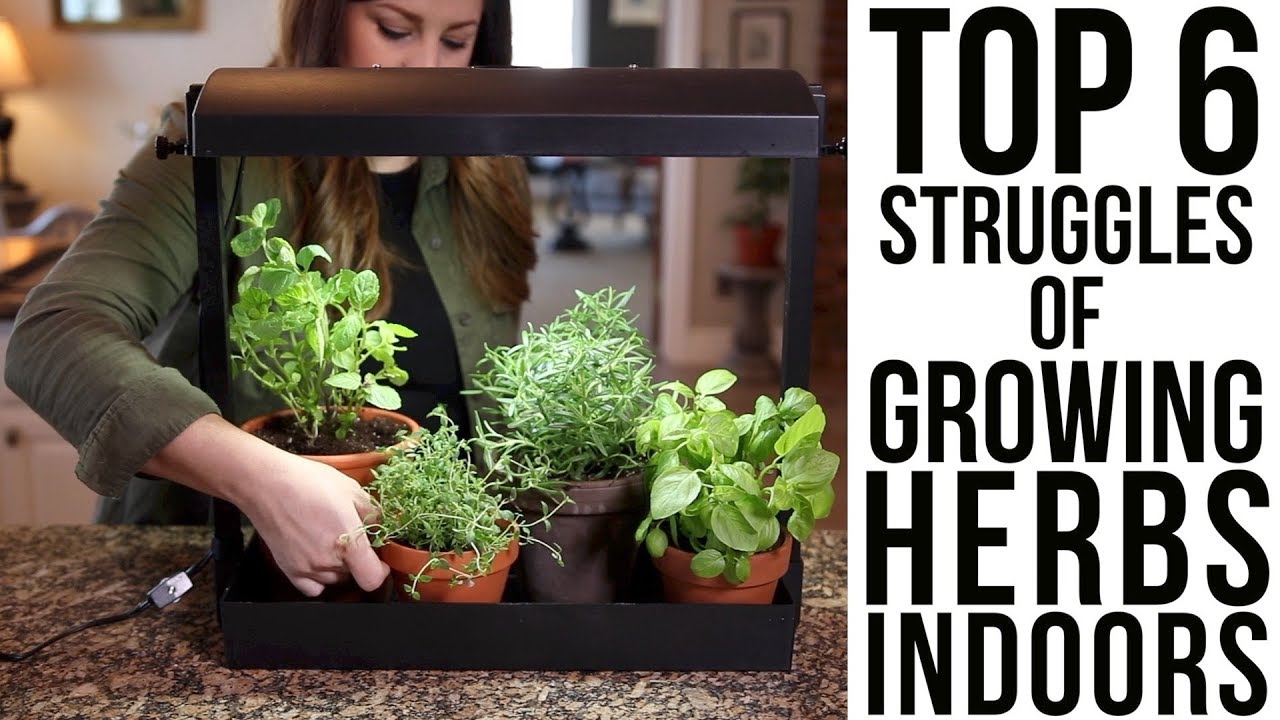
Growing herbsSuccess in growing herbs indoors means selecting the right plant and then giving it what it requires. Our Kemper Factsheet on Herbs covers selection, care, harvesting, preserving and propagation.
Insufficient lightHerbs are generally more problem-free than many plants if they are grown in good light and in a well-drained soil. However, providing enough light indoors in winter may be difficult. Herbs grown in shade will be leggy and less flavorful.
**Wet and water-logged soil**Water-logged soil can mean certain death to herbs especially in winter. Beware of overwatering, which can result in root rots. Rosemary especially will not tolerate overwatering or cold damp soil in winter. Likewise, although herbs appreciate reduced watering in winter, allowing them to become too dry will also result in death.
Lookalikes: Symptoms of overwatering can mimic those of too little water (wilting, yellowing, even plant collapse).
Softened waterDo not water herbs or other indoor plants with softened water from a water softener. The high sodium content in softened water will harm plants. Click for more information on salt injury to plants.
Dry airDry air from radiators, stoves and forced air vents can cause damage to overwintering plants. The leaves closest to the source of dry air will brown and the tips will curl. Eventually damaged sections of the leaves and often entire leaves will drop. Try to place plants in an area protected from hot drafts and where the temperature is below 70 degrees F.
Even if herbs are perfectly postioned, humidity inside homes in winter is often drier than they require. Nearly all houseplants prefer a humidity level of 50% or more. If the air is dry in your home, place the herb pots in a tray of pebbles and fill with enough water to reach just below the pebbles' surface. As the water evaporates from the tray into the air around the plants, it increases the relative humidity.
**Insects and insectlike pests**
Bringing perennial herbs indoors for winter (such as, rosemary, bay, thyme, oregano or sage) can also bring pests indoors. Examine plants carefully and spray with insecticidal soap or horticultural oil before bringing indoors.
Aphids love tender young growth. In large numbers they can cause curling of leaves. Objects below where aphids are feeding may be shiny and sticky or blackened and sticky.
Spider mitesSpider mites like hot, dry conditions. Examine plants closely, especially on the underside of leaves for these very small pests.
MealybugsThese cottony insects can be found on a number of overwintering herbs indoors. Objects below where mealybugs are feeding may be shiny and sticky or blackened and sticky. Dispose of infested plants.
WhitefliesAdults of this pest will fly when disturbed--a good sign of the pest. Also examine the underside of leaves to locate and control the larvae before they develop into adults.
Scale insectsScale can be present on rosemary or bay plants. Look for a colored bump on a leaf or stem that can be flicked off with the point of a knife or a fingernail. Objects below where scale insects are feeding may be shiny and sticky or blackened and sticky.
Fungus gnatsFungus gnats can also be common on indoor plants especially if the soil is kept too wet or pots are allowed to stand in water. In large numbers, larvae of fungus gnats can cause root damage to potted plants.