Gastric Bleeding
Gastric bleeding, also known as gastrointestinal bleeding, is a serious medical condition that involves bleeding in the stomach. This condition can range from mild to severe and can be life-threatening if not treated promptly.
Causes of Gastric Bleeding
Gastric bleeding can be caused by a variety of factors, including:
- Peptic Ulcers: These are sores that develop on the lining of the stomach, small intestine, or esophagus due to the erosion caused by stomach acid.
- Gastritis: Inflammation of the stomach lining, often caused by infections, chronic use of nonsteroidal anti-inflammatory drugs (NSAIDs), or excessive alcohol consumption.
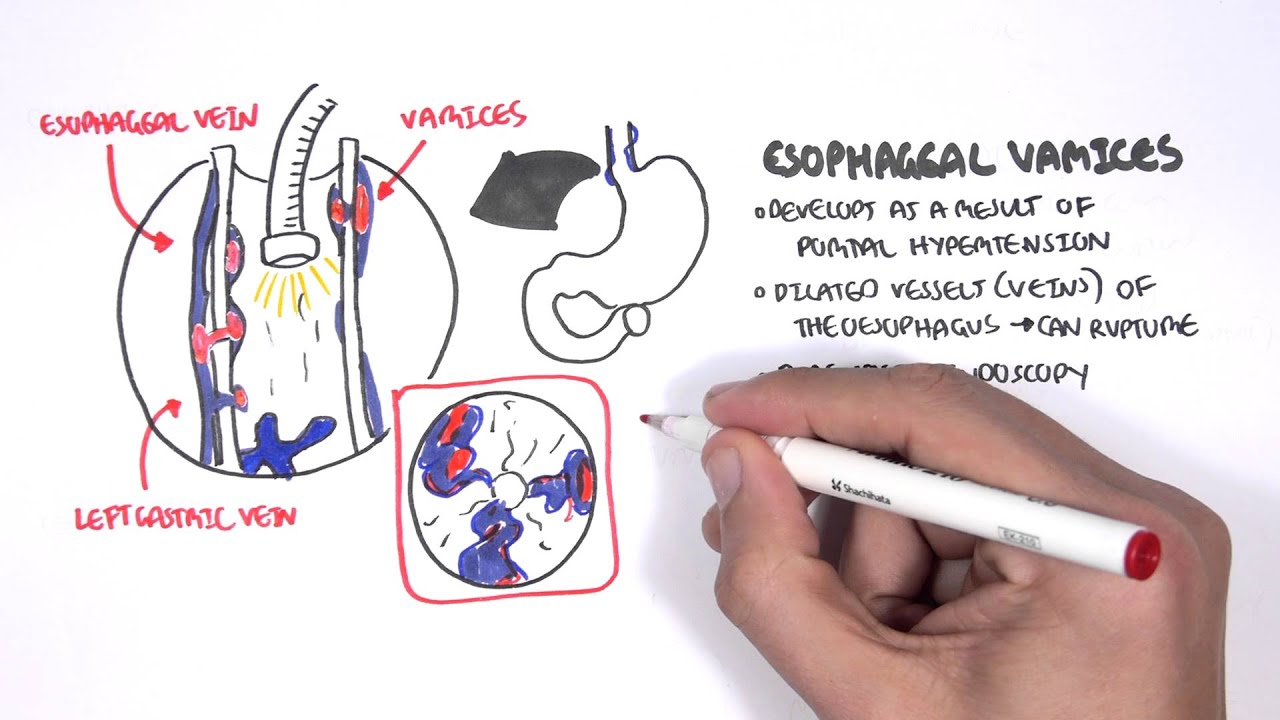
- Esophageal Varices: Swollen veins in the esophagus that can rupture and bleed, often associated with liver disease.
- Mallory-Weiss Tears: Tears in the lining of the esophagus or stomach, usually caused by severe vomiting or retching.
- Cancer: Tumors in the stomach or esophagus can cause bleeding.
- Diverticulosis: Small pouches in the digestive tract that can become inflamed or infected, leading to bleeding.
Symptoms of Gastric Bleeding
The symptoms of gastric bleeding can vary depending on the severity and location of the bleeding. Common symptoms include:
- Hematemesis: Vomiting blood, which may appear bright red or have a coffee-ground appearance.
- Melena: Black, tarry stools indicating the presence of digested blood.
- Hematochezia: Bright red blood in the stool, more common with lower gastrointestinal bleeding.
- Abdominal Pain: Pain or discomfort in the stomach area.
- Fatigue: Due to blood loss and resulting anemia.
- Dizziness or Fainting: Caused by significant blood loss and decreased blood pressure.
- Paleness: A sign of anemia due to blood loss.
Diagnosis of Gastric Bleeding
Diagnosing gastric bleeding involves several steps and tests to determine the source and severity of the bleeding. Common diagnostic methods include:
- Medical History and Physical Examination: Initial assessment to understand symptoms and potential causes.
- Blood Tests: To check for anemia and other abnormalities.
- Endoscopy: A procedure where a flexible tube with a camera is inserted through the mouth to visualize the esophagus, stomach, and small intestine.
- Colonoscopy: Similar to an endoscopy but used to examine the large intestine.
- Imaging Tests: Such as CT scans or X-rays to identify the source of bleeding.
- Stool Tests: To detect hidden blood in the stool.
Treatment Options for Gastric Bleeding
The treatment for gastric bleeding depends on the underlying cause and the severity of the bleeding. Common treatment options include:
- Medications: Proton pump inhibitors (PPIs) to reduce stomach acid, antibiotics for infections, and medications to treat underlying conditions like liver disease.
- Endoscopic Procedures: Techniques such as banding, clipping, or injecting medications directly into the bleeding site to stop the bleeding.
- Surgery: In severe cases, surgery may be required to remove the source of bleeding or repair damaged tissues.
- Blood Transfusions: To replace lost blood and stabilize the patient.
- Lifestyle Changes: Avoiding NSAIDs, reducing alcohol consumption, and managing stress to prevent recurrence.
Prevention of Gastric Bleeding
Preventing gastric bleeding involves addressing the risk factors and underlying conditions that can lead to bleeding. Some preventive measures include:
- Regular Medical Check-ups: To monitor and manage conditions like peptic ulcers, gastritis, and liver disease.
- Healthy Diet: Eating a balanced diet rich in fruits, vegetables, and whole grains to support digestive health.
- Avoiding NSAIDs: Using alternative pain relief methods or medications that are less likely to cause stomach irritation.
- Limiting Alcohol Consumption: Reducing alcohol intake to prevent gastritis and liver disease.
- Stress Management: Practicing relaxation techniques to reduce stress-related stomach issues.