Slender Copperleaf
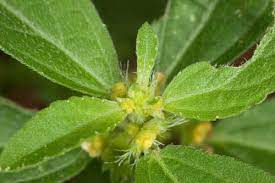
Acalypha gracilens, commonly known as slender threeseed mercury, is a plant species belonging to the Euphorbiaceae family. This plant is native to North America and is often found in a variety of habitats, including disturbed areas, woodlands, and fields.
Taxonomy and Nomenclature
The scientific classification of Acalypha gracilens is as follows:
- Kingdom: Plantae
- Clade: Angiosperms
- Clade: Eudicots
- Clade: Rosids
- Order: Malpighiales
- Family: Euphorbiaceae
- Genus: Acalypha
- Species: A. gracilens
The genus name Acalypha is derived from the Greek word "akalephes," which means "nettle," referring to the nettle-like appearance of some species in this genus. The species name gracilens means "slender," aptly describing the plant's delicate and thin structure.
Morphological Characteristics
Acalypha gracilens is an annual herb that typically grows to a height of 30-60 cm. The plant has several distinctive features:
- Stems: The stems are slender, erect, and often branched. They are usually covered with fine hairs.
- Leaves: The leaves are alternate, simple, and ovate to lanceolate in shape. They have serrated margins and are typically 2-7 cm long.
- Flowers: The plant produces small, inconspicuous flowers that are greenish in color. The flowers are unisexual, with male and female flowers occurring on the same plant (monoecious). The male flowers are found in clusters at the tips of the stems, while the female flowers are located in the leaf axils.
- Fruit: The fruit is a small, three-seeded capsule that splits open when mature to release the seeds.
Habitat and Distribution
Acalypha gracilens is native to the eastern and central United States, extending from New York and Massachusetts in the north to Florida and Texas in the south. It thrives in a variety of habitats, including:
- Disturbed areas such as roadsides, fields, and waste places
- Open woodlands and forest edges
- Meadows and prairies
The plant is highly adaptable and can grow in a range of soil types, from sandy to clayey, and in both dry and moist conditions.
Ecological Importance
Acalypha gracilens plays a significant role in its ecosystem. It provides food and habitat for various insects, including pollinators such as bees and butterflies. The plant's seeds are also a food source for birds and small mammals. Additionally, Acalypha gracilens can contribute to soil stabilization and prevent erosion in disturbed areas.
Uses and Cultural Significance
While Acalypha gracilens is not widely known for its economic or medicinal uses, it has some cultural significance. In traditional medicine, some species of the Acalypha genus have been used for their purported medicinal properties, such as treating skin conditions and respiratory ailments. However, there is limited documentation on the specific uses of Acalypha gracilens.