Hyperaldosteronism
VIDEOS:
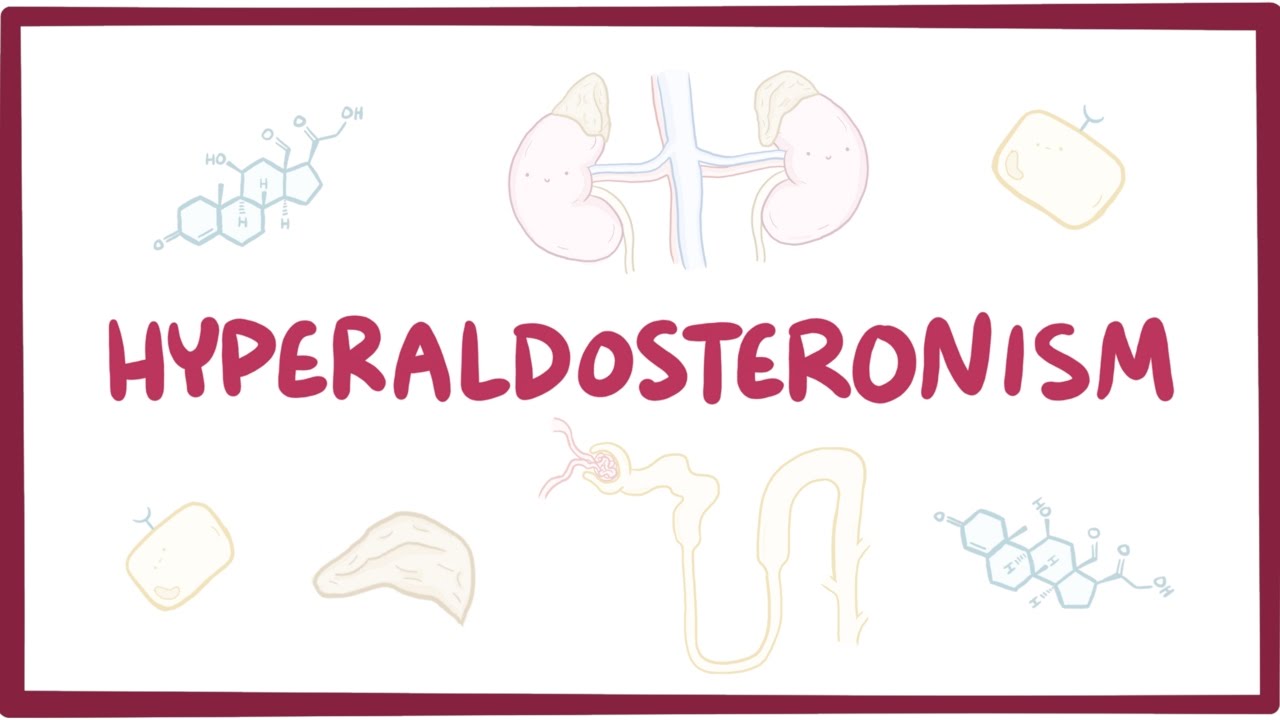
Primary Hyperaldosteronism:
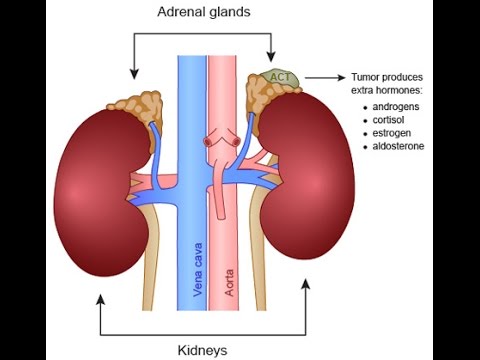
Hyperaldosteronism and Conn's Syndrome
Jonathan Williams-Primary Hyperaldosteronism From A to Z
Adrenal physiology & Hyperaldosteronism pathophysiology memory tricks I NCLEX review with Nurse Blak
Hyperaldosteronism is a condition characterized by the excessive production of the hormone aldosterone by the adrenal glands. Aldosterone plays a key role in regulating blood pressure and blood volume by influencing the balance of sodium and potassium in your body.
The Role of Aldosterone:
- When your blood pressure drops or sodium levels decrease, the adrenal glands release aldosterone.
- Aldosterone signals the kidneys to:
- Retain sodium (reabsorption) from the urine back into the bloodstream.
- Increase water reabsorption along with sodium, leading to increased blood volume.
- Excrete potassium through the urine.
How Hyperaldosteronism Develops:
There are two main types of hyperaldosteronism:
- Primary hyperaldosteronism: This is caused by a problem within the adrenal glands themselves. The most common cause is a benign (noncancerous) tumor on one adrenal gland, although bilateral hyperplasia (overgrowth) of both glands can also occur. In rare cases, it might be due to cancerous tumors.
- Secondary hyperaldosteronism: This is a more common form and arises due to an underlying condition that triggers excessive aldosterone production. Examples include:
- Severe high blood pressure (essential hypertension)
- Kidney disease
- Certain medications like diuretics
- Sleep apnea
Symptoms of Hyperaldosteronism:
Hyperaldosteronism can cause various symptoms, but they may not always be apparent, especially in mild cases. Here are some potential signs:
- High blood pressure (the most common symptom)
- Muscle weakness and cramps due to low potassium levels
- Headaches
- Difficulty breathing
- Excessive thirst and urination
- Fatigue
- Palpitations (feeling like your heart is racing)
Diagnosis of Hyperaldosteronism:
Diagnosing hyperaldosteronism often involves a combination of tests:
- Blood tests to measure electrolyte levels (sodium and potassium) and aldosterone levels.
- Urine tests to assess hormone levels and electrolyte balance.
- Imaging tests like CT scan or MRI scan to examine the adrenal glands for abnormalities.
Treatment of Hyperaldosteronism:
Treatment depends on the underlying cause:
- Primary hyperaldosteronism:
- Surgery to remove the affected adrenal gland (adrenalectomy) is often the preferred treatment for a single tumor.
- Medication for those not suitable for surgery or with bilateral hyperplasia.
- Secondary hyperaldosteronism: Treatment focuses on managing the underlying condition causing the excess aldosterone production. Medications like blood pressure medications or potassium supplements might be used.
Long-term effects:
Untreated hyperaldosteronism can lead to serious complications like heart attack, stroke, and kidney damage. Early diagnosis and proper treatment are crucial to prevent these complications and improve overall health.
Here are some additional points to consider:
- Hyperaldosteronism is more common in adults but can rarely occur in children.
- Certain lifestyle modifications like reducing salt intake and maintaining a healthy weight can be beneficial in managing hyperaldosteronism.