Arctic Dock
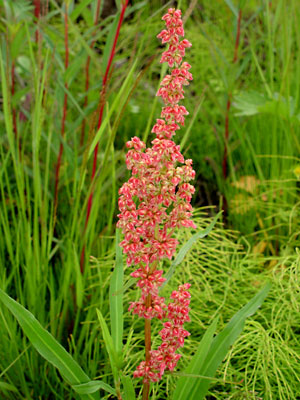
Rumex articus, commonly known as Arctic dock or Arctic sorrel, is a perennial plant that belongs to the family Polygonaceae. Native to the Arctic regions of North America and Europe, this herbaceous plant has gained attention for its unique characteristics and potential medicinal properties.
Appearance and Habitat
Arctic dock is a small plant, typically growing up to 20 centimeters in height. Its leaves are heart-shaped and have a distinct lemony flavor. The plant produces small, greenish flowers that turn into reddish-brown fruits. These fruits contain seeds that are dispersed by wind or water.
As its name suggests, Arctic dock thrives in cold environments, such as tundra and alpine regions. It is well-adapted to survive in harsh conditions, including low temperatures and nutrient-poor soils. The plant's ability to withstand extreme cold makes it a valuable resource in Arctic ecosystems.
Traditional Uses and Medicinal Properties
For centuries, Arctic dock has been utilized by indigenous communities for its medicinal properties. The plant contains various bioactive compounds, including anthraquinones, flavonoids, and tannins, which contribute to its therapeutic potential.
One of the traditional uses of Arctic dock is as a remedy for scurvy. The high vitamin C content in the leaves makes it effective in treating this deficiency disease. Indigenous peoples would consume the leaves raw or prepare them as a tea to alleviate symptoms such as fatigue, swollen gums, and joint pain.
Additionally, Arctic dock has been used to treat digestive disorders. The plant's astringent properties help relieve diarrhea, while its laxative effects can alleviate constipation. The leaves are often brewed into a tea or used as a poultice to soothe gastrointestinal discomfort.
Studies have also shown that Arctic dock possesses antimicrobial properties. Extracts from the plant have demonstrated inhibitory effects against various bacteria and fungi, making it a potential natural alternative to conventional antibiotics.
Furthermore, Arctic dock has been investigated for its antioxidant activity. The plant's high flavonoid content helps neutralize harmful free radicals in the body, reducing oxidative stress and potentially preventing chronic diseases.
Current Research and Future Potential
While Arctic dock has a long history of traditional use, scientific research on its medicinal properties is still in its early stages. However, preliminary studies have shown promising results, indicating the plant's potential as a source of novel therapeutic compounds.
Researchers are particularly interested in Arctic dock's antimicrobial properties. With the rise of antibiotic resistance, there is a need for new antimicrobial agents. The plant's ability to inhibit the growth of bacteria and fungi suggests that it could be a valuable resource in the development of new drugs.
Additionally, the antioxidant activity of Arctic dock has caught the attention of researchers studying the prevention and treatment of chronic diseases. By further exploring the plant's bioactive compounds, scientists hope to uncover new antioxidants that could contribute to improved health outcomes.