Bladdernut
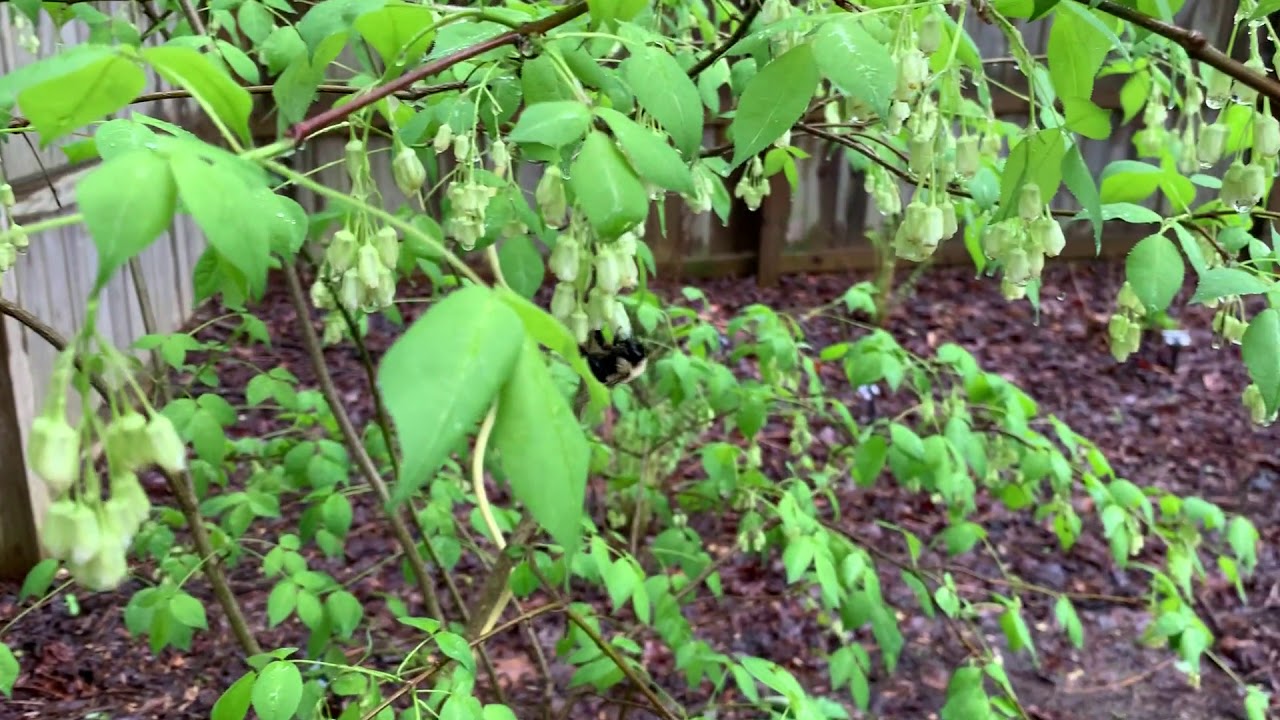

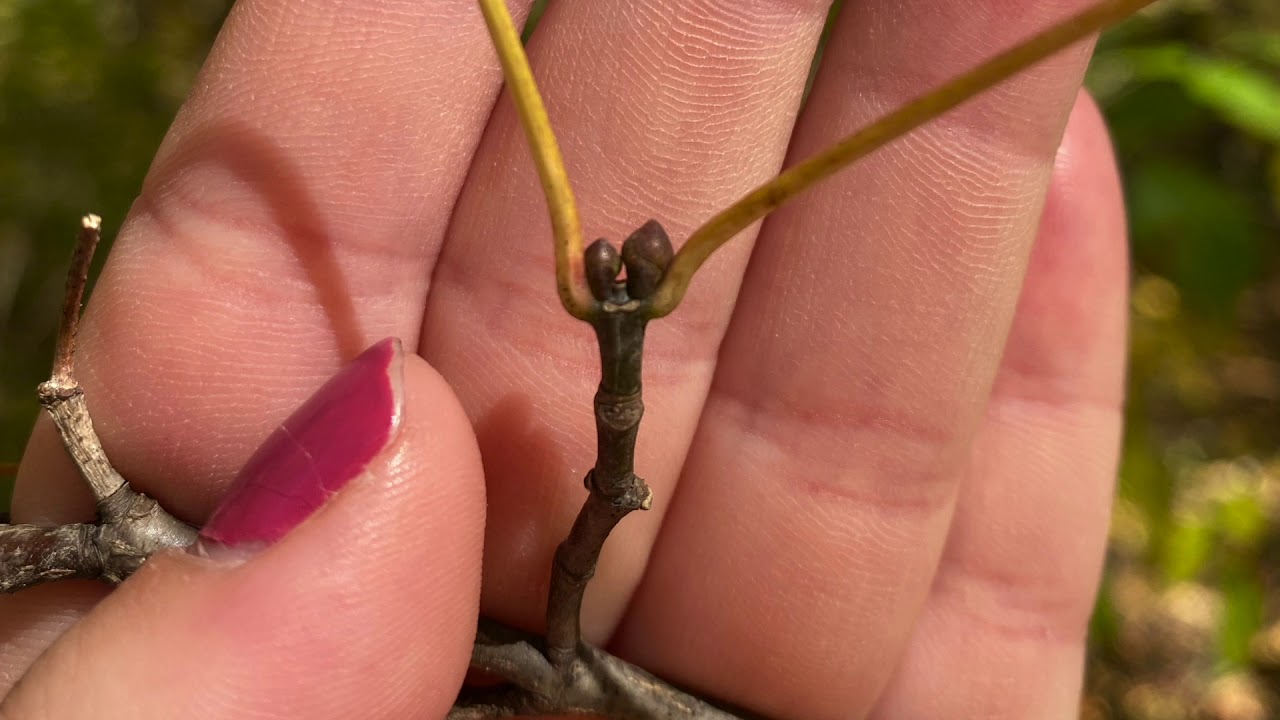
Bladdernut, scientifically known as Staphylea trifolia, is a deciduous shrub native to North America. It is part of the Staphyleaceae family and is commonly found in the eastern United States, thriving in rich, moist soils often near streams and in wooded areas. This plant is notable for its unique seed pods and attractive foliage, making it a subject of interest for botanists and gardeners alike.
- Staphylea trifolia is native to eastern North America, including Arkansas.
- It grows in rich, moist thickets, stream borders, and hardwood understories — habitats common in the Ozarks and Arkansas River Valley.
Botanical Characteristics
Appearance
Bladdernut is a multi-stemmed shrub that typically grows to a height of 10 to 15 feet, although it can occasionally reach up to 20 feet. It has a rounded, spreading form with a dense canopy. The bark is smooth and grayish-brown, often developing a slightly ridged texture as the plant matures.
Leaves
The leaves of the Bladdernut are compound and trifoliate, meaning each leaf is composed of three leaflets. These leaflets are ovate to elliptic in shape, with serrated edges and a bright green color that turns to a striking yellow in the fall. The leaves are arranged oppositely on the stems, contributing to the plant's lush appearance.
Flowers
In spring, Bladdernut produces small, bell-shaped flowers that are white to pale green. These flowers are arranged in drooping clusters, known as panicles, and are mildly fragrant. The blooming period typically occurs from April to May, depending on the climate.
Fruit
One of the most distinctive features of the Bladdernut is its fruit. After flowering, the plant develops inflated, papery seed capsules that resemble small bladders, hence the name "Bladdernut." These capsules are light green initially and mature to a brown color, persisting on the plant into the winter. Each capsule contains several seeds, which are an important food source for wildlife.
Ecological Importance
Bladdernut plays a significant role in its native ecosystem. The dense foliage provides excellent cover for birds and small mammals, while the seeds are consumed by various wildlife species, including birds and rodents. Additionally, the flowers attract pollinators such as bees and butterflies, contributing to the plant's ecological value.
Cultivation and Uses
Growing Conditions
Bladdernut is relatively easy to grow, making it a popular choice for naturalistic gardens and restoration projects. It prefers partial to full shade and thrives in moist, well-drained soils. While it can tolerate a range of soil types, it performs best in rich, loamy soils. The plant is hardy in USDA zones 4 through 8, making it suitable for a wide range of climates.
Landscaping Uses
Due to its attractive foliage and unique seed pods, Bladdernut is often used in landscaping for ornamental purposes. It can be planted as a specimen shrub or used in mixed borders and woodland gardens. Its ability to thrive in shaded areas makes it an excellent choice for underplanting beneath larger trees.
Propagation
Bladdernut can be propagated by seed or through softwood cuttings. Seeds should be collected in the fall and require a period of cold stratification to germinate successfully. Cuttings can be taken in late spring or early summer and rooted in a well-draining medium.
CULINARY USES
Staphylea trifolia (American bladdernut) has one primary edible use: its seeds, which are eaten raw or cooked, used like pistachios, can substitute for walnuts, and yield a sweet edible cooking oil.
1. Seeds — raw or cooked
- The brown, popcorn‑like seeds inside the bladder-like fruits are edible raw or cooked.
- Multiple sources note they are eaten like pistachios.
2. Nut substitute in cooking
- The seeds can be used in place of walnuts (e.g., in chocolate‑chip cookies).
- This substitution is documented across all three databases.
3. Sweet edible oil
- The seeds contain a sweet edible oil that can be pressed and used for cooking.
- This is one of the plant’s most notable traditional uses.
CHALLENGES AND CONSIDERATIONS
While Bladdernut is generally low-maintenance, there are a few considerations to keep in mind when cultivating this plant:
- Pests and Diseases: Bladdernut is relatively pest-free, but it can occasionally be affected by leaf spot diseases. Ensuring good air circulation and avoiding overhead watering can help prevent these issues.
- Invasiveness: In some areas, Bladdernut can spread aggressively, particularly in favorable growing conditions. Regular pruning and monitoring can help manage its growth and prevent it from becoming invasive.
- Pruning: Pruning is generally not necessary, but it can be done to maintain the desired shape and size. The best time to prune is in late winter or early spring before new growth begins.
Physio-Medical Therapeutics, Materia Medica and Pharmacy BY T. J. LYLE, A.M.M. 1897
The bark is a mild, soothing, stimulant and relaxant to the mucous membrane. In hot infusion it influences the circulation and soothes the nervous system. In case of gastric, alvine, urinary and generative irritation it soothes and gently stimulates.
The Physiomedical Dispensatory by William Cook, M.D., 1869
A sub-order in the same Family with the maples, horse-chestnut, and buck- eye. Upright and handsome shrubs from six to ten feet high, with greenish and striped branches. Leaves opposite, of three oval leaflets, pointed, serrate, pale beneath. Flowers perfect, regular, in short and drooping racemed clusters at the end of the branches. Calyx and corolla both white or yellowish-white, five-parted throughout, petals on a thick ridge which lines the disk of the calyx. Fruit a large, membranous pod, inflated, three-lobed, three-celled, looking bladdery, (and not watery, as in ptelea,) and containing from one to four long seeds in each cell.
Properties and Uses: The bark of this plant, especially that from the root, is a pleasant bitter tonic, of the soothing order, relaxant and but moderately stimulant, and acting on the nervous system as well as the stomach. It increases appetite and digestion moderately well, sustains the uterine structures to good advantage, and is of value in feebleness of the stomach, mild prolapsus, and hysteria. The stomach receives it well, and is not irritated by it. Dose, a fluid ounce of infusion made by digesting an ounce of the bark in eight ounces of water.