Carqueja
Constituents
Genista tridentata, is a plant species belonging to the Fabaceae family. This perennial shrub is native to the Iberian Peninsula and parts of North Africa, where it thrives in a variety of habitats, including rocky slopes, open woodlands, and scrublands.
Botanical Description
Genista tridentata is a small, deciduous shrub that typically grows to a height of 30-60 cm. The plant is characterized by its slender, green stems that are often covered with fine hairs. The leaves are trifoliate, meaning they are divided into three leaflets, which is a distinctive feature of this species. Each leaflet is small, narrow, and has a pointed tip, giving the plant its "tridentata" name, which means "three-toothed."
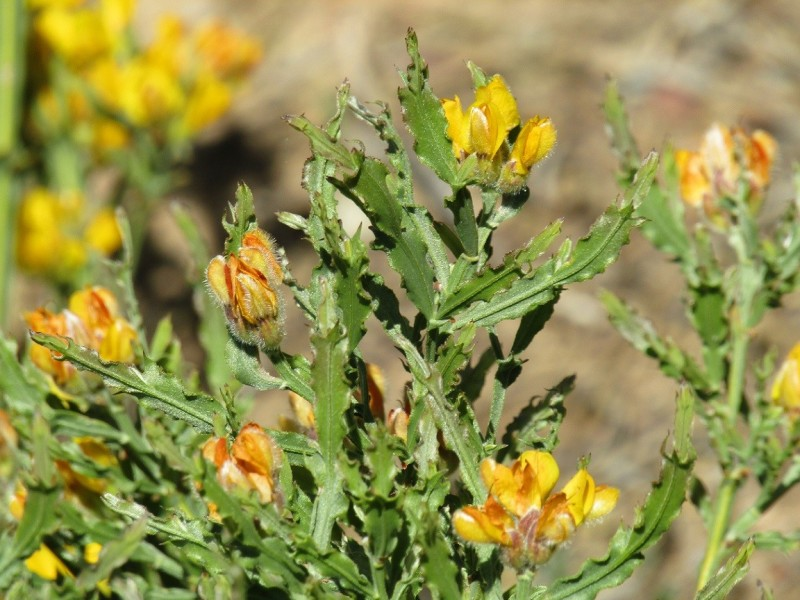
The flowers of Genista tridentata are bright yellow and pea-like, typical of the Fabaceae family. They bloom in clusters from late spring to early summer, attracting a variety of pollinators, including bees and butterflies. The fruit is a small, elongated pod that contains several seeds, which are dispersed by wind and animals.
Habitat and Distribution
Genista tridentata is primarily found in the western Mediterranean region, with a significant presence in Spain, Portugal, and Morocco. It prefers well-drained, sandy or rocky soils and is often found in areas with a Mediterranean climate, characterized by hot, dry summers and mild, wet winters. The plant is well-adapted to survive in harsh conditions, including poor soil and drought, making it a resilient species in its native habitat.
Ecological Importance
This shrub plays a crucial role in its ecosystem. As a member of the Fabaceae family, Genista tridentata is capable of nitrogen fixation, a process that converts atmospheric nitrogen into a form that plants can use. This ability enriches the soil with essential nutrients, promoting the growth of other plant species and contributing to the overall health of the ecosystem.
Additionally, Genista tridentata provides food and habitat for various wildlife. Its flowers are a valuable nectar source for pollinators, while the dense foliage offers shelter for small animals and insects. The plant's ability to thrive in poor soil conditions also helps prevent soil erosion, stabilizing the landscape and maintaining the integrity of the habitat.
Cultivation and Uses
While Genista tridentata is not commonly cultivated for ornamental purposes, it can be grown in gardens and landscapes that mimic its natural habitat. It is particularly suited for rock gardens, xeriscaping, and areas with poor, well-drained soils. The plant requires minimal maintenance once established, making it an excellent choice for low-water gardens.
In traditional medicine, various parts of Genista tridentata have been used for their purported medicinal properties. The plant has been employed in folk remedies to treat ailments such as skin conditions, respiratory issues, and digestive problems. However, it is important to note that scientific research on the medicinal uses of Genista tridentata is limited, and its efficacy and safety have not been thoroughly validated.